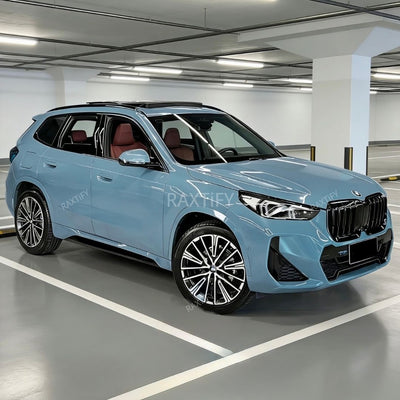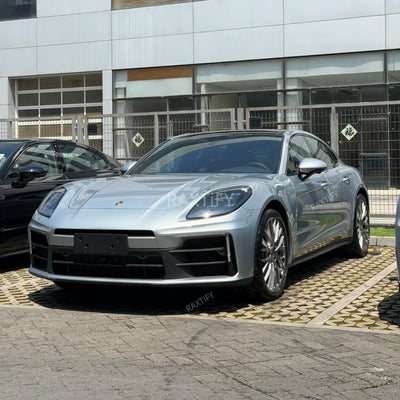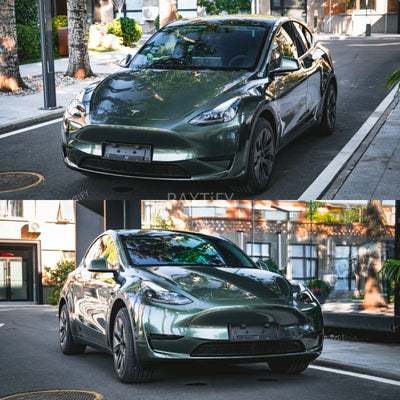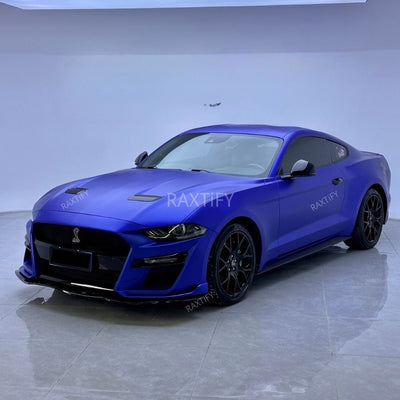


What Is 35 Percent Window Tint?
The 35 percent window tint is where a window film Viewable Light Transmission (VLT) is 35 percent, and thus the film admits 35 percent of light through the glass and excludes the rest 65 percent.
To put it in simple terms the lower the VLT number, the darker the tint. The middle of the spectrum has a 35 percent tint, and it provides a compromise in terms of visibility, heat reduction, and privacy.
Based on real-world driving experience, a 35 percent window tint is sufficiently dark to be seen as significantly lowering glare and interior brightness on daytime but is not so dark as to be compared to darker tints, such as 20 percent tint.
This balance is what makes 35 percent window tint popular. It gives a clean slightly shaded look outside without darkening the windows too much and restricting the view of the night. To a number of the drivers, it provides the required privacy although at the same time they feel comfortable and are practical enough to drive during the day.
Due to the balance, 35% tint is frequently selected by drivers who do not want to lose the sophisticated appearance and practicality at the cost of safety and visibility.
What Does 35% Window Tint Look Like in Real Life?
There is general consensus that a 35-percent tint on the window is the sweet spot between transparency and an unobtrusive privacy. In actual road use, it makes the glass a little darker, but does not give the interior a claustrophobic or too low-key appearance. The difference is immediately detected by most drivers, but it does not seem extreme.
35% Tint in Daylight
The 35% window tint is clear and harmonized during the day. Externally, it provides the car with a sophisticated appearance that is lightly smoked instead of a dark or blacked-out appearance. The interior of the car looks out through clear natural visibility.
In practical terms:
- There are no problems with road signs, traffic lights, and pedestrians.
- The color has a significant effect of dimming the brightness of direct sunlight.
- The cabin is more comfortable and cooler, particularly during the bright days.
The interior colour also contributes to this. Cars with dark or black interiors will not be seen as bright as those with light or beige interiors and darker, the light interiors will see more light into the cabin through the glass and overall the tint will look lighter.

35% Tint at Night
During the night, 35 percent window tint is also suitable to most drivers. Its non-limiting characteristic, as opposed to darker levels of tint, will not pose a serious limitation to vision particularly in bright cities or suburbs.
Experience in real driving:
- Streetlights, Headlights and road signs are all visible.
- Even side mirrors do not require any effort to see.
- Little adjustment is required in going to untinted glass.
The visibility, however, may be slightly diminished in dim roads or in highways in the country, especially among drivers who are not accustomed to tinted windows. This effect is enhanced more when a dark interior is used because the less light is reflected back into the cabin.
Does Night Driving Change with 35% Tint A?
To the average commuter, the range of 35 percent window tint is safe and comfortable when driving at night. It provides a slight decrease in brightness without going into the too dark category which may lead to hesitation or eye fatigue.
Drivers with a high percentage of travelling on unlit roads would want to use a lighter tint whereas drivers with a high percentage of driving in towns and suburbs would find the 35 percent to be a perfect balance between comfort and visibility.
Is 35 Percent Window Tint Legal?
Whether 35 percent window tint is legal or not, is determined by the location you are living in and the nature of the windows being tinted. In the United States, window tint laws are not enforced on a federal basis, but on a state one; this implies that legal limits may differ considerably according to state.
One state may allow a tint level that is not allowed or even banning in another state, particularly with front facing windows. Due to these differences, one should know how 35 percent tint should be applied to various sections of the car.
Front Side Windows
In most states, the tint policies of the front side windows are the strictest. Most states permit windows on front side to have a tint of 35 low with others placing higher visible light transmission (VLT) like 40-50.
Even in states where 35% is permitted, enforcement can depend on:
- The percentage of tint that contains factory glass.
- The calibration of tint meters when checking inspection or traffic stops.
- Other types of exemptions, e.g. medical exemptions.
Since front side windows have a direct impact on the visibility of the driver and the safety of the officer, such windows are most often checked during the inspections and road stops.
Rear Side Windows and Rear Windshield.
Whereas on the rear side, windows are mostly relaxed in regulations than on the front side. Most of the states permit 35 percent tints on these rear-facing windows-or tints even darker.
Nevertheless, any of the following requirements can still be in effect:
- Compulsory use of side mirrors in case of reduced rear view.
- Prohibitions on reflective or mirror films.
- Regulations of rear windshield tint below or above the AS-1 line.
Although rear windows are usually more flexible, they are not entirely uncontrolled.
A Quick Legal Reminder
Since the rules governing the tinting of windows in each state are dynamic and depend on the state, the best strategy is to check the guidelines set by the DMV or the state traffic authority before tinting your windows.
This is information that is general and may not be called a legal advice. Checking of local laws assists in making sure that your car is up to date and does not get fined or checked in an inconvenient manner.
35% Window Tint vs Other Tint Levels
The thing with using the correct window tint is not the darkness of the tint, but visibility, legality, comfort, and everyday usability. The following is the comparison between 35% window tint and two of the most popular window tints in the U.S. which include 50% and 20%.
35% vs 50% Window Tint
One of the lightest tints that are often applied to the car windows is 50% that does not change the visual image much, but helps to minimize glare and UV exposure.

Key differences:
- Visibility: 50 per cent is quite evident particularly in the night.
- Appearance: 35% appears darker and more precise on the outside.
- Privacy: 35% will offer a bit more privacy without being too dim.
- Legality: 50% is lawful in a greater number of states and is less prone to raise concerns.
Who should choose which?
To have almost stock look and as much visibility as possible, 50 percent can be a better choice. 35 percent is a better compromise, should you want to add some minor stylistic and comfort without losing the ability to be seen at night.
35% vs 15% Window Tint
The tint of 15% is much darker and is mostly preferred due to its bright appearance and higher level of privacy.

Key differences:
- Visibility: 35% has a far superior night visibility.
- Appearance: 20% appears darker and more violent.
- Privacy: 15% has significantly more privacy.
- Attention: The higher the concentration of attention, the higher it is expected to gain attention in stricter states.
Who should choose which?
At 15 per cent, you might be tempted to buy it should privacy and a darker style be on your list of the most important. But in the case of ordinary drivers who place value on visibility, comfort, and the need to be on the right side of the law 35% tends to be a more realistic option.
Quick Decision Guide
- Select 50 percent, in case you wish to have optimum clarity and a safe margin.
- Select 35 percent in case you desire the most optimal style, visibility and comfort.
- Select 15% when you are more concerned with privacy and being noticed.
Is 35 Percent Window Tint Good for Daily Driving?
Among most drivers, 35 percent window tint is one of the most moderate ones to use on a daily basis. It provides a pronounced ability to reduce glare and heat but does not cause a significant drop in visibility or unwanted attention.
According to the conditions of real-life driving, here is the performance of 35 percent tint in real-life conditions.
Commuting in Day-to-Day Traffic
35% window tint is a nice change to a comfortable middle-ground in terms of daily commute. It cuts the glare of the intense sunlight at morning and afternoon rush time yet maintains sufficient clearance at crossroads, footways and small and narrow parking lots.
Drivers who have to spend hours on the road often discover that the 35 percent tint makes the cabin not too dark, although when combined with a light or neutral interior, it suffices to reduce eye strain.
Highway and Long-Distance Driving
Thirty five percent tint is suitable on the highway during the bright daylight and cloudy condition. It reduces glare on open roads and bouncy surfaces as well as preserving clarity at the sides at an increased speed.
Most drivers also claim that they have no or very little adjustment time during night driving. The road signs, mirrors and the traffic around are well visible particularly during lane change and merging.
City Driving vs. Suburban or Rural Roads
In urban settings, where visibility and frequent stops are the most important, 35 per cent of tint is a reasonable compromise. It does not seem too dark when walking along the crowded streets, parking lots or shadowy urban spaces.
In suburban and rural areas, where the lighting situation may vary rapidly, 35% tint adapts easily, and does not provoke the sudden appearance of problems with visibility in low light situations or during dusk.
Will 35% Window Tint Attract Police Attention?
Another major benefit of using 35% window tint is that generally it appears natural and subtle. It is not as probable to attract attention on regular stops as compared to the darker tint levels.
With that being said, the window tint laws depend on state especially with the front side windows. Although in most places 35% is legal, it is always better to check the local laws to prevent possible problems.
Bottom Line for Daily Driving
When it comes to commuting, highway usage, and driving in other mixed-use conditions, and you want a tint that does not feel limiting or unsafe, 35 percent window tint is an excellent everyday driving option. It is not only comfortable, easy to use and provides peace of mind, but it is also one of the most popular levels of tints on ordinary vehicles.
Benefits of 35 Percent Window Tint
The reason why 35 percent window tint is usually selected is that it is a practical tint that is comfortable and appealing at the same time. It is not the darkest one among the existing options, but it has some real-life advantages, which various drivers can observe in their daily lives.
Reduced Glare
Among the most apparent advantages of 35 percent window tint, it is possible to note decreased glare, particularly when driving during the day. It also assists in diffusing the intense sunshine and refraction by the other vehicles around, which would otherwise cause exhaustion during a long ride. Although it will not remove glare completely, it does give a visible difference as compared to untinted glass.
Improved Driving Comfort
Partially reducing the entry of sunlight in the cabin can reduce the interior to 35 percent tint, which is more comfortable in daylight or hot weather. This is an average degree of tint that ensures that the driver does not strain his eyes excessively and does not make the cabin to look dark or claustrophobic; this is the reason why most drivers consider it as the perfect tint to use during daily commutes.
Interior Protection
With time, unprotected interior surfaces may fade and age due to the constant sun exposure like seats, dashboards and trim. The 35% window tint provides minimum protection as the sunlight in the direct line of view to the car is cut. Although it is not a full protection against UV radiation, it may also be used to prevent the degradation of interiors when combined with the regular care.
Balanced Appearance
Externally, 35 percent window tint produces a clean true look, which matches with most of the vehicle designs. It provides a certain degree of privacy without creating too much attention and thus is often used by the drivers who do not want to have a darkened look but have a sleek one instead.
Downsides of 35 Percent Window Tint
Although 35 percent window tint has a more balanced appearance and good visibility, it is not the best option to be used by all drivers. It is also crucial to know the limitations of it as much as the benefits are.
Less Privacy Than Darker Tints
Privacy is one of the largest trade-offs of 35% window tint. A tint of 35 percent is less opaque than a darker tint, such as 20 percent or 15 percent, and allows more light to go through the interior, which is easier to see, particularly during the day.
Even at the exterior of the car, the figures, seats, and activity inside the cabin can be seen in daylight. In case the ultimate level of privacy is what you care about the most, 35% might be too low.
Night Driving Still Requires Adjustment
Whereas 35 per cent tint is mostly regarded as night-driving effective, even that still filters out visible light as opposed to untinted glass. These drivers who regularly use the dark or highway roads that have low lighting can have a brief adjustment period, mainly during a time they need to have a look at their side mirror or make a reverse in the dark.
This occurs more when the car lacks powerful factory headlights or rear lights.
Not Ideal for an “All-Black” Look
To achieve the look of complete black, 35 percent is not going to be sufficient. It produces a clean and refined appearance as opposed to dramatic appearance.
Aesthetically, 35 would be the most suitable to the driver who desires to give the car a high profile but will not attract a lot of attention. Individuals seeking bold, high-contrast or highly tinted style tend to use lower percentages of tints.
Perceived Heat Reduction Can Be Misleading
Others demand 35 percent tint to prevent heat penetration as well as darker films. As a matter of fact, the rejection of heat is influenced by both the quality and technology of the films rather than just darkness.
With no elaborate technology in ceramic or infrared, an average 35% film might not provide the amount of heat reduction that some drivers might desire.
Final Consideration
50 percent tinting on the windows is commonly said to be a safe ground, but it is not so universal. In case you are more interested in the high level of privacy, dramatic styles, extreme heat repelling, and you have no desire to buy the upgraded film technology, you might have to think of other tinting options.
How Much Does 35 Percent Window Tint Cost?
Installation of 35 percent window tint can be priced based on the type of the film you opt to install, size of your car and the professionalism of the installer. The average cost paid by the majority of drivers in the U.S is between a couple of hundred dollars and more than a thousand, depending on the quality of materials used and the way it was installed.
Material Cost
The cost of the 35 percent window tint film is highly dependent on the technology applied in the films.
The cheapest would be basic dyed or metalized window tint films. Also more expensive films, which include carbon or ceramic window tint, are more expensive because of better heat rejection, UV shielding and long term color stability.
Overall, the cost of materials to make 35% window tint is between the cheap entry-level products and the high-quality ceramic tints, with the latter being on the higher end of the line.
Installation Cost
The installation of a professionally installed item depends on the type of vehicle and complexity of the windows. Sedans tend to be at the cheaper side, whereas SUVs, trucks and cars that have big rear windows or curved glass need more work and time.
Professionally installed 35 percent tint on windows is likely to increase the overall price by a few hundred dollars. Even though DIY kits might save on initial costs, installations by professionals might provide superior longevity, clean edges, and minimal visual flaws.
Why This Price Range Makes Sense
The 35% tint in windows is in a happy medium, neither very dark nor very heavy, but gives moderate glare and heat reduction. Due to this balance, it is often represented in various types of films and different price levels and provides drivers with the option to choose depending on the level of performance and their financial ability.
Who Should Choose 35 Percent Window Tint?
Selecting the appropriate tint of your windows is not merely a matter of the darkness shade of the tint but rather about how you drive, where you stay, and what you anticipate of your automobile. The tint of the window is 35 percent, and it is a convenient color in the middle of the spectrum, so the tint will suit most drivers but not everybody.
Drivers Who Will Love 35% Tint
A 35 percent tint on the windows is a great option given that the drivers need a moderate everyday friendly status instead of an extreme appearance.
You probably will like 35% tint when you:
- Desire a reduction of glare that is visible.
- Loves driving at night and desires clear and confident views.
- Reside in a place with midday to high sunlight but with strict tint laws.
- Like a clean, factory-plus look better than a deeply tinted one.
- Drive your car as a daily or long-range car.
Based on practical driving experience, 35 per cent tint provides the necessary amount of shading to enhance comfort and at the same time is easy to live with in any lighting situation.
Drivers Who Should Consider Other Options
Although 35% tint is acceptable to most drivers, it is not the best option to all.
You might also desire to use other intermediary levels of the tint in case you:
- Desire the greatest degree of privacy or more distinctly dark.
- Always park in the sun and heat rejection should be at the top of the list.
- More aggressive or blacked-out exterior style preferred.
- Drive at night seldom and don’t mind low visibility.
In such situations, darker color choices could suit your priorities more coherently, however, they tend to be accompanied by compromises involving legal regulations and the ability to see at night.
Is 35 Percent Window Tint the Right Balance for You?
To most owners of vehicles, the level of 35% window tint is the compromise between comfort, safety and compliance. It is more comfortable to drive than the other tints, and does not attract attention or affect visibility, and this is the reason why it is the tint most often used masked on cars used in everyday driving.
It all depends on what you do with your car and what is the most important to you such as privacy, appearance or the overall usability of the car and that is the right choice.
Is 35 Percent Window Tint Worth It?
To most drivers, window tint of 35 percent is the golden mean between looks, comfort, and legality--yet it is a question of if it is worth it, depending upon what is the most important to you in your day to day driving.
When you want a tint that lowers glare, increases cabin comfort, adds a low profile, elegant appearance without adding or removing much visibility, then a 35 percent tint can be a sensible option. It offers good sun protection, which is easily noticeable, without being too heavy to allow driving the car confidently at night, and that is why it is widely used in cars that are driven on a daily basis.
In a practical aspect, tints of 35 percent are also likely to be one of the most versatile tints. It is dark enough to provide some privacy, but not too dark as to create an overly dark look that would be attractive to those who would be interested in the dark spaces. This balance is a significant advantage to drivers who have to commute regularly, drive in urban areas, or share their vehicle with other people.
With that said 35% window tint will not be worth it to everyone. Darker levels of tints might be more fulfilling in case your main purpose is to achieve maximum privacy or dramatic, blacked-out appearance. Conversely, when extreme visibility or a high frequency of traveling in dark places at night is a priority, a lighter shade might be preferred.
Ultimately, it is worthwhile to the 35 percent window tint because it provides drivers with a balanced everyday remedy even one which adds to the comfort and looks without causing new compromises. It is not the most daring choice, yet it is the most sensible one to many people.
FAQ About 35 Percent Window Tint
Is 35% tint dark enough?
For many drivers, yes. A 35 percent tint in windows gives a glare and heat reduction which is noticeable but still does not restrict the visibility much. It is thought to be the best compromise in terms of looks and functionality and is particularly applicable to daily-driven cars.
That being said, lower VLT settings such as 20% could be more rewarding in terms of the maximum privacy or darker, more aggressive appearance.
Can you see clearly at night with 35% tint?
Yes, in the conditions that exist in the real world of driving. A tint of 35% is usually good at night especially when used with the current headlights and street lamps.
It is much easier to adapt to at night than a darker shade with 35 being an extremely popular color, and is favored by drivers who often drive after sunset or in cities.
Will 35% tint pass inspection?
A 35% window tint might pass inspection in most states, however this is determined by the laws in that area of window tinting and which windows are being tinted.
Certain states permit 35 percent on the frontside windows and others demand a greater VLT. Back windows are not as limited. Tint laws differ with each state, so it is always a good idea to verify your local DMV or inspection requirements prior to installation.
Is 35% tint noticeable to police?
As a rule, the 35 percent tint is not very noticeable as opposed to darker tints such as 20 percent and 5 percent. It seems to be rather inconspicuous and even enables one to see into the car in most light conditions.
Nevertheless, implementation practices depend on the location, and none of the tints is entirely safe when it is out of local regulations. The best option is to remain in the area of the law to prevent such fruitless troubles.
Final Thoughts on 35 Percent Window Tint
The most common and perhaps a reasonable tint is 35 percent which is thought to be moderate and practical among the drivers who desire comfort and a nicer appearance without going overboard. It provides high level of glare and heat suppression and remains visually excellent during the day time and night driving.
With that said, the level of the right tint, though, will always be determined by the way you use your vehicle. The daily commuters and highway drivers as well as those who drive mostly at night are likely to enjoy the visibility that 35% offers particularly when contrasting with darker ones.
Local window tint laws can differentiate dramatically across the states, as well as even window placements before final decision is made. The lighting conditions, your driving environment, and even your taste should also contribute to the answer to the question of whether 35 percent window tint is the most suitable one to apply in your vehicle.
Concisely, 35 percent window tint is a good and strong choice in case you need a look that is not flashy, convenient, and legal.