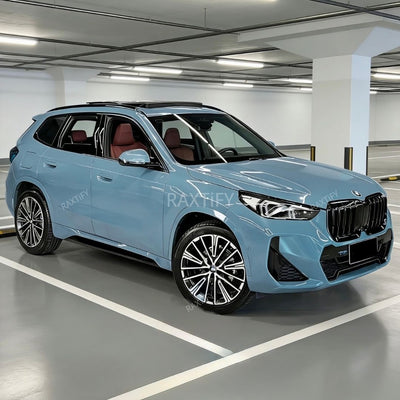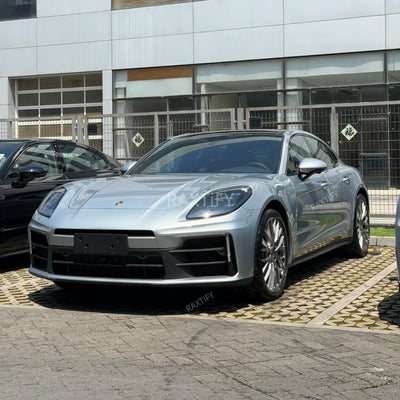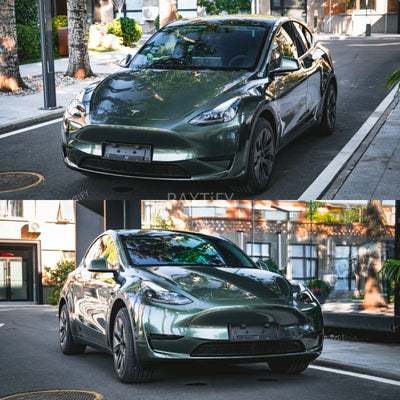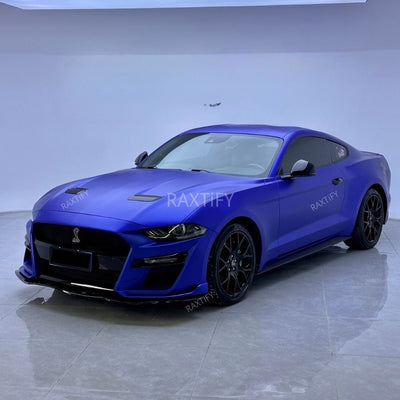

When you decide it’s time to transform your vehicle’s look, the choice between CAR WRAPPING VS. CAR PAINTING can feel overwhelming. You want something that fits your budget, matches your style, and protects your investment—without wasting time or compromising quality. Whether you're after a fresh color, a bold finish, or a way to preserve your factory paint, understanding the real differences between wrapping and painting helps you choose what truly fits your needs.
This guide breaks down the essentials so you can confidently pick the option that works best for your lifestyle and your car.
Category Car Wrapping Car Painting
| Cost | $2,000–$4,500 (premium finishes up to $6,500) | $3,000–$7,000 (custom paint up to $20,000+) |
| Installation Time | 2–4 days | 7–21 days |
| Color & Finish Options | Thousands of gloss, matte, metallic, chrome, satin, color-shift finishes | Limited OEM colors; custom colors very expensive |
| Lifespan | 3–7 years depending on vinyl quality | 5–10 years (factory quality lasts longer) |
| Protection | Protects factory paint from chips, UV and scratches | Paint itself is exposed; needs waxing & polishing |
| Maintenance | Simple wash with soap & water | Requires waxing, polishing, paint correction |
| Repairability | Easy—replace only affected panel | Hard—color-matching required; expensive repairs |
| Resale Value Impact | Preserves original paint; increases resale value | Repaint may lower resale value; buyers suspect accidents |
| Removability | Fully removable without damage | Permanent; removal requires sanding/repainting |
| Environmental Impact | Minimal chemicals, no VOCs | Uses solvents, chemicals, VOC emissions |
| Best For | Style, protection, lower cost, reversible changes | Permanent color change, classic car restoration |
What Is Car Wrapping?
Car wrapping is a customization and protective method that uses PVC or TPU vinyl film to cover the exterior of your vehicle. Instead of altering the original paint, a wrap is installed directly on top of it, creating a new color or finish without permanently changing the surface.
A modern vinyl wrap gives your car an entirely new look using finishes such as:
-
Gloss and High-Gloss (similar to fresh paint)
-
Matte or Satin (smooth, non-reflective style)
-
Metallic (depth with metallic flakes)
-
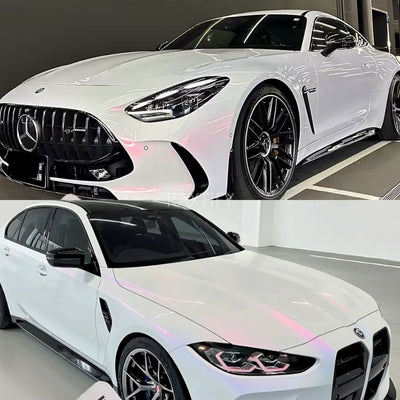
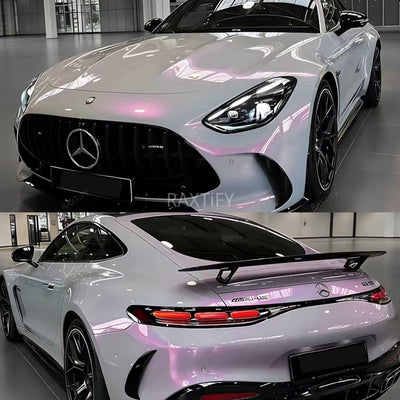
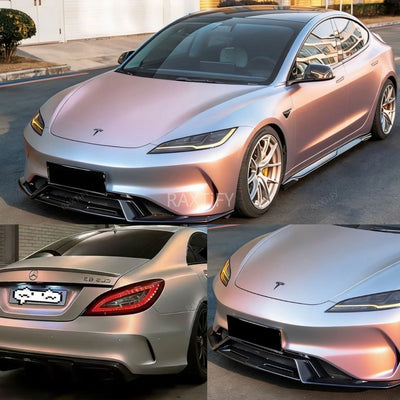
Color Shift / Chameleon (changes color depending on light)
-
Chrome & Mirror Chrome (high-reflective shine)
-
Laser & Holographic (rainbow-like sparkle)
-
Textured finishes like carbon fiber, brushed metal, forged carbon, camouflage, etc.


Because installation does not require sanding or spraying, wrapping is quick, reversible, and safe for your vehicle’s value. Many car owners choose wraps not only for style but also for paint preservation, as the vinyl acts as a shield against scratches, chemicals, and UV damage.
What Is Car Painting?
Car painting is a permanent refinish process that removes or covers your car’s original paint using automotive-grade materials. It is the traditional method for changing a vehicle’s color and requires multiple steps to ensure durability and a factory-like finish.
Custom or premium paints (candy, matte, metallic, chameleon) require more layers and higher-quality materials, contributing to the cost.
Unlike wrapping, car painting is non-reversible, permanently replacing the previous color. While high-end paint jobs can look stunning, cheaper or rushed paint jobs may result in uneven texture, orange peel, overspray, or poor color matching.
Cost Comparison: Wrapping vs. Painting
When you compare car wrapping and car painting, cost is often the first thing you’ll look at, and the difference between the two is much larger than most people expect. A standard automotive paint job usually starts around $3,000–$7,000, and if you want a higher-end or custom color, the price quickly rises into the $10,000–$20,000+ range. Premium, multi-layer show-quality paint can even pass $30,000, mostly because of the labor and prep work involved.
In contrast, a full vinyl wrap typically costs $2,000–$4,500 for standard finishes and $4,000–$6,500 for premium options like chrome or color-shift. If you prefer to take on the project yourself, a full roll of quality wrap generally falls between $600–$900. When you look at the numbers side by side, you’ll find that wrapping your car can be 50–70% more affordable than a comparable paint job—all while giving you the flexibility to change your car’s look again later without spending a fortune.
How Much Does a Car Paint Job Cost?
A professional paint job varies widely depending on quality, prep work, and color type.
-
Standard paint job: $3,000–$7,000
(Basic finish, usually single-stage paint) -
High-end or custom paint: $10,000–$20,000+
(Better prep, multiple layers, custom colors) -
Show-quality multi-layer paint: $30,000 and up
(Often used for restored classics or high-end builds)
How Much Does a Vinyl Wrap Cost?
Vinyl wrapping offers more pricing flexibility depending on finish type and whether you choose DIY or professional installation.
-
Standard vinyl wrap: $2,000–$4,500
(Gloss, matte, satin, or solid colors) -
Premium finishes: $4,000–$6,500
(Chrome, color-shift, brushed, iridescent, laser) -
DIY wrap rolls: $600–$900
(You buy the material and install it yourself)
Wrap installations require less labor and no curing time, making them far more affordable while still achieving a high-quality finish.
Installation Time
When you compare installation time, the difference between painting and wrapping is huge. A full repaint usually takes 7 to 21 days, because your car needs to be sanded, prepped, sprayed, and cured between each layer. During this time, you won’t be able to drive it at all. A vinyl wrap, on the other hand, is typically finished in 2 to 4 days, since it doesn’t require chemical curing or multi-stage drying. If you rely on your car every day, you'll find wrapping far more convenient—you get a fresh new look without the long downtime of a traditional paint job.
Color & Finish Options
When it comes to color and finish, the difference between painting and wrapping is huge. With paint, you’re mostly limited to OEM-style shades unless you’re willing to pay a high price for custom work or special finishes like chrome, satin, or candy—those can get extremely expensive.
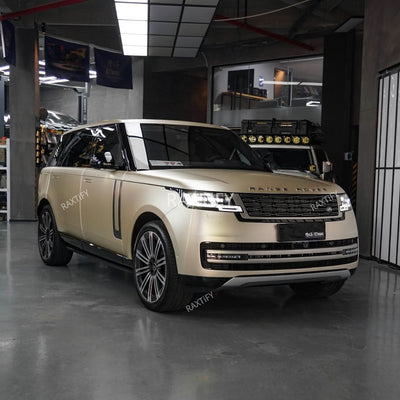
A vinyl wrap, on the other hand, opens up an entirely different world. You get access to thousands of colors and textures, from gloss and matte to chrome, brushed metal, carbon fiber, color-shift, and more. It also gives you the freedom to experiment, because you can change the style whenever you feel like it without committing to anything permanent. Wrap brands like RAXTiFY even release new colors frequently, so you can follow trends and refresh your car’s look whenever you want. If expressing your personality matters, vinyl wrapping makes it much easier to achieve the exact look you have in mind.
Durability & Lifespan
When you compare durability, the biggest difference comes down to permanence. Your factory paint is designed to last well over 10 years, and even a high-quality repaint can hold up for 5–10 years if the prep work is done correctly. But keep in mind—paint is sensitive to UV exposure, weather, and poor maintenance. If the shop uses lower-quality materials, you may start seeing fading or oxidation much sooner.
Vinyl wraps don’t last quite as long, but they offer reliable protection for several years. A standard PVC wrap usually lasts around 2-3 years, while premium films can stay in great shape for 5–7 years with normal care. If long-term protection is your top priority, paint protection film (PPF) can last 8–12 years and shields your car from chips, scratches, and UV damage. Even though wraps aren’t permanent, you get durability plus the flexibility to change the look whenever you want.
Protection & Maintenance
When it comes to long-term protection, traditional paint needs more care than most people expect. Even high-quality paint is still vulnerable to rock chips, scratches, fading from UV exposure, and oxidation over time. You’ll need to wax or polish it regularly to maintain shine and avoid dullness, and if a section gets damaged, repainting or color-matching can become costly. In other words, keeping a painted car looking new requires both time and ongoing maintenance.
A vinyl wrap, on the other hand, works as a protective shield over your factory paint. It helps guard your car against chips, UV rays, bird droppings, and everyday contaminants—while keeping the original finish untouched underneath. You only need basic washing to maintain it, with no waxing or polishing required. And if a panel gets scratched or damaged, you can simply replace that section instead of repainting the entire area. If you’re looking for an easier, more practical way to preserve your factory paint, wrapping is the more reliable choice.
Resale Value
When you're thinking about selling your car in the future, the finish of your vehicle plays a surprisingly big role. A non-original paint job often raises questions for potential buyers. Many shoppers worry the car may have been in an accident or repaired, which can reduce trust and ultimately lower what someone is willing to pay. And once you repaint a car, there’s no easy way to return it to its original condition, meaning you're making a permanent change that could work against your resale price.
A vinyl wrap, on the other hand, protects your factory paint rather than replacing it. When you choose to wrap your car, you're essentially preserving the original finish under a protective layer—and buyers love that. It shows the car’s paint has been shielded from UV rays, scratches, and minor road damage. And when you're ready to sell, you can simply remove the wrap to reveal the untouched factory paint. This flexibility often makes wrapping the smarter choice if long-term value matters to you.
Repairability
When it comes to fixing damage, paint repair can be frustrating. If a painted panel gets scratched or chipped, a shop often needs to blend or repaint a much larger area—not just the spot that was damaged. Color-matching is another challenge. Even a slight difference in shade can make the repair obvious, especially if your paint has faded over time. As a result, paint repairs tend to be time-consuming and expensive, and the final finish may not always look seamless.
With a vinyl wrap, repair work is noticeably easier. If a section of your wrap gets scraped, you only need to replace the affected panel. There’s no need for color-matching, no need to repaint multiple panels, and no long waiting period. A shop can simply remove the damaged piece and install a fresh one, usually within hours. This makes wrap repair far more convenient, predictable, and budget-friendly—especially for daily drivers.
FAQ about CAR WRAPPING VS. CAR PAINTING
Q1. Is wrapping better than painting a car?
Wrapping is usually better if you want lower cost, more color choices, faster installation, and protection for your factory paint. Painting is better if you want a permanent color change or a show-quality finish.
Q2. Which lasts longer, car wrap or car paint?
A high-quality paint job can last 5–10 years, while a vinyl wrap typically lasts 3–7 years depending on film quality and sun exposure. Paint lasts longer, but wrap protects your original finish.
Q3. Is wrapping a car cheaper than painting?
Yes. Car wrapping usually costs 50–70% less than a high-quality paint job. Most wraps cost $2,000–$4,500, while custom paint can easily reach $10,000–$20,000.
Q4. Does vinyl wrap damage your paint?
No—wraps are safe for factory paint. They actually protect your paint from UV, scratches, and stone chips. Damage only occurs if the paint was already peeling or repainted poorly.
Q5. Can you wash a wrapped car?
Yes. Wrapped cars can be washed normally with soap and water. However, avoid aggressive automated brushes and use hand-washing for the best results.
Q6. Does wrapping increase resale value?
Yes. Because wraps preserve your original paint, your car maintains a higher resale value. Repainting can sometimes lower resale value because buyers suspect accident damage.
Q7. How long does it take to wrap vs. paint a car?
A full wrap takes 2–4 days.
A full paint job takes 7–21 days, including drying and curing time.
Q8. Can I remove a car wrap anytime?
Yes. Wraps are fully removable without damaging the paint underneath. This makes wrapping ideal for leased cars or people who like changing styles.
Q9. What looks better—car wrap or paint?
Paint offers a deeper, permanent look, especially high-end finishes. Wraps offer more variety and unique textures like chrome, satin, and color-shift. “Better” depends on whether you value permanence or customization.
Final Verdict: Which Option Makes More Sense for You?
A repaint still has its place. If you’re restoring an older vehicle, planning to keep your car for many years, or aiming for a show-level finish, a high-quality paint job might be the direction you choose. Just remember that it’s permanent, more expensive, and takes longer to complete.
But if you want an affordable way to refresh your car’s look — without the commitment of paint — a vinyl wrap is almost always the smarter move. And when you’re ready to explore colors and finishes, brands like RAXTiFY offer a wide range of gloss, matte, metallic, chrome, color-shift, and laser-effect wraps that help you design a look that truly feels like you.