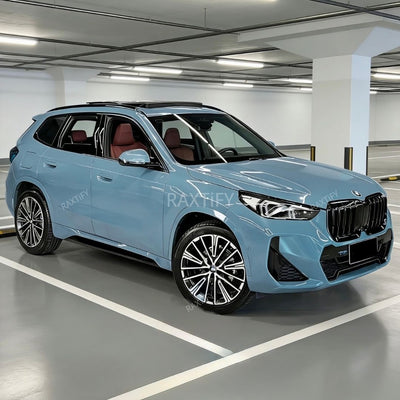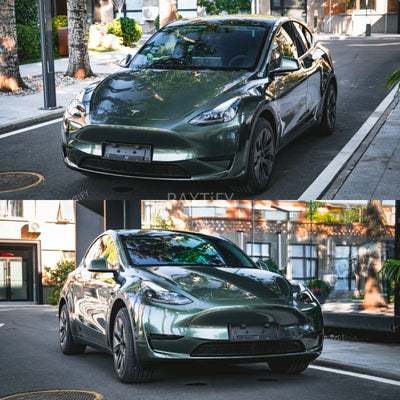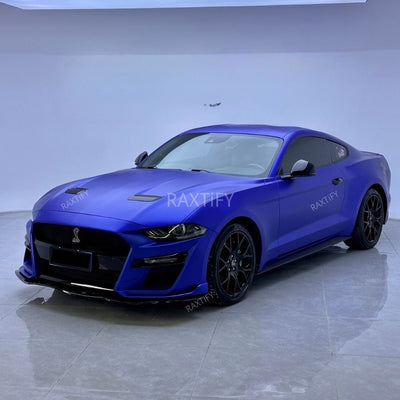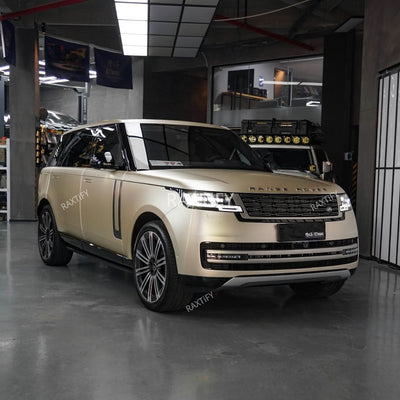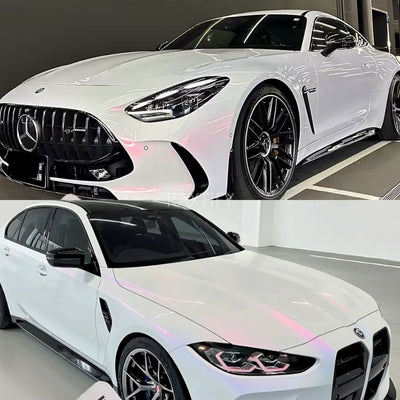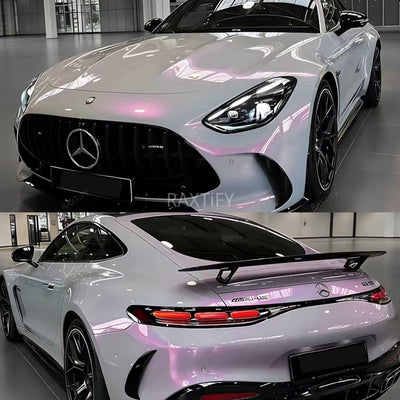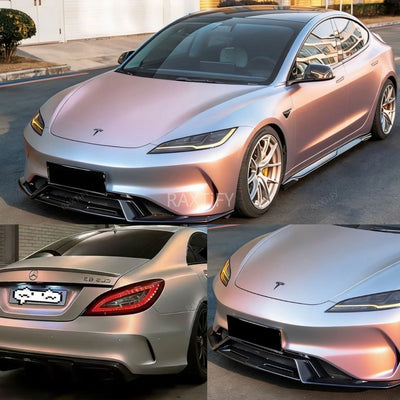


During the past years, there is an increased demand in customization of vehicles in both the individual and business sectors. The wraps are proving more popular among owners who need to change their style, do some branding, or simply use the wraps to preserve their paint, as they can be changed or removed without necessarily repainting the vehicle permanently.
That is the reason why we made this step-by-step guide: so that you can know what actually goes into starting a car wrapping business, whether it is skills and shop set up, pricing, legal background and how to get customers.
The article includes the equipment, expenses, training, and plan required to start a professional wrap business and expand in your local market.
Is Starting a Car Wrap Business Worth It in 2026?
It is always good to take a look at the positive and the difficulties before investing in tools or getting any kind of lease. It is an art, and wrap wrapping can be a lucrative career, however, it has actual physical and operational requirements.
Who This Business Is Actually Right For
A car wrap business tends to be a strong fit if you:
- Like practical work and work that is process-oriented.
- Willing to train and work months, not days.
- Able to effectively communicate with customers in regards to expectations and after care.
Desire a business with the ability to be small (garage/weekends) and grow
Common Misconceptions About the Car Wrap Industry
Many beginners get stuck because they assume:
- A wrap is primarily concerned with the vinyl. (In practice, process control and labor skill come into play, to a larger degree.)
- The whole thing can be learned during one weekend of videos (videos are helpful, but repetition and correction are what create the consistency).
- The primary method of winning is price (Quality, communication, and reliability are usually more effective in the long term).
Pros of Starting a Car Wrapping Business
Strong Earning Potential (When You’re Efficient)
A complete wrap work may go at a low-to-mid-thousand-dollars depending on the size of the vehicle, location and type of the vinyl. Material cost usually makes a minor part of the invoice as compared to labor and overhead. When you are trained and regular, wrap jobs can be a profitable source of revenue - particularly when combined with an add-on like chrome delete or ceramic coating over vinyl.
Growing Demand Across Consumer and Commercial Clients
The target audience includes a wide variety of clients: amateurs desire changes in the color, and the companies desire branded cars. this diversity would ensure that you are not dependent on a single kind of client.
Low Inventory Compared to Traditional Auto Businesses
You do not have to hold the huge parts inventories. Most of the shops maintain a small number of popular colors in stock and order others with each job, reducing the amount of money tied up in inventory.
Creative, Visible Work That Markets Itself
Photos and video and word-of-mouth are created by high-quality wraps. When you write about what you have done, the product is your advertising.
Cons of Starting a Car Wrapping Business
Startup Costs Can Add Up
Lean is free to begin with, however, a clean environment, lighting, tools, and a stable supply chain are not free. In case you wish to have a store front, monthly overhead is rapidly growing.
Steep Learning Curve
Customers do not stand bubbles, uneven seams or lifting edges. It requires time to practice, process and a rework strategy, particularly in the beginning.
Physical and Detail-Heavy Work
There are locations where central stores are numerous. A clear positioning strategy, good reviews, and clear demonstration of quality will be required to shine out.
Competitive Markets in Some Cities
There are locations where central stores are numerous. A clear positioning strategy, good reviews, and clear demonstration of quality will be required to shine out.
Understanding the Car Wrap Business Model
It is better to consider what type of wrap business you are creating and where you are making money before you make a purchase of inventory.
Different Types of Car Wrap Businesses
Color-Change Wraps (Personal Vehicles)
Aesthetic oriented services: full wraps, half-wraps, chrome delete, roof wraps, accents.
Commercial &Fleet Wraps
Graphics, branding, decals and repeat business multi-vehicle. In many cases, reduced creativity, increased consistency and longer-term accounts.
PPF / Color PPF Services
Work that is protection-oriented and would increase ticket size, but often would involve different training, materials, and installation requirements.
Hybrid Shops
Wrap + tint + PPF + detailing. The more there are revenue streams, the more there is complexity.
How Car Wrap Shops Actually Make Money
Profit typically comes from a combination of:
- Labor margin (controlling your skill and time)
- Stock material (purchase discipline and consistency)
- Bundling and additional features (additional upgrades and high-profit)
- Repeat business (referrals, fleet accounts, maintenance services)
Why Labor, Not Vinyl, Drives Profit
Two stores will be able to use the same films and charge the same price- but one will earn much more money since he/she will install faster, redo less work in comparison, and manage the workflow. It is often important to reduce errors, make your process more efficient and standardized rather than to seek out the cheapest vinyl.
Skills and Experience You Need to Start a Car Wrapping Business
It is not as simple as having a garage and a roll of vinyl to start a car wrap shop. Technical capacity, as well as business basics are required to operate an environmentally-friendly business.

Technical Skills: The Foundation of Great Installs
Vinyl Handling &Preparation
Proper cleaning, decontamination, and surface prep are major factors in long-term wrap performance. Poor prep is one of the most common reasons wraps fail early.
Heating Techniques
You will apply heat to bend vinyl around the curves and recessions and not stretch and distort. It is also beneficial to heat after to attain edge and complex shape durability.
Cutting &Trimming
Clean edges and safe cuts matter. Knifeless tape reduces risk to paint and helps deliver consistent lines.
Wrap Installation
You will require bubble control, tension control and planning of panel particularly on bumpers, mirrors and sharp transfer.
Tip: If you are beginning with an oily surface, use flat panels and then progress to complicated contours. Test on hoods, fenders and doors before investing in complete cars.
Training Options: Self-Taught vs Certified Programs
Self-Taught (YouTube &Forums)
Free and open, good in the basics. The disadvantage is that it has low feedback and chances of developing bad habits.
Certified Training Programs
Wrap courses offered by large manufacturers and training companies are usually 2-5 days long and involve practical training as well as troubleshooting. Customer trust can also be developed with the help of a certificate.
A good workaround is to master fundamentals with free materials, and then invest in practical training to refine technique and workflow.
Business Skills: Beyond the Wrap
Marketing
It will require regular posts and local presence: Google Business Profile, Instagram/Tik Tok, before/after gallery, and reviews.
Sales
Professional shops and hobbyists are distinguished by clear estimates and realistic time preparation and confident upsell packages.
Customer Service
Quick response, effective communication on installations, and professional problem solving make the first time clients referrals.
Essential Tools, Equipment, and Inventory for Your Car Wrap Shop
You do not need the same tools as a body shop, still the proper set up is a must, in case you are looking to get consistent outcomes.
Shop Setup: A Professional Wrapping Environment
A workable space should be:
- Garage/enclosed bay with space to move about the vehicle (at least 20x 10 feet)
- Even lighting (usually LED panels) Bright.
- Control temperature and humidity (vinyl is best in constant conditions)
- General comfort Ventilation of prep chemicals.
Not obligatory but beneficial: ramps and/or a lift to bumpers and rocker panel.
Installation Tools: The Wrapping Essentials
- Heat gun and/or torch
- Squeegees (felt and harder edge options)
- Knifeless tape
- Utility knives + plenty of fresh blades
- Magnets and masking tape for positioning
- Infrared thermometer
- Lint-free gloves
- Prep supplies: isopropyl alcohol, microfiber towels, clay bars, etc.
If you plan to do custom decals or graphics: a vinyl cutting plotter can be valuable.
Inventory: Types of Vinyl You’ll Need
Cast Vinyl
More adaptable and generally longer in full vehicle wrap. They are often used in premium work.
Calendared Vinyl
Less expensive and typically less adaptable and flexible to complex curves. Applied most frequently to flat surfaces or short-term to medium projects.
Specialty Finishes
Chrome, metallic, carbon fiber, holographic, matte/satin and color-shift. These have the ability to increase ticket size but in most cases require greater skill.
How Much Vinyl to Stock
Full wraps are usually done with about 250 to 300 sq. ft. depending on the size of the vehicle covered.
An approach based on a realistic beginning:
Retain 15 or 16 rolls of top sellers (matte black, gloss white, common grays).
Specialty colors are to be ordered by job until the cash flow will permit a deeper stock.
In case you would like wholesale film, reliable shipping and business services, you may establish a relationship with your supplier via RAXTiFY so that you could maintain stability in ordering and choice of colors as your business expanded.
Finding the Ideal Location for Your Car Wrap Shop
Your location affects customer convenience, workflow, and perceived professionalism.

Accessibility: Make It Easy to Visit
Look for spaces that are:
- Easy to find from main roads
- Located near other related businesses (detailers, body shops, dealerships)
- Capable of dealing with the parking of various vehicles.
Size and Layout: Plan for Workflow
Beyond visibility, the size and layout of the shop directly affect your workflow. For basic operations, a space of around 500–1,000 square feet is typically enough to handle one or two vehicles comfortably. Ideally, the shop should include a clean, well-lit install bay, organized storage for vinyl rolls and tools, and a small prep or design area for planning and consultations.
Zoning, Permits, and Local Rules
Before signing a lease, always review zoning laws, permits, signage restrictions, and parking regulations to avoid costly issues later. Finally, study nearby competitors. A crowded area can indicate strong demand, but success depends on differentiation. Look for gaps in service, quality, or customer experience that you can fill.
Competitive Landscape
Competition is one of the signals of demand, and it is indicative that you have to differentiate.
Practical evaluation:
- Enter car wrap shop in Google Maps.
- Publicity reviews and photo quality.
- Identify weak spots (fleet-only stores, no color-change orientation, poor customer service, low response time, etc.)
Licensing, Insurance, and Legal Basics
Skipping legal basics can turn one bad incident into a major setback.
Business Registration: Choose a Structure
- Sole proprietorship: easy, however, fewer protection of liabilities.
- LLC: common choice for small shops; separates personal and business liability
- DBA: in case you are not using your own name as business name
Local Licenses and Permits
- The requirements differ depending on the city/county, however, usually they include:
- General business license
- Zoning approval (especially for home-based setups)
- Sales tax permit (if applicable)
Insurance Coverage You Should Consider
- General liability insurance
- Commercial property coverage (tools and equipment)
- Garage keepers insurance (if storing client vehicles)
- Workers’ comp (if hiring)
- BOP (bundled policies) depending on your needs
A broker familiar with automotive service businesses can help you avoid gaps in coverage.
How Much Does It Cost to Start a Car Wrapping Business?
The startup budgets differ highly between opening shop lean and full shop. Realistic range is usually between $5,000 and $30,000 or more depending on how it is set up, space and strategy of buying it.

Rent or Workspace Setup
Home garage: minimal overhead, and not very scalable, and frequently zoning restrictions.
Mid-level cost: small industrial unit.
Storefront: more expensive, more prominent.
Tools and Starter Supplies
Majority of the shops allocate funds to the necessary tools, work surfaces, lighting improvements, and preparation supplies.
Vinyl Inventory Strategy (Lean vs Stock-Heavy)
- Lean Start (Order Per Job)
- Lower upfront cash
- Less dead stock
- Requires tighter scheduling with shipping timelines
- Stock-Heavy Start (Keep Rolls Ready)
- Faster turnaround and better upsell flexibility
- Higher cash tied in inventory
- Risk of slow-moving colors
Legal, Permits, Insurance, and Training
There is variation in registration and licensing costs depending on the region.
Insurance is a recurrent expense that must be part of the monthly arrangement.
A clever initial investment can be training in order to minimize rework and negative feedback
How to Get Your First Car Wrap Customers
Customers that come early are based on trust + visibility + proof.
Build a Website and Local SEO Foundation
Your website should include:
- About page (your process, what you specialize in)
- Gallery (even if it starts with personal/demo projects)
- Quote form and clear contact info
- Service pages targeting your city (“car wrap shop in [city]”)
Local SEO basics:
- Claim and complete your Google Business Profile
- Ask for reviews right after pickup
- List your business on major directories
- Use Social Media to Document Every Install
Post:
before/after photos
short install clips
reveal videos
customer pickup reactions
Your first 10–20 jobs are your portfolio—treat them like marketing assets.
Partnerships: Clubs, Dealerships, and Related Shops
Consistent leads can be driven by car clubs and meets.
Used-car dealerships and used-car sellers could be interested in cosmetic refresh services.
Strong referral partners may be detailers
Demo Vehicles and Strategic Collaborations
Wrap your own car for visibility
Offer a discounted showcase wrap to someone with strong local reach (with clear agreement on content)
How to Price Your Car Wrap Services (Without Undercutting Yourself)
You must charge based on your time, material costs and overhead- and a margin of rework.
Typical Price Ranges (Varies by City and Vehicle)
The prices change according to the market, yet most shops price according to:
vehicle size
vinyl type/finish
complexity and prep needs
turnaround time
It is more prudent to establish ranges after comparing 5--10 local competitors and then base your shop with quality, speed or specialization.
Factors That Affect Pricing
Vehicle Size and Complexity
SUVs, trucks, vans and body kit vehicles consume more time and vinyl.
Vinyl Type and Finish
Specialty films are usually pricier and may need an additional amount of work because of handling and conformity.
Design and Graphics
Design time, printing/lamination and alignment labor are incurred with custom graphics.
Surface Prep
The use of poor paint, residue or past coatings can add additional time in prep which must be priced in.
Upsells That Increase Revenue (and Customer Value)
Chrome delete
Ceramic coating over vinyl
Custom graphics/decals
PPF for high-impact areas (if you offer it)
Package examples:
Basic Wrap
Wrap + Chrome Delete
Wrap + Ceramic
Commercial Branding Package
Sample Pricing Breakdown (Simple Framework)
A clean quote often includes:
materials estimate
labor estimate (hours/days)
overhead buffer
add-ons as line items
This makes pricing feel professional and reduces disputes.
How Much Money Can You Make With a Car Wrapping Business?
Income varies based on skill, efficiency, overhead, and local demand.
What Drives Profit
How many jobs you can complete per month
How often you redo work (rework kills margins)
Your average ticket size (wrap + add-ons)
Your review reputation and referral rate
A Simple Way to Forecast Your Numbers
Start with:
- average selling price per job
- average material cost
- average labor time
- monthly overhead
Estimate then your realistic monthly number of jobs. It is a strategy that will make you create goals and determine when to hire.
Common Mistakes That Kill New Car Wrap Businesses
In the case of wrap startups, most of them fail due to operational factors, not due to lack of demand.
Taking Every Job (Even Bad Fits)
Certain vehicles and customers are very risky: bad paint, unrealistic expectations, deadlines. Training your no will help secure your reviews.
Overpromising and Under-Explaining
Failure to explain seams, edges, aftercare, and tradeoff between timelines by the customer makes the assumption of perfection, and leaves the customer disappointed.
Ignoring Aftercare Education
The complaint and preliminary failures are decreased with the help of a care sheet and a brief pickup walkthrough.
No Process for Rework and Disputes
You only require a simple policy, what you fix, what you do not and how you document condition before installing.
How to Scale a Car Wrap Business Over Time
Scaling does not have to do with more jobs but rather systems.
From Solo Installer to Shop Owner
Standardize prep and install steps
Build quote templates
Track time per vehicle to improve efficiency
Adding Services Strategically
If your market supports it, you can add:
commercial graphics
fleet accounts
PPF or color PPF (with proper training)
Team, Quality Control, and Consistency
A growing shop needs:
training checklists
quality inspection steps
clear warranty terms
consistent customer communication
Great Customer Support: The Shortcut to 5-Star Growth
Tools and technique are important but it is customer experience that leads to reviews and referrals.
Be Responsive
Quick response and precise estimations create trust at the initial stages.
Set Realistic Timelines and Communicate
In case of delays (shipping, additional preparing, weather), clarify in advance and be explicit.
Offer a Simple Workmanship Warranty
A definite policy of workmanship is confidence-builders--only be particular and doable.
Deliver a Professional Pickup Experience
care instructions
photos (with permission)
follow-up message after a few days
Turn Customers Into Advocates
Request a review on pick up, develop referral incentives and publish customer stories.
Starting a Car Wrap Business FAQs
Q1. How much does it cost to start a car wrap business?
Most startups lie between $5000 and $30000 and more, depending on workspace, equipment, inventory plan, insurance and training.
Q2. Do I need a license to start a car wrap shop?
Generally you will require a general business license and also meet local zoning regulations. To be allowed to sell also needs a sales tax permit. Different cities/counties/states have different requirements.
Q3. Can I start a car wrap business from home?
Sometimes, yes—if you have a clean, workable garage and local rules allow it. Home-based shops often need zoning approval or a home occupation permit.
Q4. Is car wrapping a good business?
It can be, particularly, in case you concentrate on the stable quality, understandable communication with customers, and a steady marketing system. It is not passive revenue, yet it may be increased by skill and procedure.
Q5. What tools do I need to wrap cars?
Some of the basic tools a heat gun, squeegees, knifeless tape, sharp blades, magnets / tape to position, IR thermometer, and the correct supplies to prep the surface.
Q6. How do I find clients for my car wrap shop?
Begin with local SEO (Google Business Profile + reviews), regular documentation on social media, collaborations with clubs/dealers/detaileders, and robust portfolio which can be your own demo car although it may start with a demo vehicle.
Final Thoughts: Start Lean, Build Skill, Grow Smart
It is not necessary to construct a huge shop on the first day you need to have a car wrap business. The most common trajectory that any new member should follow is to: go lean, learn the trade, record all the work, create reviews, and grow only after you have a regular work process.
RAXTiFY can help wrap businesses with a broad range of colors and convenient ordering mechanisms (and wrap businesses) in general, preferably when you are balancing cash flow and customer choice, and you are expanding your supplier relationship.