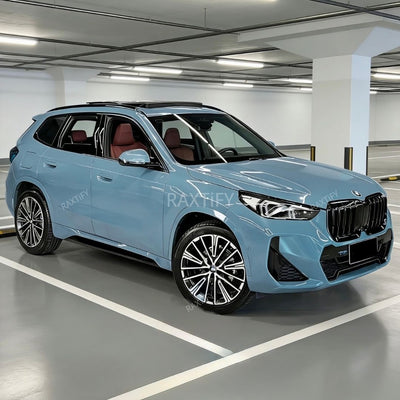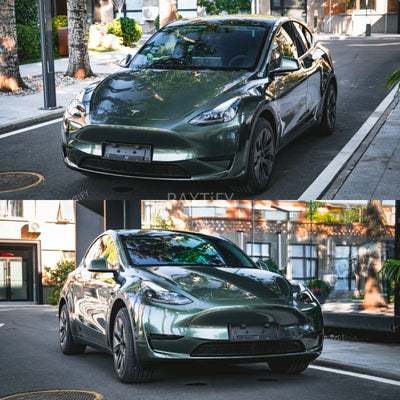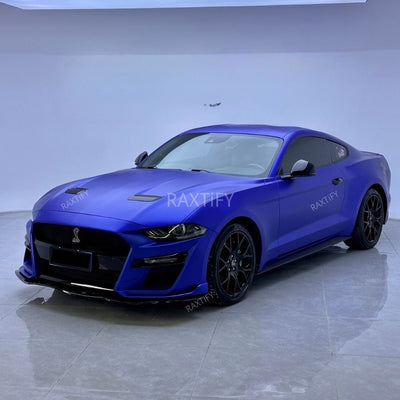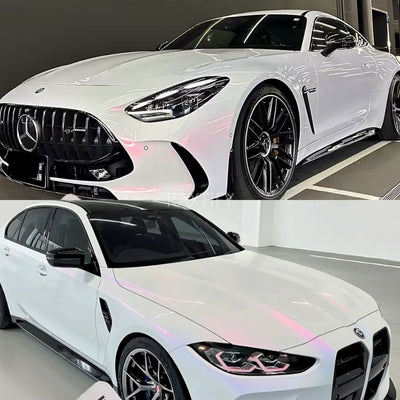

Satin black vinyl wrap has a soft sheen that highlights a vehicle’s body lines, while matte black vinyl wrap creates a flatter, low-reflection finish with a more aggressive appearance. For most daily-driven cars, satin black is the more practical choice because fingerprints, light dust, and water spots are usually less noticeable. Matte black is better for drivers who prioritize a deeper stealth look and are prepared for more careful cleaning and maintenance.

Satin Black vs Matte Black at a Glance
Satin black and matte black vinyl wraps both create a low-gloss appearance, but they behave differently under light and require different levels of maintenance. Satin black retains a soft sheen that helps define the vehicle’s body lines, while matte black produces a flatter, more subdued finish. The table below compares the main differences.
| Comparison Factor | Satin Black Vinyl Wrap | Matte Black Vinyl Wrap |
|---|---|---|
| Shine | Soft, controlled sheen between gloss and matte | Very low sheen with a flatter appearance |
| Light Behavior | Creates smooth highlights and changes more noticeably between sunlight and shade | Diffuses reflected light for a more uniform, subdued look |
| Body-Line Definition | Highlights curves, creases, and body lines more clearly | Softens reflections and makes body lines appear less pronounced |
| Fingerprints | Generally less noticeable because of the slight sheen | Often more visible, especially on frequently touched panels |
| Water Spots | Usually less visually prominent, although prompt drying is still recommended | May appear more noticeable on the flat, low-gloss surface |
| Cleaning | Generally easier to keep looking clean on a daily-driven vehicle | Requires more careful and frequent cleaning to maintain an even finish |
| Installation | Some satin films may have a directional appearance, so panel orientation should be checked during installation | Installation difficulty depends on the film construction, adhesive system, and vehicle shape |
| Best Use | Daily drivers, luxury vehicles, sports cars, and builds that need a refined low-gloss finish | Stealth builds, show cars, off-road vehicles, and drivers seeking the flattest black appearance |
| Daily-Driver Recommendation | Recommended for most daily drivers because it balances low-gloss styling with easier visual maintenance | Best for drivers who prioritize a full stealth look and are prepared for more careful upkeep |
Quick recommendation: Choose satin black if you want a practical low-gloss finish that still highlights the vehicle’s shape. Choose matte black if your priority is a flatter, more aggressive stealth appearance.
What Is Satin Black Vinyl Wrap?
Satin black vinyl wrap is a low-gloss automotive film that sits between gloss black and matte black. It does not create the sharp, mirror-like reflections of a gloss finish, but it reflects more light than a fully matte surface. The result is a smooth black appearance with a soft, controlled sheen.
Its appearance changes noticeably under different lighting conditions. In direct sunlight, satin black creates subtle highlights across the hood, fenders, and other curved body panels, making the vehicle’s body lines easier to see. In shade or low-light environments, the color appears darker and flatter, giving the car a more understated look. Under garage or showroom lighting, the finish produces a clean, even reflection without appearing overly shiny.
Satin black is well suited to drivers who want a stealth-inspired appearance without completely hiding the shape of the vehicle. It works particularly well on sports cars, performance sedans, luxury vehicles, SUVs, and daily-driven cars. Compared with matte black, satin black generally looks slightly more refined and is often the more practical choice for owners who want a low-gloss finish that still shows off the vehicle’s design.

What Is Matte Black Vinyl Wrap?
Matte black vinyl wrap is a low-sheen automotive film designed to create a flat, understated finish. Unlike gloss vinyl, which produces clear reflections, matte black diffuses reflected light across the surface. This reduces visible highlights and gives the vehicle a darker, more uniform appearance without making the surface completely non-reflective.
The finish is commonly associated with a stealth-inspired look. By softening reflections across the hood, doors, and quarter panels, matte black can make a vehicle appear more aggressive and purposeful. It works particularly well on sports cars, performance sedans, SUVs, trucks, and vehicles with angular bodywork. Black wheels, tinted windows, and dark exterior trim can further strengthen the monochromatic effect.
One practical consideration is surface maintenance. Fingerprints, skin oils, water spots, bird droppings, and uneven cleaning marks may be more noticeable on matte black than on satin black. The surface should be cleaned with a soft microfiber mitt and a wrap-safe cleaner. Abrasive polishes, waxes, and gloss-enhancing products should be avoided because they can create shiny or uneven areas that are difficult to correct.
Matte black is best suited to drivers who prioritize a deep, low-reflection appearance and are prepared to maintain the finish carefully. For a daily-driven vehicle that needs easier upkeep and slightly stronger body-line definition, satin black may be the more practical alternative.

Satin Black vs Matte Black Vinyl Wrap: Key Differences
Satin black and matte black vinyl wraps share a low-gloss appearance, but they create noticeably different results on a vehicle. Satin black reflects a controlled amount of light, which helps preserve body contours and makes daily maintenance more manageable. Matte black produces a flatter, more subdued finish that delivers a stronger stealth look but usually requires more careful cleaning.

Appearance and Shine
Satin black has a soft, controlled sheen, while matte black has a flatter finish with very little visible gloss.
Satin black sits between gloss and matte. It reflects enough light to create smooth highlights across the hood, doors, and fenders without producing the sharp reflections associated with gloss vinyl. The result is refined, sporty, and slightly more paint-like.
Matte black diffuses reflected light more broadly, creating a deeper and more uniform low-gloss appearance. It is often chosen for stealth builds, aggressive sports cars, trucks, and vehicles where the owner wants to minimize visible reflections.
Neither finish is completely non-reflective. The main difference is how much light each surface reflects and how sharply those reflections appear.
Body-Line Definition in Sunlight and Shade
Satin black defines body lines more clearly, while matte black visually softens curves, creases, and panel transitions.
In direct sunlight, satin black creates visible highlights along raised areas of the body. Hood contours, shoulder lines, wheel arches, and rear quarter panels usually appear more pronounced because the finish reacts to changing light angles.
Matte black produces fewer concentrated highlights. This can make large panels look flatter and more uniform, especially in shade or overcast conditions. On vehicles with complex bodywork, some smaller design details may appear less prominent than they would under a satin finish.
For cars such as the Ford Mustang, Dodge Charger, Chevrolet Corvette, or BMW M4, satin black can emphasize muscular body lines. Matte black is better suited to drivers who want those shapes to appear darker, quieter, and more understated.
Fingerprints, Water Spots, and Stains
Matte black generally shows fingerprints, oily marks, and uneven cleaning more easily than satin black.
The slight sheen of satin black helps reduce the visual contrast of light dust, fingerprints, and minor water spots. These marks can still appear, especially on horizontal panels, but they are often less noticeable from normal viewing distances.
Matte black requires more consistent maintenance because oils and contaminants can temporarily change the appearance of the low-gloss surface. Fingerprints may create darker or slightly shinier patches, while mineral deposits from untreated water can leave visible marks after drying.
Bird droppings, bug residue, tree sap, fuel spills, and road contaminants should be removed promptly from either finish. Leaving them on the surface for too long may cause staining or make cleaning more difficult.
Scratches and Surface Marks
Satin black usually conceals light surface marks slightly better, while matte black can make rubbing, polishing, and uneven abrasion more noticeable.
Minor marks on satin black may blend into its controlled reflections, depending on the depth of the damage and the viewing angle. However, scratches that alter the surface texture can still be visible and generally cannot be polished away like scratches in automotive paint.
Matte black is especially sensitive to friction and uneven rubbing. Abrasive brushes, rough towels, polishing compounds, and repeated scrubbing can create shinier patches that contrast with the surrounding finish.
Neither satin nor matte vinyl should be machine-polished unless the film manufacturer specifically approves the method. If a panel develops deep scratches, cuts, lifting, or permanent surface damage, replacing the affected section is usually more effective than attempting to polish it.
Cleaning and Daily Maintenance
Satin black is generally easier to maintain as a daily-driven finish, while matte black requires more careful and consistent cleaning.
Both wraps should ideally be hand-washed with clean water, mild wrap-safe soap, a soft microfiber wash mitt, and non-abrasive drying towels. Washing from the top downward helps prevent dirt from being dragged across already cleaned panels.
Satin black is more forgiving when light dust or minor water spots are present. Matte black can show oils and uneven cleaning more clearly, so each panel should be cleaned and dried consistently.
Avoid abrasive brushes, strong solvents, polishing compounds, waxes that add gloss, and automatic car washes with rotating brushes. When using a new cleaner, test it on a small and inconspicuous area first. Always follow the care instructions provided for the specific vinyl film.
Durability and Expected Lifespan
Satin and matte black wraps can have similar service lives, because film construction, installation, climate, and maintenance matter more than the finish name alone.
A satin finish does not automatically last longer than a matte finish, and matte vinyl does not automatically fade faster. Actual longevity depends on factors such as:
- Vinyl quality and construction
- Professional installation
- Sun and UV exposure
- Local temperature and climate
- Outdoor or indoor parking
- Horizontal-panel exposure
- Cleaning habits
- Contaminant removal
- Vehicle usage
The hood, roof, trunk lid, and other horizontal surfaces typically receive more sunlight and environmental exposure than vertical panels. These areas may show aging sooner, particularly on vehicles that remain outdoors.
Customers should review the warranty and expected service life of the specific product they are purchasing rather than relying on one lifespan estimate for every satin or matte wrap.
Installation Difficulty and Film Direction
Neither finish is always easier to install; installation difficulty depends primarily on the film construction, adhesive system, vehicle shape, and whether the material has a directional appearance.
Some satin films can appear slightly different when panels are installed in opposite directions. Metallic, textured, and specialty satin products are more likely to require careful panel orientation, but installers should check every roll before application.
Standard matte black may appear more visually uniform, but it can still develop stretch marks, gloss variation, adhesive lines, or uneven texture when installed incorrectly. Overstretching the material may change its surface appearance, particularly around bumpers, mirrors, recesses, and sharp curves.
Before cutting panels, installers should confirm the roll direction and mark the backing paper when necessary. Keeping adjacent panels aligned helps maintain a consistent finish across the vehicle.
Cost and Overall Value
Satin black and matte black wraps are usually priced similarly, so overall value depends more on product quality, installation, maintenance, and the desired appearance.
The finish itself is rarely the main factor affecting total project cost. Pricing is more likely to vary according to:
- Vehicle size and body complexity
- Full wrap or partial wrap coverage
- Film brand and product series
- Surface preparation
- Removal of an existing wrap
- Installer experience
- Door jambs and additional details
- Local labor rates
For most daily drivers, satin black often provides stronger overall value because it combines a low-gloss appearance with clearer body-line definition and more forgiving maintenance.
Matte black provides better value for owners who specifically want the flattest possible black finish and are prepared to clean it carefully. The better choice is not necessarily the cheaper film—it is the finish that best matches the vehicle’s design, usage, and maintenance routine.


How to Choose Between Satin Black and Matte Black Vinyl Wrap
Choosing between satin black and matte black vinyl wrap comes down to three main factors: the look you want, how much maintenance you are comfortable with, and how you use your vehicle. Satin black offers a soft sheen that keeps body lines visible, while matte black creates a flatter, darker appearance with less noticeable reflection.
For most daily-driven vehicles, satin black is the more practical all-around choice. Matte black is better suited to drivers who prioritize a stronger stealth look and are prepared to clean the finish more carefully.

Choose Satin Black Wrap if…
Choose satin black vinyl wrap if you want a subdued black finish without completely removing the vehicle’s natural reflections. Its soft sheen catches light along the hood, fenders, and side panels, helping the shape of the vehicle remain clearly defined.
Satin black is generally a good choice if:
- You want a balance between gloss and matte.
- You drive the vehicle regularly.
- You want the body lines to remain visible in sunlight and shade.
- You prefer a refined, sporty, or factory-inspired appearance.
- You want fingerprints, light dust, and minor water spots to be less visually prominent.
- You are wrapping a luxury sedan, sports car, Tesla, or another vehicle with smooth, sculpted panels.
Satin black works especially well for owners who like the understated character of matte black but do not want the surface to look completely flat. It can also be easier to live with on a daily driver because the controlled sheen helps conceal some minor surface contamination between washes.
However, some satin films may have a directional appearance. Installers should keep the film orientation consistent across adjoining panels to avoid visible shade differences.
Choose Matte Black if…
Choose matte black vinyl wrap if your main priority is a deep, low-reflection finish. Matte black reduces visible highlights across the body and creates a more uniform, stealth-focused appearance.
Matte black is generally a good choice if:
- You want the flattest black finish possible.
- You prefer an aggressive, tactical, or stealth-inspired style.
- You are building a show car or a vehicle with a strong visual theme.
- You do not mind cleaning fingerprints and surface contamination more frequently.
- You want chrome trim, wheels, or other contrasting details to stand out.
- You prefer a finish that minimizes bright reflections under direct light.
Matte black can look particularly effective on performance cars, SUVs, trucks, and vehicles with angular styling. Because the finish reflects less light, the overall design may appear heavier and more dramatic.
The tradeoff is that oils, fingerprints, water spots, and uneven cleaning can be more noticeable on some matte surfaces. Matte vinyl should be cleaned with wrap-safe products and non-abrasive tools, and it should not be polished like gloss paint.
Ultimately, choose satin black for a more versatile and easier-to-maintain finish. Choose matte black when achieving the darkest possible stealth look is more important than convenience.
Do Satin and Matte Black Vinyl Wraps Protect Paint?
Satin black and matte black vinyl wraps can provide a limited barrier between the vehicle’s paint and everyday surface exposure. However, color-change vinyl is designed primarily to change a vehicle’s appearance—not to provide the same level of impact protection as paint protection film.
A properly installed vinyl wrap may help keep the original paint cleaner and reduce direct contact with light contaminants. It should not be relied on to prevent stone chips, deep scratches, dents, or other damage caused by stronger impacts.
What Vinyl Wrap Can Help Protect Against
Satin and matte black vinyl wraps may help reduce direct exposure to:
- Light surface scuffs from normal handling
- Bug residue, bird droppings, and road grime
- Minor contamination from dirt and everyday driving
- Some direct exposure to sunlight and environmental pollutants
- Light marks that affect the wrap surface rather than the paint underneath
The level of protection depends on the film construction, installation quality, vehicle use, climate, and maintenance. Horizontal panels such as the hood, roof, and trunk are generally exposed to more sunlight, heat, and contamination than vertical body panels.
Vinyl wrap should not be described as protection against serious scratches or rock chips. Sharp debris and stronger impacts can cut through the film and damage the paint below. The wrap itself can also stain, scratch, fade, or wear over time if it is not maintained correctly.
For the best results, vinyl should be applied over clean, fully cured, factory-quality paint. A wrap will not repair peeling clear coat, rust, deep scratches, or damaged paint, and removing film from an unstable surface may lift weakened paint.
When Paint Protection Film Is the Better Choice
Paint protection film is the better option when preserving the original paint is the main priority. Unlike standard color-change vinyl, PPF is specifically engineered to absorb more physical impact and resist damage from everyday road use.
Consider PPF when you need stronger protection against:
- Rock chips and road debris
- Light scratches and swirl marks
- Highway driving exposure
- Damage around the front bumper, hood, mirrors, and fenders
- Frequent driving in construction zones or on rough roads
- Long-term preservation of original paint
Many modern PPF products use a thicker polyurethane construction than conventional vinyl wrap. Depending on the product, they may also include stain-resistant, hydrophobic, or self-healing surface properties. These features vary by film, so customers should review the specifications and warranty of the individual product before purchasing.
Drivers who mainly want a satin or matte black color change will usually choose vinyl wrap. Drivers who want stronger protection should consider clear PPF or colored paint protection film. For customers who want both a new appearance and more substantial paint protection, RAXTiFY color PPF may provide a more suitable solution than standard vinyl wrap.
How to Care for Satin and Matte Black Vinyl Wraps
Satin and matte black vinyl wraps require gentler care than gloss finishes because oils, water spots, and surface marks can be more noticeable on low-sheen film. Regular hand washing, prompt contaminant removal, and the right cleaning products will help preserve an even finish and prevent permanent staining.
Wash the Wrap by Hand
Hand washing is generally the safest way to clean satin and matte black vinyl wrap. Rinse the vehicle first to remove loose dirt, then wash it with a mild, pH-neutral automotive soap and a soft microfiber wash mitt.
Work from the top of the vehicle downward and avoid scrubbing the surface aggressively. After washing, rinse thoroughly and dry the wrap with a clean microfiber towel to reduce water spots.
A touchless car wash may be used when hand washing is not practical. Avoid automatic car washes with rotating brushes, as the brushes can scratch the film, lift exposed edges, or create uneven marks across the low-gloss surface.
Remove Contaminants as Soon as Possible
Bird droppings, tree sap, insects, fuel spills, and road tar should not remain on the wrap for long periods. These contaminants may stain or discolor satin and matte surfaces, especially when the vehicle is parked in direct sunlight.
Soften the affected area with warm water or a wrap-safe cleaner before wiping it gently with a microfiber towel. Do not scrape hardened residue from the film or use excessive pressure.
Before applying a new cleaner across the entire vehicle, test it on a small, inconspicuous area.
Avoid Wax, Polish, and Abrasive Products
Traditional waxes, polishing compounds, and gloss-enhancing products are not suitable for most satin and matte vinyl wraps. They may create shiny patches, uneven reflections, or permanent changes in the finish.
Avoid products containing abrasive particles, strong solvents, petroleum distillates, or aggressive degreasers unless the film manufacturer specifically approves them. Use cleaners designed for matte, satin, or low-gloss automotive surfaces whenever possible.
Be Careful With Pressure Washing
Pressure washing can be used cautiously, but the nozzle should remain a safe distance from the wrap. Do not aim high-pressure water directly at panel edges, seams, corners, or areas where the vinyl has already started lifting.
Excessive water pressure or heat can weaken adhesive around vulnerable edges. Hand washing remains the preferred method for routine cleaning.
Reduce Sun and Weather Exposure
Extended UV exposure, high temperatures, road salt, and harsh weather can shorten the service life of any vinyl wrap. Parking in a garage or shaded area can help reduce fading, staining, and heat-related wear.
Horizontal panels such as the hood, roof, and trunk usually receive more direct sunlight than vertical panels. These areas may require closer inspection and more frequent cleaning.
Satin vs Matte Black: Which Is Easier to Maintain?
Satin black is generally easier to maintain visually because its slight sheen makes fingerprints, light dust, and minor water spots less noticeable. Matte black creates a flatter appearance, but oils and uneven cleaning marks may stand out more clearly.
Both finishes can remain attractive with proper care. The most important steps are regular hand washing, quick contaminant removal, and avoiding products that alter the original sheen of the vinyl.
RAXTiFY Expert Take: Satin Black or Matte Black?
At RAXTiFY, we do not consider satin black and matte black interchangeable finishes. They may look similar in product photos, but they create noticeably different results once applied to a full vehicle.
Our view is straightforward: satin black is the stronger all-around choice, while matte black is the more specialized choice. Satin black retains enough reflection to show the shape of the hood, fenders, doors, and rear quarter panels. Matte black suppresses those reflections, producing a flatter and more aggressive look.
Neither finish is automatically better for every build. However, for most customers choosing a black wrap for regular road use, satin black offers the better balance of appearance, maintenance, and long-term satisfaction.
Our Recommendation for Most Daily Drivers
For most daily-driven vehicles, we recommend satin black.
The main reason is not simply that satin black is easier to clean. It is that satin black continues to show the design of the vehicle. Its controlled sheen creates visible highlights along curved panels and sharp body lines without looking as reflective as a gloss black finish.
In our view, this makes satin black especially effective on vehicles with sculpted bodywork. On cars such as the Ford Mustang, Dodge Charger, BMW M4, Chevrolet Corvette, and Tesla Model 3, a completely flat finish can sometimes hide details that give the vehicle its character. Satin black darkens the overall appearance while preserving those details.
Satin black is also generally more forgiving in everyday use. Light dust, fingerprints, water spots, and small variations in the surface tend to attract less attention than they do on a very flat matte finish. This does not mean satin black is maintenance-free, but it usually remains visually presentable with less effort.
We also find that satin black works with a wider range of vehicle styles. It can look understated on a luxury sedan, aggressive on a muscle car, and modern on an electric vehicle. Matte black creates a more specific visual statement, while satin black adapts more easily to the car.
For these reasons, satin black is our default recommendation for customers who want:
- A subdued black finish without losing all visible reflection
- Stronger definition across body lines
- A practical option for regular driving
- Easier visual maintenance
- A finish that is less likely to feel overly flat after the novelty wears off
Our honest opinion is that many customers initially ask for matte black because it sounds more aggressive, but satin black often produces the more complete-looking vehicle once the entire car is wrapped.
When We Recommend Matte Black Instead
We recommend matte black when the customer wants the flattest possible appearance and understands that the finish requires more deliberate care.
Matte black is not simply a lower-shine version of satin black. It changes how the eye reads the vehicle. Reflections become softer and less defined, large panels appear more uniform, and the car takes on a darker, more industrial or stealth-oriented character.
This finish is particularly effective when the goal is to make the vehicle look less polished and more purpose-built. It can work well on:
- Off-road SUVs and trucks
- Military-inspired builds
- Track-focused vehicles
- Show cars with contrasting gloss or carbon-fiber accents
- Vehicles designed around a full stealth theme
We also recommend matte black when contrast is an important part of the design. Gloss black roofs, carbon-fiber components, polished wheels, colored brake calipers, and metallic trim can stand out more strongly against a flat matte body.
However, we would not recommend matte black solely because it appears more aggressive in close-up product photos. On a full vehicle, especially one with broad or relatively flat panels, the finish can sometimes reduce visual depth and make the bodywork look less defined. Fingerprints, oily marks, water spots, and uneven cleaning can also become more noticeable.
Matte black is therefore the better choice when the customer specifically wants:
- Minimal visible sheen
- A full stealth or tactical appearance
- Strong contrast with gloss, metallic, or carbon-fiber details
- A less conventional and more specialized build
- A finish they are prepared to maintain carefully
Our final position is simple: choose satin black when you want the car itself to remain the focus; choose matte black when you want the finish to completely change the personality of the car.
Frequently Asked Questions
Is satin black easier to maintain than matte black?
Yes, satin black is generally easier to maintain visually than matte black. Its soft sheen makes light dust, fingerprints, and minor water spots less noticeable. Matte black has a flatter surface appearance, so oils, uneven cleaning, and surface contamination may stand out more clearly. Both finishes should be hand-washed with a mild, wrap-safe cleaner and dried using a clean microfiber towel.
Which finish shows more fingerprints?
Matte black usually shows fingerprints and skin oils more clearly than satin black. Because matte vinyl has very little visible sheen, oily marks can create noticeable changes in the surface appearance. Satin black reflects slightly more light, which helps reduce the visual contrast of fingerprints. However, both finishes should be cleaned promptly with products approved for low-gloss vinyl wrap.
Does matte black fade faster than satin black?
Not necessarily. The finish alone does not determine how quickly a vinyl wrap fades. Film quality, UV exposure, climate, parking conditions, installation quality, and maintenance usually have a greater effect on color retention. Horizontal panels such as the hood, roof, and trunk often experience more sun exposure than vertical panels. Always check the expected service life and warranty for the specific vinyl wrap product.
Can you wax satin or matte black vinyl wrap?
Traditional car wax should generally be avoided on satin and matte black vinyl wraps because it may create uneven shine, streaking, or glossy patches. Use cleaning and protection products specifically labeled as safe for matte or satin vinyl. Before applying any product to the full vehicle, test it on a small, inconspicuous area and follow the film manufacturer’s care instructions.
Is satin black vinyl wrap directional?
Some satin black vinyl wraps may have a directional appearance, but this depends on the specific film. Directional films can look slightly different when adjacent panels are installed in opposite orientations. Installers should check the film before application and keep the roll direction consistent across the vehicle. Metallic, satin, textured, and color-shift films are more likely to require careful panel orientation.
Which finish is easier to install?
Neither finish is automatically easier to install in every situation. Installation difficulty depends on the film construction, adhesive system, surface texture, vehicle shape, and installer experience. Some satin films require closer attention to panel direction, while matte films may show overstretching, pressure marks, or uneven handling more clearly. Complex curves, bumpers, and recessed areas should ideally be handled by an experienced installer.
Can black vinyl wrap be removed without damaging paint?
Yes, professionally installed black vinyl wrap can usually be removed without damaging healthy factory paint. Safe removal depends on the condition of the original paint, the age of the wrap, installation quality, and removal technique. Repainted, peeling, cracked, or poorly bonded paint may lift during removal. Gentle heat and controlled pulling are generally safer than removing the film quickly or while it is cold.
Is satin black better for a daily-driven car?
For most daily-driven vehicles, satin black is usually the more practical choice. It provides a low-gloss appearance while still showing the vehicle’s body lines, and fingerprints, light dirt, and water spots are often less noticeable than on matte black. Matte black remains a strong option for drivers who prefer the flattest possible stealth look and are prepared to clean the surface more carefully.
Recommended RAXTiFY Black Wrap Options
The right black vinyl wrap depends on how much light reflection, texture, and visual contrast you want. RAXTiFY offers several black finishes, ranging from a subtle satin-matte appearance to a darker chrome-inspired effect.
Matte Satin Black Vinyl Wrap
The Matte Satin Black Vinyl Wrap sits between traditional satin and matte finishes. It has a restrained sheen that keeps the vehicle looking dark and understated while still revealing highlights across the hood, fenders, and curved body panels.
This balanced finish is well suited to daily-driven vehicles because it delivers a stealth-inspired appearance without making the body lines look completely flat. Choose Matte Satin Black when you want a refined black wrap that is easier to live with than a full matte finish.
Matte Black Vinyl Wrap
The Matte Black Vinyl Wrap produces the flattest and most subdued appearance of these three options. Its low-sheen surface reduces sharp reflections and gives cars, trucks, and SUVs a more aggressive stealth look.
Matte Black is the better choice when minimizing shine is your main priority. However, fingerprints, water spots, oils, and uneven cleaning may be more noticeable on the low-gloss surface, so it generally requires more careful maintenance than Matte Satin Black.
Satin Chrome Ultra Black Vinyl Wrap
The Satin Chrome Ultra Black Vinyl Wrap offers a more dramatic alternative to conventional satin or matte black. Its deeper, chrome-influenced finish reflects more light and creates stronger highlights across the vehicle’s body lines without producing the full mirror effect of gloss chrome.
Choose Satin Chrome Ultra Black when you want a dark black appearance with greater depth, contrast, and visual impact. It is particularly effective on vehicles with pronounced curves and angular bodywork, although its more distinctive finish may require additional attention during installation.
Still comparing finishes? Explore all RAXTiFY Black Vinyl Wraps to view more gloss, satin, matte, metallic, and chrome-inspired black options.
Final Thoughts: Satin Black or Matte Black?
For most daily-driven vehicles, satin black is the more practical choice. Its soft sheen keeps the car looking understated while still highlighting the hood, fenders, and other body lines. Fingerprints, light dust, and water spots are also generally less noticeable than they are on a fully matte surface.
Choose matte black when your main goal is the deepest possible stealth look. Its very low-gloss finish gives the vehicle a flatter, more aggressive appearance, but it usually requires more careful cleaning to maintain an even finish.
Still unsure? Order a vinyl wrap sample or color swatch before choosing a full roll. View both finishes in direct sunlight, shade, and garage lighting, since satin and matte black can look noticeably different as the lighting changes.