
Introduction
Choosing the right window tint percentage can be confusing for many car owners, especially if it’s your first time customizing a vehicle. Understanding Visible Light Transmission (VLT) — the measurement that determines how much light can pass through your windows — is essential when selecting the shade that fits both your state’s regulations and your personal preferences.
As a brand that works closely with professional installers and thousands of customers across the U.S., we’ve seen firsthand how often people struggle to decide:
- Should I choose a darker or lighter shade?
- Which VLT percentage offers the best balance of privacy and visibility?
- How do I make sure my tint is legal in my state?
Different tint percentages not only change the appearance of your vehicle but also impact heat rejection, UV protection, interior comfort, privacy, and overall driving safety. A well-chosen tint can block harmful UV rays, reduce glare, and keep your cabin cooler during hot summer days—while still giving your car a clean, stylish finish.
In this complete guide, we’ll break down what window tint percentages really mean, how each VLT level performs in real-world driving, and what factors you should consider before choosing the right tint for your vehicle.

Knowing the Window Tint Percentage Is Important
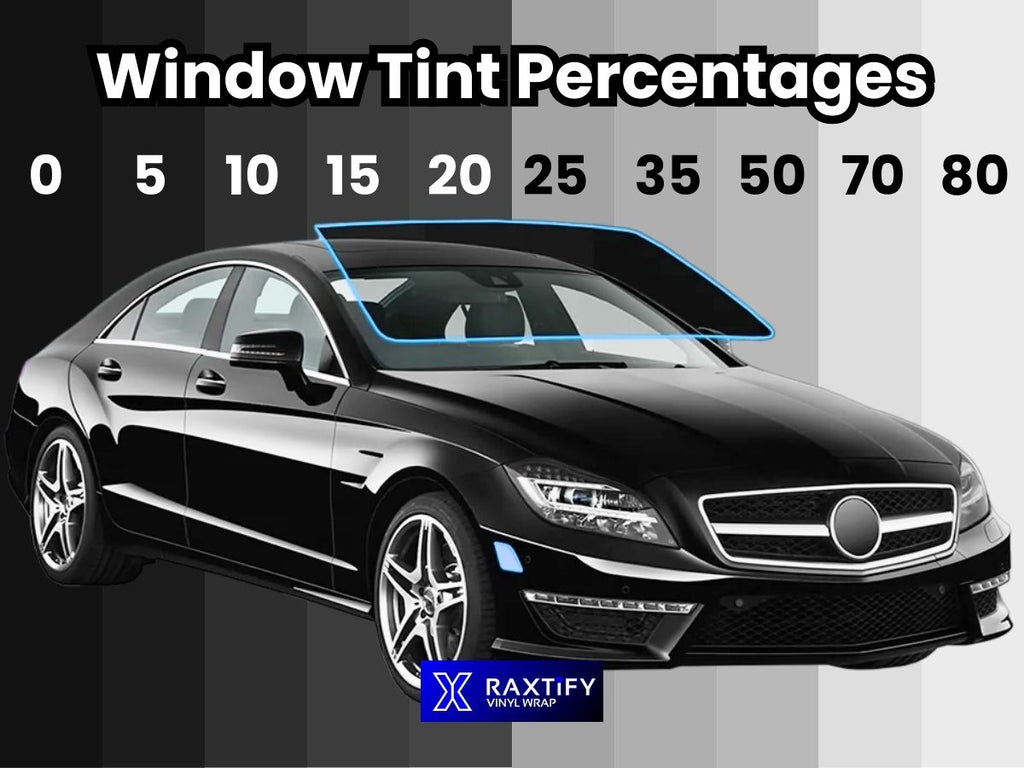
Understanding window tint percentages is essential before choosing the right shade for your vehicle. The number you see on a tint film—such as 5%, 15%, 35%, 50%, or 70%—refers to its Visible Light Transmission (VLT). VLT measures how much visible light can pass through the tinted glass.
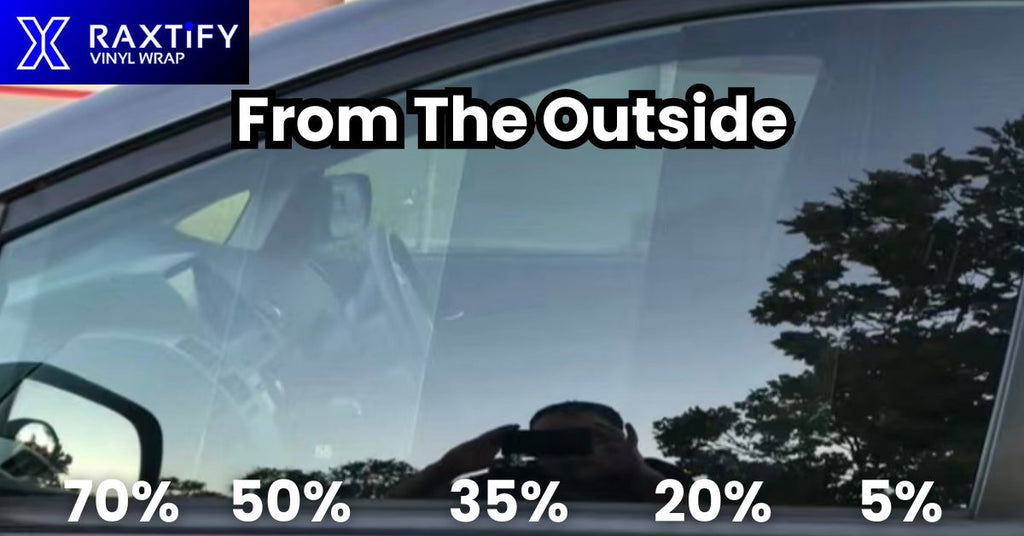
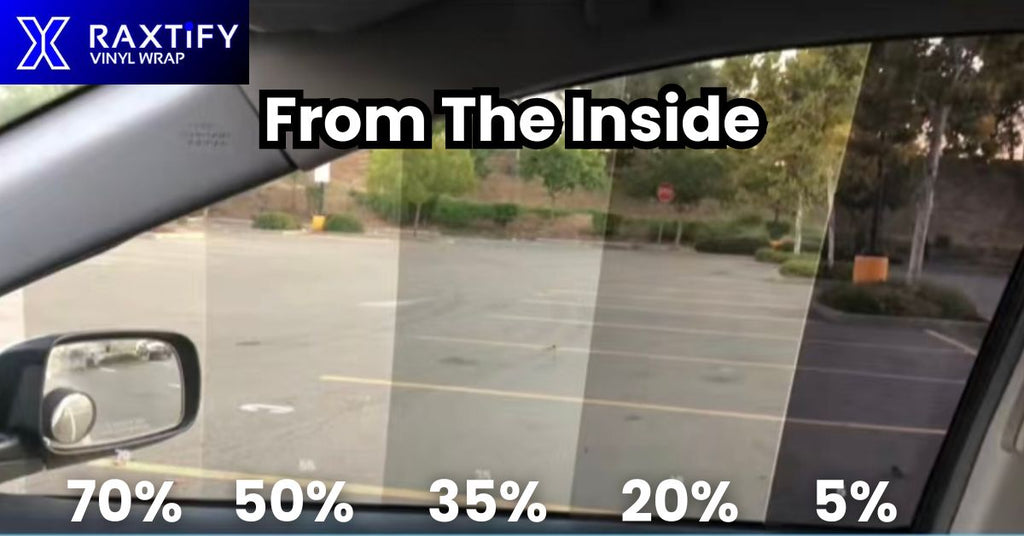
For example, a 25% window tint allows only 25% of outside light to enter the cabin, resulting in a significantly darker appearance compared to untinted or lightly tinted windows. On the other hand, a 70% tint lets in most of the light, offering a more subtle and factory-like look while still providing UV protection.
The key rule to remember is: The lower the VLT percentage, the darker the tint.
Different VLT levels serve different purposes, whether you're aiming for improved privacy, reduced glare, heat rejection, or simply a more stylish look. Choosing the correct percentage helps ensure a balance between visibility, comfort, legal compliance, and overall vehicle aesthetics.

What You Need to Know About Window Tint Percentages
Choosing the right window tint percentage involves much more than picking a shade that looks good. Your VLT selection should balance legal compliance, driving safety, visibility needs, and personal preference. Understanding these factors beforehand helps you avoid fines, improve cabin comfort, and ensure safer driving both day and night.
Legal Problems
Each state within the U.S. has its legislation on the dark tint that you can have on your window. Such legislations usually provide acceptable levels of VLT in the windshield and front side windows, rear side windows and rear windshield. The consequences of not adhering to these rules are:
- Costly citations or tint removal orders
- Failed vehicle inspections
- Insurance complications in the event of an accident
Due to the variety of tint laws, California has one limit, New York has another, Texas has a third, and Florida has a fourth, it is important to look at your local laws to see what your limit is and then which tint to select.A good number of our customers have just evaded the punishments by just checking the limits of VLT in their state beforehand.

Common Tint Limits
While exact rules differ by state, most tint laws follow similar patterns. Here are some of the most common legal VLT ranges across the U.S.:
- Front Windshield: Usually only a top shade band or a minimum of 70% VLT
- Front Side Windows: Commonly required to be between 35%–70% VLT
- Rear Side Windows: Many states allow darker tints, often 20%–35% VLT, and some states allow any darkness
- Rear Windshield: Similar to rear side windows; many states permit darker shades
These limits are designed to balance driver visibility, road safety, and law enforcement visibility into the vehicle. Before choosing a tint percentage, compare your preferred VLT with your state’s regulations to ensure your setup remains both stylish and compliant.
Safety Issues
Darker colors may cause much loss in visibility especially when driving at night or in a dark setting.Although tinting the windows is a good solution to avoid glare and UV rays, too dark tints can:
- Limit your ability to see pedestrians or cyclists
- Reduce depth perception
- Narrow peripheral visibility
- Increase reaction time in emergencies
Professional installers often recommend a balanced tint that enhances comfort without compromising your field of view.
Visibility Concerns
Setting a percentage of the tint in the window that is too dark, particularly on the front side windows, can render night driving very difficult. Lowly lit roads may be hazardous where your windows are too dark to see the hazards, traffic or even the state of the road. That is why lots of states have more strict VLT requirements on the front windows than on the back.
Benefits vs. Safety
The ideal tint should:
- Comply with local tint laws
- Maintain clear visibility at night
- Offer UV and heat protection
- Enhance privacy and aesthetics
- Improve overall driving comfort
Professional installation ensures the film is correctly applied, bubble-free, and aligned with your state’s legal guidelines.
Darker tints provide superior UV protection, reduce interior heat, and enhance privacy—but your final decision should strike the right balance between style, safety, and legal compliance.
What Window Tint Percentages Offer and Why They Are Useful
Understanding how each window tint percentage affects visibility, styling, comfort, and safety is essential before choosing the right VLT level. VLT—Visible Light Transmission—tells you how much visible light is allowed to pass through a tinted window. Lower VLT percentages allow less light in, resulting in a darker appearance; higher percentages look lighter and more factory-like.
Below is a breakdown of the most common tint percentages we see in real installations across the U.S., along with how each one performs in everyday driving.
80% Window Tint – Light Appearance and Barely Noticeable
- Light & Subtle: Allows most natural light to pass through with minimal glare reduction.
- Advantages: Nearly invisible look, UV protection, excellent daytime and nighttime visibility.
- Best For: Front windshields or drivers wanting a “factory-clear” look (where legal).
An 80% tint is one of the lightest options available. It blocks harmful UV rays and mild glare without changing the car’s original appearance. Many drivers prefer 80% because it provides measurable protection while remaining almost completely transparent.
70% Window Tint – Clear Protection With Comfort Benefits
- Slightly Darker: A touch darker than 80%, offering better glare control and UV rejection.
- Advantages: Reduces interior fading, lowers cabin temperature, supports better daily comfort.
- Best For: Front windows in U.S. states that allow light factory-style tinting.
A 70% tint allows about 70% of light to pass through while blocking the remaining 30%. This level noticeably reduces heat and glare without affecting visibility. It is one of the most popular legal options for front windows across the U.S.

50% Window Tinting – Balanced Visibility and Comfort
- Balanced Option: Ideal balance between clarity, privacy, and sun protection.
- Advantages: Reduces glare without dimming visibility; blocks UV rays; lowers eye strain.
- Best For: Long-distance drivers, commuters, and those wanting comfort without a dark look.
This tint allows roughly half of sunlight to pass through, making it a comfortable and practical everyday choice. Many states permit 50% on the front windows, but always confirm local regulations before installation.

35% Window Tinting – Popular, Stylish, and Practical
- Popular Choice: Offers a sleek appearance with strong heat and glare control.
- Advantages: High UV protection, reduced AC usage, clean modern style.
- Best For: Side and rear windows; commonly chosen by owners wanting privacy without sacrificing clarity.
35% is one of the most frequently installed tint percentages. It provides noticeable cabin cooling and privacy while still being safe for nighttime driving. However, because laws vary, confirm whether 35% is legal for your front windows in your state.

25% Window Tint - Noticeably Dark and Privacy-Focused
- Dark Appearance: Provides strong privacy and a bold, premium look.
- Advantages: Significant heat reduction, stylish aesthetic, reduced glare.
- Best For: Drivers wanting enhanced privacy—rear windows in most states.
A 25% tint allows only a quarter of outside light into the vehicle. It rejects a large portion of heat and glare but can reduce visibility in low-light conditions. Always confirm your state’s VLT laws before choosing 25% on front windows.
20% Window Tint – Factory-Like Finish for SUVs
- Factory-Level Darkness: Similar to OEM tint on many SUVs and trucks.
- Advantages: High privacy, strong glare reduction, comfortable cabin temperatures.
- Best For: Rear passenger and cargo windows.
A 20% tint allows about 20% of light into the cabin. It's stylish and commonly used on factory SUV rear windows. However, because visibility decreases significantly at night, most states restrict 20% on front windows.
15% Window Tint – Strong Privacy and Heat Rejection
- Dark Look: Offers substantial privacy and excellent heat rejection.
- Advantages: Hides valuables, reduces glare and interior sun exposure.
- Best For: Rear windows, cargo areas, larger vehicles.
A 15% tint blocks about 85% of incoming light. It’s highly effective for privacy, though visibility challenges can occur in darker environments. Check your state’s regulations before applying this shade.

10% Window Tint – Maximum Privacy On the Road
- Very Dark Tint: Nearly opaque from the outside, even under sunlight.
- Advantages: Ultimate privacy, exceptional UV protection, great glare management.
- Best For: Rear windows on vehicles requiring high privacy.
10% tint allows only 10% of light through and blocks the remaining 90%. It provides a very secluded interior environment but reduces nighttime visibility significantly. Not legal for front windows in the majority of states.
5% Window Tint: The “Limo Tint” Standard
- Ultra-Dark: Known as limo tint; extremely limited visibility from the outside.
- Advantages: Maximum privacy, excellent glare reduction, strong UV and heat blocking.
- Best For: Rear windows, specialty vehicles, or areas where rear visibility is not essential.
This level blocks 95% of light and creates a luxury, premium look. Because it heavily restricts visibility, 5% is illegal on front windows in nearly every U.S. state. Always confirm local laws before installation.

0% Window Tint - Total Blackout (Not Street Legal)
- Opaque Effect: Blocks virtually all visible light.
- Advantages: Complete privacy, total UV and heat rejection.
- Best For: Show cars, display vehicles, off-road use only (not legal for street use).
A 0% tint—also known as blackout film—offers maximum privacy and protection but severely restricts visibility, making it unsafe for public roads. Because of this, all U.S. states prohibit 0% tint on all street-driven vehicles.
Deciding on the Right Shade of Window Tint for Your Vehicle
Choosing the right window tint percentage requires finding the right balance between visibility, comfort, UV protection, privacy, and legal compliance. Based on our experience working with installers and customers across the U.S., most drivers choose a shade that offers both daytime comfort and safe nighttime visibility.
In many states, front driver and passenger windows must allow around 50% VLT or higher to remain legal. Rear side windows and the back windshield are usually allowed to be darker—often 35% VLT or lower, depending on the vehicle type and state regulations.
This is why 35%–50% VLT remains the most popular range:
- It provides meaningful UV and heat rejection
- Maintains clear visibility at night
- Adds privacy without making the vehicle look overly dark
- Passes legal requirements in many U.S. states
Darker tints, such as 20% or 15%, offer stronger privacy and superior glare reduction, but they may reduce visibility in low-light conditions and are often restricted on front windows.
Before selecting a tint, always verify your state’s VLT regulations and consider how you drive—daytime commuters, nighttime drivers, and SUV owners often choose different percentages. Matching your tint level to both your lifestyle and local laws is the best way to ensure safety, comfort, and compliance.
Learning About Determining Tint Percentage
Choosing the right window tint percentage is straightforward when you’re working with untreated factory glass. But if your vehicle already has a tinted surface, it becomes essential to determine its current VLT (Visible Light Transmission) before adding a new layer of film. Applying additional tint without checking the existing darkness is one of the most common reasons drivers accidentally violate state tint laws.
How to Calculate Combined VLT
When a new tint film is applied over factory-tinted glass, the final VLT is calculated by multiplying the VLT of the glass by the VLT of the film:
Example:
- Factory glass VLT: 60%
- New tint film VLT: 50%
60% × 50% = 30% total VLT
This means your finished window would allow only 30% of visible light to pass through—which may or may not be legal depending on your state.
Important Concepts in Window Tinting
Understanding a few key terms will help you make smarter, more confident decisions when choosing the right window tint for your vehicle. These concepts affect legal compliance, visibility, comfort, and the overall performance of your tint.
Visible Light Transmission (VLT)
VLT refers to the percentage of visible light that can pass through the window after tint is applied.
- Higher VLT (70%–90%) = lighter tint, more visibility
- Lower VLT (5%–35%) = darker tint, less light entering the cabin
For example, a 20% tint allows only 20% of light through, making it significantly darker than a 50% tint. VLT is the primary metric used in state tint laws, so choosing the correct percentage is essential for compliance.
Shade Band
A shade band is a strip of tint film installed along the top portion of the windshield. Its purpose is to reduce sun glare and improve visibility during daytime driving without obstructing the driver’s forward view. Professional installers often recommend shade bands for drivers who frequently commute during sunrise or sunset—when glare is the strongest.
AS1 Line
Most windshields come with a small marking called the AS1 line, typically found near the upper corners of the glass.
This line indicates the manufacturer’s maximum legal height where tint can be applied on the windshield.
Many states require any windshield tint (including shade bands) to remain above the AS1 line, so it’s an important reference for staying within legal boundaries.
Tint Reflection
Tint reflection refers to how shiny, metallic, or mirror-like the film appears. Reflective tint can:
- Improve heat rejection
- Reduce glare
- Enhance privacy
However, some states place strict limits on reflectivity because highly reflective films may affect road visibility or distract other drivers.
If you're considering a metallic or mirrored tint, always review your state’s regulations—or speak with a professional installer who understands local laws.
Frequently Asked Questions About Window Tint
Q1: Can I apply aftermarket window film on top of my car’s factory tint?
A1: Yes—aftermarket tint can be applied over factory-tinted glass, and many drivers choose this option to increase privacy or heat rejection. Factory tint is usually a dyed tint inside the glass, while aftermarket films provide additional UV rejection (up to 99%) and improved solar heat reduction.
However:
Layering films will lower the overall VLT, making the window darker
This may unintentionally make your tint illegal in your state
If your vehicle already has factory tint, we strongly recommend having the VLT measured with a tint meter before choosing a shade.
Q2: What is the darkest legal tint I can use?
A2: Tint laws vary widely by state. In many states, the darkest legal tint is:
- Front windows: 35%–70% VLT
- Rear windows: sometimes as dark as 20% or even 5% (depending on state)
- Windshield: typically only a shade band or limited to 70%+ VLT
There is no universal darkest legal tint—it depends entirely on where you live. Always check your state’s tint laws or consult a professional installer to avoid violations.
Q3: How much tint is allowed on the front windshield?
A3: Most U.S. states do not allow dark tint on the full windshield.
Common regulations include:
- Windshield must allow 70% or more of light through
- Only a shade band (above the AS1 line) may be tinted
- Reflective or colored tints may be restricted depending on your state
Driving with an illegally tinted windshield can lead to fines, inspection failure, or tint removal orders. When in doubt, check your state’s DMV or ask a certified installer.
Q4: How do I choose the best window tint for my car?
A4: To find the right tint, consider:
- Local tint laws – this determines what VLT percentages are legal
- Your goals – privacy, heat rejection, UV protection, appearance, or glare reduction
- Film quality – higher-grade films last longer and offer better performance
Trusted suppliers – choose brands with strong reviews and warranties (like RAXTiFY)
We recommend checking customer reviews, verifying VLT performance, and ensuring the film meets industry standards such as UV400 protection and IR heat rejection data.
Q5: Will darker tint keep my car cooler?
A5: Yes—lower-VLT films and IR-rejecting tint can significantly reduce interior heat. However, the technology of the film matters more than darkness. Modern ceramic or nano-coated films can outperform dark dyed films while remaining legal on more windows.
Q6: Does window tint affect nighttime visibility?
A6: It can. Dark films like 5% or 15% VLT reduce nighttime visibility, especially in low-light areas. Many daily drivers prefer:
- 35% for balanced visibility
- 20% for more privacy but still usable at night
If you frequently drive at night, avoid extremely dark tints on the front side windows.
Q7: How do I measure my current tint level?
A7: A handheld tint meter is the most accurate way to determine VLT. Many tint shops—including RAXTiFY partner installers—offer free or low-cost VLT checks. This helps ensure your new tint remains legal before installation.
Exploring the Spectrum of Window Tint Hues
Unless you just want to be able to tint the windows in your car with black, as a cooler and more personalized option than the conventional black, a great idea would be to experiment with color-stained films to increase the flair and performance of your vehicle. The color films available today are in a diverse variety of colors and VLTs, and you can make your car look unique and yet increase the comfort, UV and heat blocking.
Although the most popular is classic black as the color of choice in terms of privacy and sun protection, most drivers are opting to use more exuberant shades like blue, bronze, charcoal, gold, and gray. Not only are these color options higher in quality to boost the appearance or your vehicle, but also provide varying levels of light control and reflectiveness to fit your driving conditions.
RAXTiFY proposes high quality heat-reflecting, color-shifting window decorations that are designed to provide not only a breathtaking and beautiful look but also year-long solar coziness:
- 75% VLT Heat-Rejecting Color Shift Purple Window Tint Film: A light and elegant tint that appears clear with a soft purple iridescence—perfect for front windshields or panoramic roofs where visibility is essential.
- 70% VLT Heat-Rejecting Chameleon Blue-Yellow Window Tint Film: A dynamic, color-changing film that shifts between blue and golden tones depending on lighting angles. It dramatically enhances style while keeping your cabin noticeably cooler.
- 20% VLT Heat-Rejecting Chameleon Dark Purple Window Tint Film: Deep, bold, and dramatic. This option delivers strong privacy and maximum visual impact—ideal for drivers looking for a head-turning finish.
Check State Laws Before Choosing a Tint Color
Tinted windows can give your car a new look, though you are not allowed to have any color of window tinting or reflective qualities in some states. Check your local tint laws before you settle on a shade, or you will discover that there will be fines, or even inspection problems.
By choosing a shade that does not violate the laws of several areas, you can easily keep within the law and have a personalized appearance in case you travel or cross state borders quite often.
Final Words
Before choosing a window tint, it’s essential to understand your state’s tint laws and consider the level of visibility, privacy, and heat rejection you need for daily driving. Darker tints can dramatically reduce glare and interior heat while giving your vehicle a sleek, modern look—but staying within legal limits ensures a safe and stress-free driving experience.
When it comes to tint films, quality matters. High-grade films offer better clarity, stronger UV protection, and long-term durability, preventing issues like fading, bubbling, or discoloration over time. If you’re unsure which VLT percentage or shade is right for your vehicle, consult a professional installer or reach out to a window tint specialist at RAXTiFY for personalized guidance.
If you’re ready to explore premium options, RAXTiFY offers an advanced line of heat-rejecting window tint films available in multiple VLT levels and unique chameleon color finishes. Our films are engineered to enhance comfort, elevate style, and keep your ride cooler—no matter where you drive in the U.S.