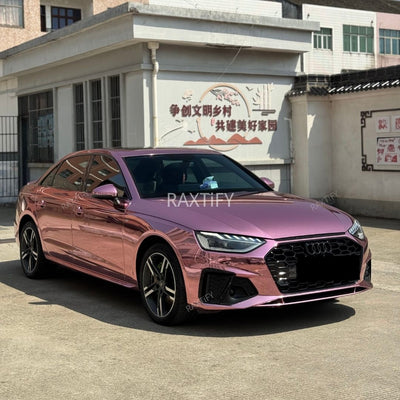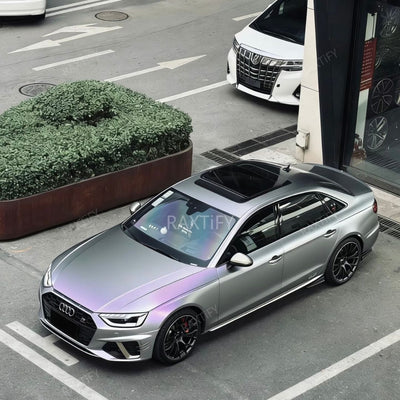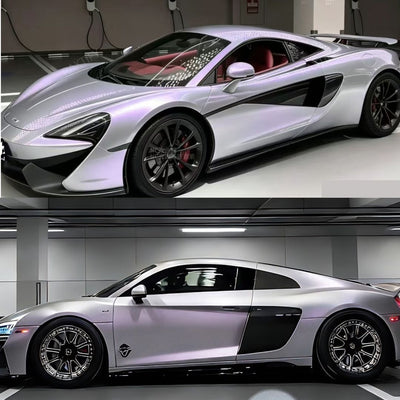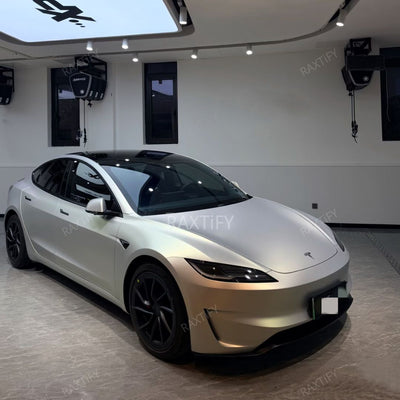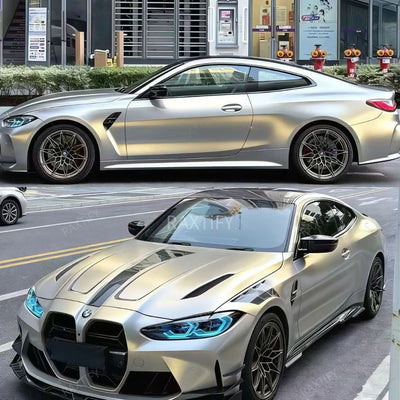

The cost to vinyl wrap a bicycle depends on the bike size, frame shape, vinyl film quality, finish, design complexity, and whether you install it yourself or hire a professional. DIY bicycle vinyl wrap is usually more affordable, while professional installation costs more because bike frames have curved tubes, tight joints, forks, chainstays, and small detailed areas that require careful application. If you are still choosing the look, start by comparing different bicycle vinyl wrap colors before deciding whether to wrap the full frame or only selected parts.

Average Cost to Vinyl Wrap a Bicycle
The cost of a basic bicycle frame or bicycle partial wrap with vinyl wraps is typically in the range of $100 to $500 in the USA, depending on the wrap shop. For full bicycle frame wrap, custom graphics, printed designs, color shift film, chrome style finishes, or more intricate panel work, the price may be higher due to the amount of curves, tubes, joints and small detail areas in bicycle frames.
In a bicycle frame, careful trimming, stretching and edge finishing of the frame is necessary around the top tube, down tube, seat tube, fork, chainstays and around any small connection points. One of the reasons professional bicycle wrapping is more expensive than bike owners expect it to be is because a bike does not require as much vinyl as a car.
Here is a general cost guide:
| Bicycle Wrap Type | Estimated Cost | Best For | Notes |
|---|---|---|---|
| DIY bike frame wrap | Lower material cost | Small accents, frame protection, simple color changes | Good for experienced DIY users with basic wrap tools. |
| Simple single-color frame wrap | $100–$200+ | Clean color change or basic bike frame customization | Usually less expensive than printed or complex designs. |
| Custom printed bicycle wrap | $300–$500+ | Graphics, logos, patterns, fades, and race-style designs | Design work and panel alignment can increase the total cost. |
| Professional full bike wrap | Varies by shop | Road bikes, mountain bikes, e-bikes, and full custom builds | Labor rates are usually higher in major U.S. cities or for complex frames. |
| Bike wrap removal | Varies | Changing colors or returning to the original bike finish | Cost depends on film age, adhesive condition, and paint condition. |
The amount may vary depending on the type of bicycle, the shape of the frame, wrap material, design complexity and the labor rates for the area. The time required to install the bike will vary depending on the type of bike, as the frame layouts and removable parts aren't the same across all bikes, whether road bike, mountain bike, BMX bike, or e-bike.
If you do not want to wrap the bike yourself, you can find professional vinyl wrapping companies near you using the RAXTiFY's Car Wrap Near Me page. Please ask the installer if they are capable of working on bicycle frames, small parts, or custom wrap projects before booking, as not all car wrap shops are bike friendly.

Bicycle Vinyl Wrap Cost Breakdown
The price of wrapping a bicycle in vinyl is based on the amount of bicycle material to be covered, the vinyl film used and whether it is done by the vinyl wrapper or by yourself. Accent wraps tend to be cheaper than full frame wraps, and if custom graphics, printed designs or complex color finishes are added on, they can add to the overall cost.
The cost of bicycle wrap is typically broken down into four categories for most riders: DIY material cost, professional installation cost, cost of custom design and potential removal/rewrap cost.
DIY Bicycle Wrap Material Cost
In most cases, the DIY vinyl bike wrap will cost less than purchasing the wrap off the wall, as you're simply paying for the vinyl wrap and some basic tools. It is suitable for small areas like the top tube, fork, chainstay, seat tube or accent panels.
But having a bicycle frame with a lot of curves, tiny tubes, joints and corners with little room to maneuver, even DIY can be a wait of patience. Additional tools that could be needed include a squeegee, a heat gun, a precision knife, microfiber towels, and a surface cleaner. If you are new to vinyl wrap, it is best to begin with smaller areas first and then make the full frame wrap.
For those who wish to change the color of the bike with budget-friendly wrapping materials, opt for small areas of protection or simple accent details, DIY wrapping also has its advantages.
Professional Bicycle Wrap Installation Cost
A professional bicycle wrap installation is typically more expensive than a DIY job since you're paying for the time it takes to prepare the surface, cut the wrap, align the wrap, and experience of the professional. A trained professional will be better equipped than a novice to deal with curved tubes, tight frame geometry, cable areas, forks and small components.
It is suitable for full frame wraps, expensive bikes, carbon frames, custom graphics and any rider looking for a cleaner finish. If you are seeking a little professional assistance, you can utilize a car wrap near me page to discover wrap installers in your area and then inquire if they work with bicycle frames or little custom wrap tasks.
Installing small accent wraps can be done in the same fashion as a bicycle wrap, but it usually isn't necessary, and for a full wrap it can be worthwhile for a cleaner edge, fewer bubbles and better long term results.

Custom Graphics or Printed Wrap Cost
A custom print bicycle wrap (usually a multiple color wrap) will typically be more expensive than a single-color wrap. This is because the design might need additional set up, printing, layout, color matching and more diligent installation steps.
For one of a kind designs, camo, fade, brand graphics, sponsors logos or team bikes, custom printed wraps are an excellent choice. The more specific the design the longer it could take to print and place into position.
When the desire is to get a simple color change a basic vinyl color may be sufficient. Printed graphics or custom graphics can be a better option if you're looking for something that's one-of-a-kind and no one's wearing.
Wrap Removal or Rewrap Cost
However, if your bike has an old cyclist wrap, you may have to take that off first before fitting a new cyclist wrap. The removal cost is dependent on the length of time the vinyl has been in place, the quality of the original installation and the presence of any residue from the original adhesive.
If an extra cleaning or removal of adhesive from the surface or surface preparation is required, it can result in an additional expense for a rewrap that is more costly than a first-time wrap. Old, cracked, sun damaged or poorly installed vinyl requires more time to remove.
To achieve the maximum benefit, gently peel the old film off and ensure that the bicycle frame is clean, dry and free of rough edges before wrapping it with the new film.

What Affects the Cost to Vinyl Wrap a Bicycle?
The overall price of a bicycle vinyl wrap can vary with a number of factors. The most important elements are the design, the type of film used, the shape of the bike frame, the amount of the bike to be wrapped and labour costs in the area.
A simple partial wrap with a regular gloss colour will typically be cheaper than a complete wrap with multiple curves, colour and/or finishes.
Bicycle Frame Size and Shape
Bicycle frame size and shape may impact on materials and installation. Each type of bike (road, mountain, BMX, gravel, and e-bikes) features a unique frame configuration, tube shape, and component layout.
A smooth simple frame with tubes might be easier to wrap. If you're using a mountain bike or e-bike with more complex angles, suspension areas, or narrow corners, it could take longer. For aero frames, full suspension bikes and carbon frames, there are also some extra considerations when it comes to installation.
In general, the more complex the frame shape is, the more time the wrap may take.
Full Frame Wrap vs Partial Wrap
A full frame wrap will typically cost more than a partial wrap due to the amount of vinyl needed, amount of cutting, the need to align the vinyl, and the time spent on installation. A complete bicycle wrap can cover the top tube, down tube, seat tube, chainstays, seatstays, fork and other parts of the frame that are visible.
It is generally much cheaper to do a partial wrap and it will still give a lot of visual appeal. Popular partial wrap locations are the fork, top tube, down tube, chainstay, or accent sections. Ideal for those who wish to give their bike a facelift without fully covering it.
Riders that primarily wish for style accents or paint protection at high-contact areas might be better served with a partial wrap. To achieve a full color change, a full frame wrap is more suitable.
Vinyl Film Quality and Finish
The type and quality of the vinyl film may also have an impact on the cost. Most frequently, the standard gloss or matte vinyl finishes are less expensive than specialty finishes like chrome, carbon fiber, metallic, color shifts, satin chrome, and printed graphics.
Finish also has an impact on the appearance of the bike. Bright and shiny vinyl frame finish due to gloss vinyl. With matte vinyl, you get a more subdued and clean appearance. Colour shift and metallic films give an additional depth and interest. Carbon fiber vinyl can be used in places like forks, frame accents and small detail areas.
If you're still deciding on color or finish, you can check out 2026 best vinyl wrap colors before making your final decision.
Design Complexity
One of the largest expenses is the complexity of the design. A single-color wrap is typically the simplest and quickest to install, compared to a multi-color wrap, camo wrap, fade wrap, logo wrap or custom printed wrap.
For more complex designs additional time in the design phase, layout changes, printing, panel matching and careful installation may be necessary. On bikes this is even more critical, as the frame sports a number of small tubes and curved sections, so the design must be created to gently stream through the bike.
Use a simple colour or finish if you're looking to improve the appearance and save money. A race bike appearance, sponsor graphics or a custom appearance or branding, or a one-of-one appearance will have a higher price.
Local Labor Rates in the USA
Cost of the professional bicycle wrap can also differ from area to area. Typically, you'll find labor costs are higher in larger cities, high cost regions, and shops with greater wrap experience in the USA. A small local installer will have different pricing than a specialty wrap shop that installs to custom vehicles, motorcycles, bikes and detailed graphics.
If you hire a pro to install the battery, make sure that they have experience installing on bicycle frames. Bikes are not as big as cars but they are not that easy to wrap, as you need to wrap around the tubes, edges, joints, and components.
Also, you should find out what's covered in the quote; for example, whether they are cleaning the surfaces, disassembling, replacing the vinyl material, designing the new material, installing it, trimming it, and removing old vinyl film if there is any.

How Much Vinyl Do You Need to Wrap a Bicycle?
The number of vinyl pieces required to wrap a bicycle varies according to the type of bike, frame size, tube shape, fork design and whether the bike is being wrapped the whole frame or just certain accent sections. An e-bike or mountain bike will typically require more vinyl than a basic road bike, due to the amount of thin tubing and the number of large surfaces involved.
A simple rule to remember is: Measure the main frame tubes and fork, then buy 25-30% more vinyl to cut off, curve, overlap, and err on the side of error!
In most bicycle vinyl wrap projects it's safer to order a little more than the measured amount of vinyl wrap. Bicycle frames feature narrow tubing, sharp curves, weld points, bottle cage mounts, cable guides and small corners that may lead to additional waste when cutting and installing the frame.
| Bicycle Type | Estimated Vinyl Needed | Best For | Notes |
|---|---|---|---|
| Road Bike | About 6–8 sq ft | Full frame and fork wrap | Slim tubes usually require less material, but clean cutting is important around the fork, head tube, and chainstays. |
| Mountain Bike | About 7–10 sq ft | Full frame, fork, and selected accent areas | Larger tubing, suspension areas, and more complex frame shapes may require extra vinyl. |
| BMX Bike | About 4–6 sq ft | Small frame wrap or accent wrap | BMX frames are smaller, but curved tubes and tight joints still need extra material for trimming. |
| E-Bike | About 9–14 sq ft | Larger frame sections, battery cover, and full custom wrap | E-bikes often have bulkier frames, battery housings, and larger surface areas, so they usually need the most vinyl. |
Is It Cheaper to Wrap or Paint a Bicycle?
Vinyl wrapping a bicycle can often be less costly and more flexible than repainting the bicycle, particularly when only certain parts of the frame need to be wrapped and accented, or to try a new paint job before making any permanent changes. You can try a bicycle vinyl wrap without sanding, stripping, priming or repainting the whole frame which can save time and money.
If you want a permanent finish, a complete restoration or a factory repaint, painting a bicycle may be a better choice. But paint is more difficult to undo. It is generally necessary to repaint it if you want to change the colour after it is painted.
For those who wish to have color options, vinyl wrap is a better option. The films are available in gloss, matte, metallic, carbon fiber, color shift or custom print, and can be removed or shifted to another film later for a different style. This is particularly beneficial for owners of bikes who enjoy changing the appearance of their bike, safeguarding certain sections of the frame, and coordinating a cycle with a vehicle, team color or their own design.
If you're still deciding on a finish, you can check out more bicycle vinyl wrap colors so you will understand if a whole bicycle wrap, partial bicycle wrap, or accent bicycle wrap is the most effective choice for your bicycle.
DIY Bicycle Vinyl Wrap vs Professional Installation
Bicycle vinyl wrapping is typically the more economical choice but it takes patience, clean preparation, and attention to detail regarding curved tubes, bicycle joints, cable regions, forks and edges of the bicycle frame. A bicycle frame is smaller than a car but it is not always easier to wrap. These narrow tube diameters and intricate shapes can prove more difficult than expected to align, extend, cut, and seal edges.
The top tube, down tube, chainstay, fork accents, decals or protective areas are the best options for DIY wrapping. For some simple panels or for a test of a color, a DIY option may be a good cost-saving choice. Here are a few essential tools you will still need: a squeegee, a heat gun, microfiber towels, cleaning solution and a sharp blade.
Professional installation is more expensive, but it could be a worthwhile option for full frame wraps, custom printed designs, complicated color schemes, or high dollar bikes. Surface preparation, alignment of panels, heat application, cutting and finishing around tight curves and edges can be handled by a professional installer. This is particularly useful when you require a clean finish, without wrinkles, bubbles, lifted edges or noticeable seams.
The decision for riders in the USA will depend on budget, bike value, complexity and experience level. For small accents, DIY might be sufficient. A complete bicycle vinyl wrap, graphics or a high-quality finish is generally a better option when the professional installation is preferred.
If you want professional assistance, you can search for a wrap installer in your area, but before booking, inquire if they are able to install wraps on bicycle frames, small parts or custom projects.
Best Vinyl Wrap Colors and Finishes for Bicycles
When selecting a vinyl wrap color for a bicycle, you need to consider both how you want the bike to look and the visibility you'd like to achieve in everyday riding, as well as the look you want if you're interested in a more customized design. The bicycle frame is smaller than that of a car, therefore, the finishing is all the more important. There is no need to repaint the frame to change the appearance of a bike with a gloss, matte, metallic, colour-shifting or custom printed wrap.
If you're still comparing colors, then check out more Bicycle Vinyl Wrap color ideas in our Guide to Bicycle Vinyl Wrap - Available In All Colors. Another best way to shop wraps is to use RAXTiFY's Shop Car Wraps by Color page to compare the black, white, red, blue, green, purple, pink, silver, gray and more wrap colors.
Gloss Bicycle Wraps
Gloss bicycle wraps are a strong choice if you want a clean, bright, and polished look. The smooth reflective finish makes the bike frame look newer and more eye-catching, especially in bold colors like gloss red, gloss blue, gloss black, or gloss white.
A gloss vinyl wrap works well for road bikes, commuter bikes, e-bikes, and riders who want a simple color change with a factory-paint-like appearance. It is also easier to match with other bike components, such as black wheels, chrome accents, or colored decals.
Matte Bicycle Wraps
Matte bicycle wraps create a softer and more understated look. Instead of reflecting light like gloss finishes, matte vinyl gives the frame a flatter and more modern appearance. Matte black, matte gray, matte military green, and matte navy are popular options for riders who prefer a low-profile style.
A matte wrap is a good fit for mountain bikes, urban bikes, gravel bikes, and riders who want a stealthier finish. However, matte surfaces may show fingerprints, dust, and scuff marks more easily than gloss wraps, so gentle cleaning is important.
Metallic Bicycle Wraps
Metal bicycle wraps provide the extra richness and shimmer to bicycle frames. The wraps feature a fine metallic effect that refracts light and gives a more dynamic look to the colour from various angles. Metallic colors (blue, red, silver, green and purple) can give a bicycle an upscale and personalized appearance.
If you are looking for an impact over its standard gloss color but without a full colour shift effect, then this finish will work for you. Metallic wraps are particularly ideal for road bikes, show bikes, custom builds, and e-bikes that have bigger frame surface areas.
Color Shift Bicycle Wraps
Color shift bicycle wraps are made to alter in color based on the angle of view, and light. A bicycle with color shift vinyl will look purple from one side, blue from another, and green and gold in the sunlight. This will give the bike a more distinctive appearance and it will stand out more.
Colorr shift wraps are ideal for riders who are looking for an extra flashy personalised appearance instead of a gradual colour change. They work great on curved bicycle frames, as the angles are changing to give emphasis to the shifting effect. High contrast color shift films can help highlight the finish on a smaller frame.
Custom Printed Bicycle Wraps

If you are looking for a design that is unique, you will want to have custom printed bicycle wraps. You can select a single color or finish, or design graphics, patterns, logos, racing stripes, fade effects or branded graphics for the frame. This is great for race bikes, team bikes, promotion bikes, business bikes, and custom bikes.
The bicycle wrap can also be partially customized for the top tube, down tube, fork, chainstay or seat tube. It enables you to make a distinctive design without covering the complete frame.

If you are looking for some more color ideas, you can also browse through RAXTiFY's Best Vinyl Wrap Colors For All Cars 2026. Although it's meant for car wraps, lots of the colors and finishes can be used in bike wrap designs, too.
How to Maintain and Protect a Bicycle Vinyl Wrap
Although the bicycle vinyl wrap is easy to maintain, it requires proper maintenance to keep its edges, finish and color clean. A wrapped bicycle frame should be gently cleaned and frequently inspected because of the exposure to sweat, road dust, mud, chain grease, sunlight, rain and regular handling. Care routine of the bicycle wrap can be used to help maintain the appearance and longevity of the wrap, with the right care routine, you can choose a gloss, matte, metallic, color shift or even custom printed bicycle wrap that will help to protect the surface.
Wash the Wrapped Bike by Hand
Hand washing is the safest method of cleaning a wrapped bicycle. Wash the frame clean with clean water and a pH neutral soap and use a soft microfiber towel or sponge to get the dirt, dust and road grime off of the frame. Do not scrub vigorously, particularly along the edges of the vinyl, around frame corners, fork, chainstays and small curves.
Dry the bike with a clean microfiber towel after washing, don't let water sit on the bike surfaces. This helps to minimize water marks, particularly on gloss, metal, chrome finish or dark wrap finishes. For bikes with matte or satin-finish, it's more critical to gently dry them, since excessive rubbing may damage the finish.
Avoid Degreasers and Harsh Cleaners
Drivetrain cleaning is frequently required on bicycles, but care should be taken with strong degreasers and on a vinyl-wrapped frame. Any solvents that contain chemicals, oils, brake cleaner, chain degreaser, alcohol-based cleaners or abrasive cleaners will damage the surface of the vinyl or may weaken the adhesive if they get on the wrap.
If using degreaser to clean the area of the chain, cassette, derailleur or crank, try to avoid the wrapped frame area. Should any cleaner come in contact with the vinyl, immediately wash with clean water and wipe down gently. Use products that are designed for vinyl wrap rather than household cleaners for routine frame cleaning.
Protect the Bike from Long-Term Sun Exposure
No vinyl wrap will last forever, and all are susceptible to the effects of long-term UV exposure, heat and outdoor storage. When not in use, keep your wrapped bicycle in a garage, under a cover or in a shaded area or indoors as much as possible.
This is particularly pertinent for bright-colored, printed, color change films, gloss metallic or dark wrap bicycles. The surface will age more quickly over time with regular exposure to the sun. When storing the bike, protection will prolong the colour and finish.
Be Careful with Pressure Washing
Be careful when pressure washing a wrapped bicycle. The high pressure may be able to push water under the edges, particularly at frame joints, seams, small tubes, cable areas and curved areas. Direct pressure may exacerbate the problem if the wrap is already lifted along one edge or if there is a small scratch in the wrap.
If you must clean the bicycle, do so with low pressure and a safe distance between the nozzle and the bicycle. Avoid spraying at edge of wrap, small wrapped areas and decals. Unless you are dealing with a pressure washered bicycle, hand washing is the safer choice for most wrapped bikes.
Check Edges and Scratches Regularly
As there are numerous small curves, contact points and high wear areas in a bicycle frame, this is the right time to check it periodically. Inspect the edges around the fork, top tube, down tube, seat tube, chainstays and bottom bracket area. Often dirt collecting, touched frequently or exposed to shoes, tools, bicycle racks, and road debris.
If you see that the edge is lifted, a small scratch or a damaged area, do not pull on it or scrub hard to remove them. Wash the area very gently and use a dry towel to dry it. If the damage is extensive or peeling, it might be better to replace the damaged area rather than allow the issue to continue.
If proper hand washing, proper cleaning of the drivetrain, proper storage in the shade, and regular checks of the edges are performed, a bicycle vinyl wrap can remain clean, colorful and protected. You can also view RAXTiFY shop vinyl wrap by color and shop by finish to get some ideas of different wraps before you select a film for your bike.

When Is a Bicycle Vinyl Wrap Worth It?
For those who want to alter the appearance of their bike without going so far as to repaint it, a bicycle vinyl wrap is a good option. For those seeking a fresh colour, a custom finish, frame enhancements, racing graphics and even additional visual protection for specific areas of the bike, it's practical.
This is particularly convenient when your bicycle frame is still in good condition but the colour is not quite right for you. Vinyl film is a great solution to add a clean and personalized look to the frame without having to sand, paint and refinish the frame. This makes it an ideal option for road bikes, mountain bikes, BMX bikes, E-bikes, commuter bikes, and custom bikes.
If you're only looking to wrap specific spots, like the top tube, down tube, fork, chainstay, seat tube or small accent panels, a bicycle wrap could be worth your investment. Partial wraps are typically less expensive than a full frame wrap, but can still provide the bike with a new custom appearance.
Vinyl wrap also offers a wider range of finish options than paint for those looking for variety in colour. Gloss, matte, metallic, satin, carbon fiber, color shift and custom printed are options available. If you are still looking for other colors and finishes, you can check out the other bicycle vinyl wrap color options here: Bicycle Vinyl Wrap - Available In All Colors
But, if the bike frame has sustained severe damage, is heavily scratched, rusted, or peeling paint is present, vinyl wrapping may not be worth it. Vinyl wrap must be applied to a clean, smooth, and stable surface to properly adhere. If the surface is badly damaged, it's important to repair the frame before wrapping.
In summary, buying a bicycle vinyl wrap is worthwhile when you desire a simpler and less dedicated way to update your bike's look, which can be altered easily and afterwards removed. Ideal for those who wish to get a fresh appearance without having to repaint the whole frame.

FAQs About Bicycle Vinyl Wrap Cost
Can I vinyl wrap a bicycle myself?
Yes. It is possible to vinyl wrap a bicycle on your own, as long as you are patient, have the right tools, and some experience with vinyl wrapping. Fewer parts, such as the top tube, fork, chainstay, and accent pieces are more accessible to beginners. It is more difficult to do a full frame wrap because bicycle frames have curves, joints, cables, and narrow tubes to navigate around to be cut and stretched.
What parts of a bicycle can be wrapped?
Typically, parts that can be wrapped include the top tube, down tube, seat tube, chainstay, flat or curved panels selected from the fork, frame accents, etc. Also some bikers use vinyl wrap for small decorative accents, logos or for protective areas. Generally, avoid moving parts, braking surfaces, drivetrain parts, and high friction areas.
Does vinyl wrap protect a bicycle frame?
Vinyl wrap provides some protection to covered areas against light scratches, minor scuffs, dirt and general wear and tear. But not the same as impact protection or heavy duty frame protection film. If used aggressively for mountain biking, gravel riding or high contact areas, a higher grade of protective film is recommended.
Can vinyl wrap be removed from a bicycle?
What is the best vinyl wrap finish for a bicycle?
How long does a bicycle vinyl wrap last?
The duration of a bicycle vinyl wrap relies upon film quality, installment, riding conditions, washing practices, sun exposure and storage. The gentler the brushing and the more a bike is protected from the elements and rough handling, the longer the wrapping will last on an indoor bike compared to a bike that is left outside on the elements and handled roughly.
Should I choose DIY or professional bicycle wrapping?
For smaller sections, simple accents or riders who prefer hands-on projects, DIY wrapping is a good option. Full frame wraps, complicated graphics, or expensive bikes that require a clean finish are better left to professionals. Alternatively, if you want to hire someone for the job, you can find a nearby wrap installer at the following link: [Car Wrap Near Me](https://raxtify.com/pages/car-wrap-near-me). Before booking, inquire if they install bicycle frames or small, custom Bike Wrap projects.
Final Thoughts: Is Vinyl Wrapping a Bicycle Worth the Cost?
If you desire a new look, a custom color or the option to replace the color, vinyl wrapping a bicycle may be worth the investment. It allows riders the flexibility to add gloss, matte, metallic, carbon fiber, colour shift or custom printed finishes to their bike without altering the frame.
This final cost will vary depending on the amount of bike you are wrapping, type of vinyl film you are using and whether you wrap the bike yourself or hire a professional. A partial wrap can be an economical approach to rejuvenate a small space, and a full professional wrap can prove to be a cleaner, more complete makeover.
When making a decision about a bike vinyl wrap, you need to take into account your frame condition, cycling habit, finish choice, and long-term objectives. When you have a clean and stable bike surface, vinyl wrap is a great option for enhancing the look without repainting the entire frame.
If you still have not settled on the color or finish you'd like, you might want to check out RAXTiFY's shop by color page.