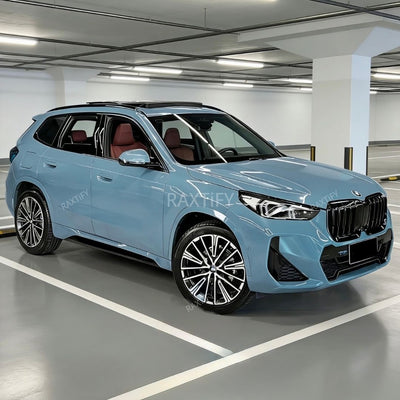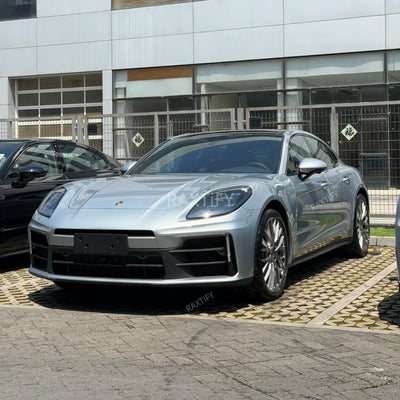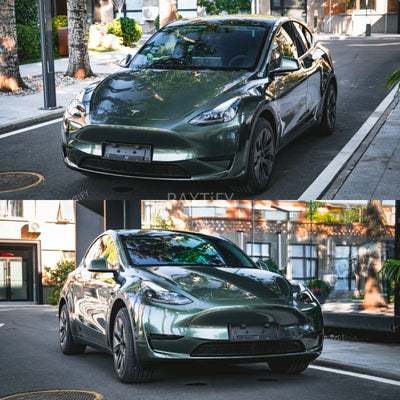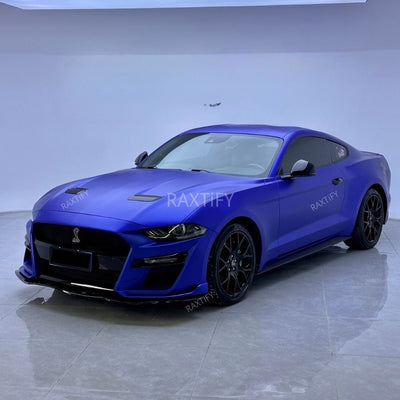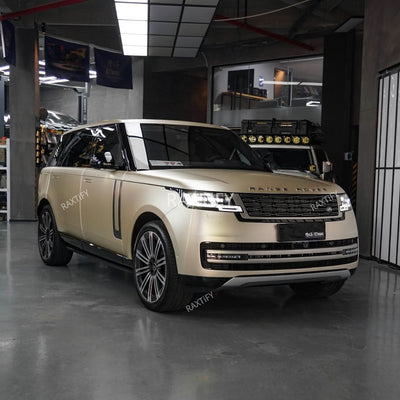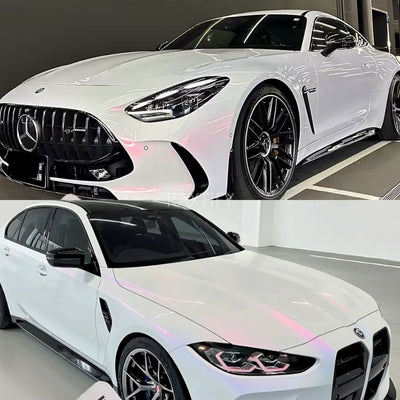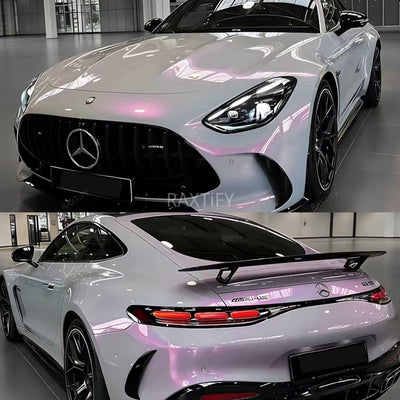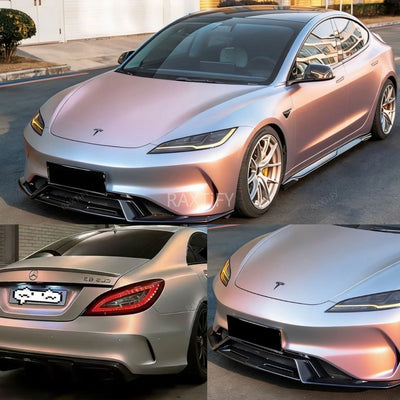

Paint protection film (PPF) and ceramic coating protect vehicle paint in different ways. PPF provides a physical barrier against rock chips, light scratches, road debris, and minor scuffs. Ceramic coating primarily adds water repellency, stain resistance, and an easier-to-clean surface. Because they address different risks, neither is a complete substitute for the other. For more comprehensive protection, PPF can be installed first, followed by a compatible ceramic coating.

PPF vs Ceramic Coating at a Glance
The main difference is simple: PPF is designed primarily for physical impact protection, while ceramic coating is designed primarily for surface protection and easier maintenance. The table below compares their most important characteristics.
| Feature | Paint Protection Film (PPF) | Ceramic Coating |
|---|---|---|
| Material | A flexible protective film, commonly made from thermoplastic polyurethane | A liquid coating that cures into a thin protective layer on the surface |
| Primary Purpose | Protecting paint from physical impacts and surface damage | Improving water repellency, stain resistance, gloss, and cleaning convenience |
| Rock Chip Protection | Strong protection against many small stones and road debris | Very limited; the coating is too thin to absorb meaningful impacts |
| Scratch Resistance | Better protection against light scratches, scuffs, and minor abrasion | May reduce minor wash-related marks but does not prevent deep scratches |
| Hydrophobicity | Varies by film; top-coated PPF may provide good water repellency | Usually provides stronger water beading and surface slickness |
| Chemical Resistance | Helps isolate the paint from bugs, bird droppings, road grime, and some contaminants | Provides a sacrificial surface against light chemical contamination and staining |
| Appearance | Available in clear gloss, matte, satin, and colored finishes | Usually enhances gloss, color depth, and surface smoothness without changing the vehicle’s color |
| Self-Healing | Some TPU films can reduce fine surface marks when exposed to heat | Generally does not provide true physical self-healing |
| Installation | Requires film positioning, stretching, trimming, and careful application around complex panels | Requires thorough cleaning, decontamination, paint preparation, even application, and curing |
| Maintenance | Requires gentle washing and prompt removal of contaminants | Makes washing easier but still requires regular cleaning and proper maintenance |
| Expected Lifespan | Designed for multi-year use; actual lifespan depends on the film, installation, climate, exposure, and care | Varies widely by coating type, paint preparation, driving conditions, and maintenance |
| Cost | Usually more expensive because of material cost and labor-intensive installation | Usually has a lower upfront cost, although professional paint correction can increase the total price |
| Best For | Drivers seeking protection from rock chips, road debris, scratches, and physical wear | Drivers prioritizing water repellency, gloss, stain resistance, and easier cleaning |
PPF is generally the better choice when protection from physical damage is the main priority. Ceramic coating is more suitable when the goal is a glossier, more hydrophobic surface that is easier to maintain. Because they perform different functions, the two products can also be combined for more complete paint protection.

What Is Paint Protection Film?
Paint protection film, commonly called PPF, is a transparent or colored automotive film applied over a vehicle’s painted surfaces. It creates a physical barrier between the paint and common road hazards, helping reduce damage from stone chips, light scratches, minor scuffs, insects, and environmental contamination.
Most modern PPF products are made from thermoplastic polyurethane, or TPU. Depending on the product, PPF can preserve the original paint finish, create a matte appearance, or change the vehicle’s color while adding a thicker protective layer than standard color-change vinyl wrap.
How Paint Protection Film Works
PPF is installed directly over clean, properly prepared automotive paint. Once applied, the film absorbs and disperses part of the force created by small stones, road debris, light contact, and other everyday hazards before that force reaches the painted surface.
Many TPU paint protection films use several functional layers, including an adhesive layer, a flexible polyurethane body, and a protective topcoat. The topcoat can help resist staining, oxidation, and surface contamination while making the film easier to clean.
Some PPF products also have heat-activated self-healing properties. Fine surface marks in the film may become less visible when exposed to sunlight, warm water, or controlled heat. This feature applies to minor marks in the film itself; it cannot repair deep cuts, dents, damaged paint, or severe impacts.

What Does PPF Protect Against?
Paint protection film is primarily designed to reduce physical and environmental damage to automotive paint. Depending on the film, installation quality, and driving conditions, PPF can help protect against:
- Rock chips caused by normal road use
- Small pieces of road debris
- Light scratches and wash-related marks
- Minor scuffs from everyday contact
- Bug splatter on exposed body panels
- Bird droppings when removed promptly
- Road grime, tree sap, and environmental contamination
PPF is particularly useful on high-impact areas such as the front bumper and hood, where road debris is more likely to strike the vehicle.
However, paint protection film does not make a vehicle scratch-proof or damage-proof. PPF can reduce damage from many common road hazards, but it cannot prevent every scratch, dent, cut, or impact. Strong collisions, sharp objects, neglected contamination, and severe abrasion can still damage the film or the surface underneath.
Types of Paint Protection Film
PPF is available in several finishes, allowing drivers to preserve the factory appearance or change the look of their vehicle while protecting the paint.
Clear Gloss PPF
Clear gloss PPF is designed to protect the paint without significantly changing its original color. Its glossy topcoat can maintain or enhance the reflective appearance of factory paint while shielding exposed panels from stone chips, light scratches, road debris, and contamination.
Clear gloss film is a common choice for new vehicles, luxury cars, sports cars, and owners who want protection without changing the vehicle’s factory appearance.

Matte PPF
Matte PPF creates a low-gloss, satin-like, or matte appearance while providing a physical protective layer over the paint. When applied over glossy factory paint, it can transform the vehicle’s finish without requiring a permanent repaint.
Matte PPF is suitable for drivers who want a more understated appearance while retaining the protection associated with polyurethane film. It can also be used to protect factory matte paint, although the selected film must be compatible with the original finish.
Colored PPF
Colored PPF combines color customization with paint protection. Unlike clear film, it changes the visible color or finish of the vehicle while maintaining a thicker protective construction than conventional color-change vinyl wrap.
Available options may include gloss, metallic, satin, matte, pearl, and other specialty finishes. Colored PPF is a practical choice for drivers who want to change their vehicle’s appearance while also improving resistance to stone chips, light scratches, and road debris.

Explore the RAXTiFY Color PPF Collection to compare different colors and finishes for full-body or customized vehicle applications.
Where Is PPF Commonly Applied?
Paint protection film can be installed on selected high-impact areas or across the entire vehicle.
Common application areas include:
- Front bumper: Frequently exposed to stones, insects, and road debris
- Hood: Particularly the leading edge and other forward-facing sections
- Front fenders: Vulnerable to debris thrown from nearby tires and vehicles
- Side mirrors: Small, exposed surfaces that often receive direct impacts
- Rocker panels: Susceptible to gravel, mud, and debris from the tires
- Door edges: Helps reduce minor chips and scuffs caused when opening doors
- Full-body coverage: Provides more consistent protection and can support a complete color or finish change
Partial-front PPF is commonly chosen to protect the areas most likely to receive road impacts, while full-body coverage is better suited to owners seeking broader protection or a complete transformation with matte or colored PPF.
What Is Ceramic Coating?
Ceramic coating is a liquid surface-protection product applied to automotive paint, paint protection film, wheels, glass, or other compatible exterior surfaces. After application, it cures into a thin, bonded layer that improves water repellency, reduces the adhesion of dirt and contaminants, and makes routine washing easier.
Unlike paint protection film, ceramic coating is not a thick physical barrier. It does not absorb impacts in the same way as PPF and should not be treated as protection against stone chips or deep scratches. Its main value is improving surface behavior, appearance, and ease of maintenance.
How Ceramic Coating Works
Ceramic coating is applied as a liquid and carefully leveled across a properly prepared surface. As it cures, it forms a thin protective layer that bonds to the paint or other compatible material.
This cured layer creates a smoother, more water-repellent surface. Water is more likely to bead and roll away, while dirt, road film, and other contaminants may have more difficulty bonding strongly to the vehicle. As a result, a coated car is generally easier to wash and dry than an untreated vehicle.
The final performance depends heavily on surface preparation. Existing water spots, swirl marks, oxidation, or paint defects should be addressed before application because the coating will not remove or repair them. Proper washing, decontamination, paint correction, application, and curing all influence the final appearance and durability.
Ceramic coating can improve:
- Water beading and water repellency
- Resistance to dirt and grime buildup
- Ease of washing and drying
- Surface gloss and color depth
- Resistance to some environmental contamination
However, the coating remains very thin and should not be confused with the thicker structure or impact-absorbing function of paint protection film.
What Does Ceramic Coating Protect Against?
Ceramic coating primarily helps protect the surface from environmental contamination and makes routine maintenance more manageable.
It may help reduce the adhesion of light dirt, road grime, bug residue, bird droppings, and mild chemical contamination. Its hydrophobic properties can also reduce the amount of water that remains on the surface, which may help limit water spotting when the vehicle is washed and dried promptly.
A ceramic coating may also provide an additional barrier against UV exposure and oxidation. However, its performance depends on the product, application quality, climate, storage conditions, and ongoing maintenance.
Ceramic coating can be useful against:
- Light dirt and road-film adhesion
- Short-term exposure to bird droppings and bug residue
- Mild environmental and chemical contamination
- Water spotting when water is removed promptly
- UV exposure and oxidation risk
- Minor wash-related surface exposure
Contaminants should still be removed as soon as possible. Bird droppings, insects, hard-water minerals, tree sap, and harsh chemicals can damage or stain a coated surface if they remain for too long.
Most importantly, ceramic coating does not provide meaningful protection against stone chips, deep scratches, dents, or physical impacts. Drivers seeking protection from road debris and impact damage should consider paint protection film.
What Ceramic Coating Does Not Do
Ceramic coating is often marketed with exaggerated claims. Understanding its limitations helps vehicle owners choose the correct protection method and maintain realistic expectations.
Ceramic coating does not prevent stone chips. Because the cured layer is extremely thin, it cannot absorb the impact of gravel and road debris in the same way as paint protection film.
It also does not prevent deep scratches. Keys, branches, sharp tools, parking damage, and abrasive contact can still penetrate the coating and damage the paint underneath. Although some coatings may offer limited resistance to very light wash-related marks, they do not make a vehicle scratch-proof.
Ceramic coating also does not:
- Replace regular washing and maintenance
- Repair existing scratches, swirl marks, or oxidation
- Permanently prevent water spots
- Eliminate the need to remove bird droppings and bug residue
- Protect against dents or collision damage
- Make incorrect washing methods safe
- Keep the vehicle permanently clean
A coated vehicle still needs careful hand washing, suitable cleaning products, and timely removal of contamination. Ceramic coating should be viewed as a maintenance and surface-protection upgrade—not as an invisible shield against every type of damage.
What Is Color PPF, and How Does It Compare With Ceramic Coating?

Color PPF combines paint protection with color customization. Unlike clear PPF, which is designed to preserve the vehicle’s original paint color, colored paint protection film changes the appearance of the car while adding a physical film layer over the paint. It is available in gloss, metallic, satin, matte, and other specialty finishes.
How Does Color PPF Work?
Color PPF is installed directly over suitable painted vehicle panels. Its colored TPU film changes the vehicle’s appearance, while the physical layer helps reduce damage from road debris, stone chips, light scuffs, bug splatter, and other everyday exposure.
Some color PPF products also have self-healing topcoats that can reduce the appearance of fine surface marks when exposed to heat. However, color PPF is not dent-proof, scratch-proof, or capable of preventing every type of impact damage.
Color PPF vs Clear PPF
Clear PPF is the better choice when the goal is to preserve the vehicle’s factory paint color. Color PPF is designed for drivers who want to change the exterior color while receiving similar physical protection benefits.
The main difference is visual:
- Clear PPF protects the existing paint appearance.
- Color PPF changes both the color and finish.
- Matte or satin PPF can also alter the gloss level of the original paint.
- Actual protection depends on the specific film construction, installation, and coverage area.
Color PPF vs Ceramic Coating
Color PPF and ceramic coating serve different purposes. Color PPF provides a physical film layer that can help absorb minor impacts and reduce paint damage from common road hazards. Ceramic coating creates a much thinner surface layer that mainly improves water repellency, chemical resistance, gloss, and cleaning convenience.
Choose color PPF when you want:
- A different vehicle color or finish;
- Better protection from stone chips and minor scuffs;
- Full-body color customization;
- A thicker physical barrier over the paint.
Choose ceramic coating when you want:
- Stronger hydrophobic behavior;
- Easier routine washing;
- Greater gloss and surface slickness;
- Protection without changing the vehicle’s color.
A compatible ceramic coating may also be applied over color PPF to improve water repellency and make the wrapped surface easier to maintain.
Who Should Choose Color PPF?
Color PPF is most suitable for drivers who want to combine appearance customization with stronger physical paint protection. It can be a practical option for new vehicles, sports cars, luxury vehicles, highway-driven cars, and custom builds where both color and protection matter.
Drivers who only want easier cleaning and water repellency may not need color PPF. In that case, ceramic coating may be the more cost-effective choice. Drivers who want maximum protection and a new exterior finish may benefit more from full-body color PPF with a compatible ceramic coating applied over it.

PPF vs Ceramic Coating: Key Differences
Paint protection film and ceramic coating both help preserve a vehicle’s exterior, but they work in very different ways. PPF creates a physical film layer over the paint, while ceramic coating forms a much thinner cured surface that improves water repellency and makes routine cleaning easier. The better option depends on whether your priority is impact protection, appearance, maintenance, or cost.
Physical Protection
PPF provides significantly more physical protection than ceramic coating.
Paint protection film adds a flexible barrier between the vehicle’s paint and everyday road hazards. This layer can help absorb part of the force from small stones, loose road debris, light scuffs, and minor contact that might otherwise mark the clear coat.
That difference becomes more important for vehicles that spend considerable time on highways, where the front bumper, hood, fenders, and side mirrors are repeatedly exposed to high-speed debris. Ceramic coating can help protect the surface from contamination, but it is too thin to provide comparable impact absorption.
Neither option makes a vehicle damage-proof. A strong impact, deep scratch, or collision can still damage the film, coating, or paint underneath.
Rock Chip and Scratch Resistance
PPF is the stronger choice for reducing damage from rock chips and minor surface scratches because it uses a visible, measurable film layer to absorb and distribute some impact energy.
Ceramic coating, by comparison, cures into an extremely thin surface layer. It may improve resistance to light chemical exposure and make contaminants less likely to bond strongly to the paint, but it does not provide meaningful protection against stones, sharp objects, or deep scratches.
The term “scratch resistant” should also be used carefully. PPF can help reduce light scuffs and surface marks, especially when the film has a self-healing topcoat, but it cannot prevent every scratch. Ceramic coating may reduce some light wash-related marring when the vehicle is cleaned correctly, but it should not be described as scratch-proof.
Hydrophobicity and Water Repellency
Ceramic coating generally provides a stronger hydrophobic effect than standard untreated PPF.
A properly applied ceramic coating causes water to bead and move across the surface more easily. This can reduce how strongly dirt, road film, and some contaminants adhere, making routine washing and drying more manageable.
Some modern PPF products already include a hydrophobic or stain-resistant topcoat, so their water behavior may be better than that of basic film. However, the exact result depends on the product. A compatible ceramic coating can also be applied over PPF to increase water repellency and surface slickness.
Hydrophobic performance is not permanent. Washing methods, environmental exposure, mileage, storage, and maintenance products can gradually reduce water beading over time. The vehicle should still be washed regularly even when water appears to roll off easily.
Appearance and Gloss
PPF can preserve, enhance, or deliberately change the appearance of a vehicle, depending on the type of film selected.
Clear gloss PPF is designed to maintain the original paint color while protecting the surface. It may also make well-prepared paint appear slightly deeper or glossier. Matte PPF changes the finish by reducing visible shine, while colored PPF can change both the vehicle’s color and surface appearance.
Ceramic coating normally does not make a major color change. Instead, it tends to enhance the appearance already present by increasing gloss, color depth, and surface slickness. On dark paint, this may create a richer and more reflective finish. On matte paint or matte PPF, only a coating specifically approved for low-gloss surfaces should be used, since the wrong product may alter the intended finish.
Self-Healing Performance
Some TPU paint protection films include a self-healing topcoat that can reduce the appearance of fine surface marks when exposed to heat from warm water, sunlight, or another approved heat source.
This feature is most effective on light marks within the film’s top layer. It cannot repair deep cuts, punctures, damaged edges, or paint defects underneath the film. Self-healing capability also varies by product, so it should not be assumed that every PPF performs in the same way.
Ceramic coating generally does not offer true physical self-healing. Some products may temporarily reduce the visibility of very fine surface marks or improve surface slickness, but they do not rebuild a damaged coating layer in the way some TPU films can recover from light topcoat marks.
Installation Process
Both PPF and ceramic coating require careful preparation, but the installation methods and skill requirements are different.
PPF Installation
Installing paint protection film involves measuring, cutting or patterning, positioning, stretching, and securing the film over the vehicle’s panels.
Complex bumpers, deep curves, vents, mirrors, and panel edges can make installation difficult. The installer must control moisture, air bubbles, contamination, tension, seams, and edge placement while avoiding excessive stretching or distortion.
Professional installation is usually recommended for full panels and full-body applications. Poor preparation or incorrect handling can lead to visible dust, trapped moisture, lifting edges, stretch marks, uneven alignment, or premature failure.
Ceramic Coating Application
Ceramic coating requires more than simply wiping a liquid over the paint.
The vehicle normally needs to be washed, chemically decontaminated, and dried before application. Depending on the paint condition, claying, machine polishing, or paint correction may also be needed because the coating will not hide existing swirls, oxidation, or scratches.
The coating must be applied evenly, allowed to flash, and carefully leveled before it cures. Missed residue can leave high spots or uneven areas that may require polishing to correct. Temperature, humidity, lighting, surface preparation, and curing time can all affect the final result.
Maintenance Requirements
Both PPF and ceramic coating require regular washing and proper care.
Ceramic-coated vehicles are usually easier to clean because water, dirt, and road film tend to release more readily from the surface. However, the coating will still collect dust, mineral deposits, bugs, bird droppings, and traffic film. It does not eliminate the need for washing or drying.
PPF should be cleaned with mild, film-safe products and soft wash tools. Strong solvents, aggressive brushes, abrasive polishes, and harsh pressure-washing near exposed edges may damage the film or cause lifting. Bird droppings, insects, fuel, tree sap, and road contaminants should be removed promptly.
Care instructions vary between products. Vehicle owners should follow the maintenance guide supplied by the film or coating manufacturer rather than applying the same cleaner, polish, or wax to every surface.
Durability and Lifespan
The lifespan of both PPF and ceramic coating depends on product quality, preparation, installation, climate, sun exposure, mileage, storage, and maintenance.
PPF is generally designed as a multi-year physical film, but its condition can vary across the vehicle. Horizontal panels such as the hood, roof, and trunk may experience more UV exposure, heat, water spotting, and environmental contamination than vertical doors or quarter panels.
Ceramic coating durability also varies considerably by product grade, application quality, vehicle use, and maintenance. A coating should be inspected periodically rather than assumed to remain at full performance for a fixed number of years.
Outdoor parking, intense sunlight, frequent highway use, harsh winters, improper washing, and neglected contamination can shorten the useful life of either product. Always review the warranty, maintenance requirements, and care guide for the specific PPF or ceramic coating being considered.
Cost
PPF usually has a higher upfront cost because it requires more material and labor, while ceramic coating is generally less expensive but does not provide the same physical protection.
The total cost of either service depends on the vehicle, the condition of the paint, the product selected, and the amount of preparation required.
PPF Cost Factors
The price of PPF installation is affected by:
- Coverage area, from individual high-impact panels to the full vehicle
- Vehicle size and body complexity
- Clear, matte, satin, or colored PPF selection
- Installation time and labor requirements
- Pre-cut patterns versus custom bulk installation
- Edge wrapping, seams, and panel disassembly
- Paint decontamination or correction before installation
A front-end package generally costs less than full-body coverage because it uses less material and requires fewer labor hours.
Ceramic Coating Cost Factors
The price of ceramic coating is affected by:
- Existing paint condition
- Washing, decontamination, and preparation
- The amount of paint correction required
- Coating type and product grade
- Number of coating layers
- Vehicle size
- Controlled installation and curing conditions
- Professional versus do-it-yourself application
In many cases, paint correction represents a significant part of the total ceramic coating cost. Applying a premium coating over poorly prepared paint will not correct swirls, scratches, or oxidation already present.
For drivers mainly concerned about stone chips and physical road damage, PPF usually provides better value despite the higher initial cost. For drivers who prioritize gloss, water repellency, and easier maintenance, ceramic coating may be the more economical option. A common combined approach is to install PPF on high-impact areas and apply a compatible ceramic coating over the film and remaining painted surfaces.

Which Is Better: PPF or Ceramic Coating?
PPF is the better choice when physical protection is the main priority, while ceramic coating is better for water repellency, surface gloss, and easier cleaning. They serve different purposes rather than acting as direct substitutes. Drivers who want the most complete protection can combine both, with PPF handling physical impacts and a compatible ceramic coating improving surface maintenance.
Choose PPF If You Want Maximum Physical Protection
Choose paint protection film if your vehicle is regularly exposed to stone chips, road debris, minor scuffs, and other physical hazards. PPF creates a flexible film layer over the paint, allowing it to absorb more impact than a ceramic coating can.
PPF is particularly suitable for:
- Vehicles driven frequently on highways
- New cars with paint worth preserving
- Luxury vehicles, sports cars, and performance models
- Cars with expensive, custom, or difficult-to-match paint
- Front bumpers, hoods, fenders, mirrors, and rocker panels
- Drivers concerned about stone chips and light surface damage
- Owners who want to change the vehicle’s appearance with colored PPF
A partial-front PPF installation can protect the areas most likely to receive road impacts, while full-body PPF extends that physical barrier across the entire vehicle.
Colored PPF is another option for drivers who want both protection and visual customization. Unlike a traditional clear film, colored PPF can change the exterior color or finish while retaining the thicker, protection-focused construction associated with paint protection film.
However, PPF should not be described as impact-proof or scratch-proof. Strong collisions, deep cuts, dents, and severe abrasion can still damage the film and the surface beneath it.
Choose Ceramic Coating If You Want Easier Cleaning
Choose ceramic coating when your main priorities are hydrophobic performance, enhanced gloss, and easier routine maintenance. Once properly applied and cured, the coating creates a slicker surface that helps water bead and makes dirt, road film, and some contaminants less likely to adhere strongly.
Ceramic coating is a practical choice for drivers who:
- Want stronger water-beading behavior
- Prefer a glossier, deeper-looking finish
- Want to make regular washing easier
- Have a lower budget than full-body PPF typically requires
- Face relatively low stone-chip or road-debris exposure
- Keep their vehicle mainly in urban or lower-speed driving conditions
- Already have PPF and want to improve its hydrophobic and maintenance properties
Ceramic coating can help preserve the appearance of paint or PPF, but it does not provide meaningful protection from stone chips, parking-lot contact, or deeper scratches. Its protective layer is much thinner than PPF and is designed primarily for surface behavior rather than impact absorption.
It also does not eliminate the need for regular washing. Bird droppings, bug residue, mineral deposits, and other contaminants should still be removed promptly.
Choose Both for More Complete Protection
For drivers seeking both physical protection and easier maintenance, using PPF and ceramic coating together is often the most complete solution.
PPF is normally installed first, and a compatible ceramic coating may then be applied over the film.
Each product performs a different role:
- PPF provides the physical barrier, helping reduce damage from stone chips, road debris, minor scuffs, and light abrasion.
- Ceramic coating improves surface performance, adding water repellency, reducing dirt adhesion, and making the film easier to wash.
This combination is particularly useful for new vehicles, highway-driven cars, luxury models, sports cars, and owners who want to protect a high-value finish without giving up gloss or hydrophobic performance.
Compatibility must be confirmed before applying a coating over PPF. Some coatings are specifically formulated for paint protection film, while others may not interact properly with the film’s topcoat. Follow the requirements of both manufacturers and allow the PPF to settle or cure for the recommended period before coating it.
Avoid applying an unknown or incompatible product to the paint before PPF installation. Surface treatments can interfere with adhesion if they are not fully removed during preparation. The installer should know in advance whether the vehicle has been waxed, sealed, or ceramic coated so the surface can be prepared correctly.
Should You Apply Ceramic Coating Over PPF?
Yes, a compatible ceramic coating can usually be applied over paint protection film. The two products serve different purposes: PPF provides a physical barrier against road debris, minor scuffs, and light surface damage, while ceramic coating improves water repellency and makes the film easier to maintain.
Applying ceramic coating over PPF does not make the film impact-proof or eliminate the need for regular washing. Its main value is improving surface performance and helping the PPF stay cleaner between washes.
Benefits of Coating PPF
Ceramic coating can increase the hydrophobic performance of PPF, causing water to bead and move off the surface more easily. This can reduce the amount of dirt, road grime, bug residue, and other contaminants that remain attached to the film.
A coated PPF surface is also generally easier to wash because contaminants have less direct contact with the film. This does not mean the vehicle becomes self-cleaning, but routine maintenance may require less effort when the coating is properly applied and maintained.
Another benefit is improved surface slickness. A smoother-feeling surface can make drying and light cleaning more convenient while reducing friction during regular maintenance. Depending on the PPF and coating combination, ceramic coating may also help maintain gloss, color depth, or the even appearance of a satin or matte finish.
However, the coating must be designed for the specific film finish. A product intended for gloss paint may alter the appearance of matte or satin PPF.
What to Check Before Applying Ceramic Coating
Before applying ceramic coating, confirm that the product is suitable for use on paint protection film. Some coatings are formulated specifically for PPF, while others may not bond correctly or may change the film’s gloss level, texture, or appearance.
The PPF should also be fully installed and sufficiently settled before coating. Required waiting times vary by film, adhesive system, installation method, and coating manufacturer, so follow the instructions provided for both products rather than relying on a universal curing period.
The film must be thoroughly cleaned and free from oils, soap residue, installation solution, waxes, and surface contaminants. Any dirt trapped beneath the coating may become more difficult to remove later.
You should also check whether applying a third-party ceramic coating affects the PPF warranty. Some film manufacturers require approved products or specific maintenance procedures to preserve warranty coverage.
Finally, use an installer who understands the particular PPF material and finish. Gloss, matte, satin, and colored PPF may require different preparation and coating techniques. An experienced installer can help prevent high spots, uneven coverage, altered sheen, and compatibility problems.
Full-Body PPF vs Front-End PPF and Ceramic Coating
The right protection package depends on how the vehicle is driven, which areas face the greatest risk, and how much the owner wants to invest. Full-body PPF provides the most complete physical barrier, while front-end PPF combined with ceramic coating offers a practical balance between impact protection, easier maintenance, and cost. Ceramic coating alone is better suited to drivers who prioritize gloss and water repellency over stone-chip protection.
Full-Body PPF
Full-body paint protection film covers nearly all painted exterior panels, providing a physical barrier against road debris, light scratches, minor scuffs, bug splatter, and other everyday hazards. It is the most comprehensive option for owners who want to preserve the vehicle’s paint across the entire body rather than protecting only the front impact areas.
Full-body PPF is particularly suitable for:
- High-value, luxury, exotic, or performance vehicles
- New vehicles whose owners want to preserve the original paint
- Cars that are frequently driven on highways or long-distance routes
- Vehicles exposed to road debris, gravel, or demanding driving conditions
- Owners who want to change the finish with matte or colored PPF
Clear gloss PPF can maintain the appearance of the original paint, while matte PPF can create a lower-gloss finish. Colored PPF combines color customization with a thicker protective layer than conventional color-change vinyl wrap.
The main disadvantage is cost. Full-body coverage requires more material, preparation, and installation labor than partial PPF. Complex bumpers, vents, body lines, spoilers, and trim can also increase installation time. However, it offers the most consistent appearance and the broadest physical protection of the three options.
Front-End PPF with Ceramic Coating
Front-end PPF combined with ceramic coating is a common choice for daily drivers. PPF is installed on the areas most likely to receive stone chips and road impacts, while ceramic coating is applied to the remaining painted surfaces to improve water repellency and make routine cleaning easier.
A typical front-end PPF package may cover:
- Front bumper
- Hood
- Front fenders
- Side mirrors
- Headlights, when suitable
- Other exposed high-impact areas
This setup focuses the stronger physical protection of PPF where it matters most. The remaining body panels receive the hydrophobic and stain-resistant benefits of ceramic coating without the cost of wrapping the entire vehicle in film.
Front-end PPF with ceramic coating is often a good choice for owners who:
- Use the vehicle as a daily driver
- Regularly drive on highways
- Want to protect the most vulnerable panels
- Prefer easier washing and maintenance
- Want a lower initial cost than full-body PPF
A compatible ceramic coating may also be applied over the PPF to improve hydrophobicity and help the protected panels stay easier to clean. Product compatibility, curing requirements, and warranty conditions should be confirmed before applying any coating over the film.
One consideration is that PPF-covered panels and coated paint may age or reflect light slightly differently over time. Professional installation and proper maintenance help keep the finish visually consistent.
Ceramic Coating Only
Ceramic coating is the most suitable option when the main priorities are easier cleaning, water repellency, surface slickness, and enhanced gloss. Once properly applied and cured, the coating can reduce how strongly dirt and some contaminants bond to the paint, making regular washing more manageable.
Ceramic coating alone may be appropriate for:
- Vehicles that are driven less frequently
- Cars that are mainly used in lower-risk driving conditions
- Owners with a more limited protection budget
- Drivers who prioritize gloss and hydrophobic performance
- Vehicles that do not require substantial stone-chip protection
However, ceramic coating does not create the same physical barrier as PPF. It offers very limited protection against stone chips, deep scratches, parking-lot scuffs, and road-debris impacts. It should not be considered a substitute for PPF when physical paint protection is the primary goal.
For maximum coverage, choose full-body PPF. For a practical balance of protection and cost, use front-end PPF with ceramic coating. Choose ceramic coating alone when easier maintenance and surface appearance matter more than impact protection.

Final Thoughts: PPF or Ceramic Coating?
Choose paint protection film if your main priority is protecting the vehicle from rock chips, road debris, light scratches, and other physical damage. PPF creates a thicker barrier over the paint, making it the stronger option for high-impact areas, highway-driven vehicles, and owners who want more substantial protection.
Choose ceramic coating if you mainly want stronger water repellency, enhanced gloss, easier cleaning, and reduced contamination buildup. It can improve everyday maintenance, but it does not provide the same impact protection as PPF.
For more complete protection, the two can be used together. PPF is typically installed first, followed by a compatible ceramic coating over the film. Drivers working with a limited budget can apply PPF to the front bumper, hood, fenders, and mirrors, then use ceramic coating on the remaining painted surfaces.