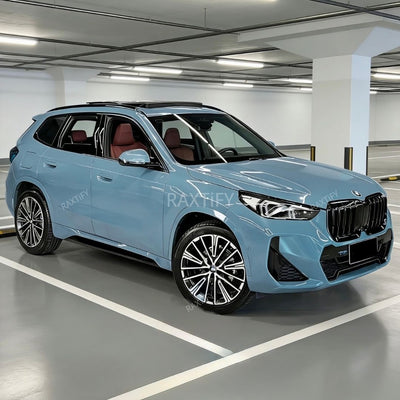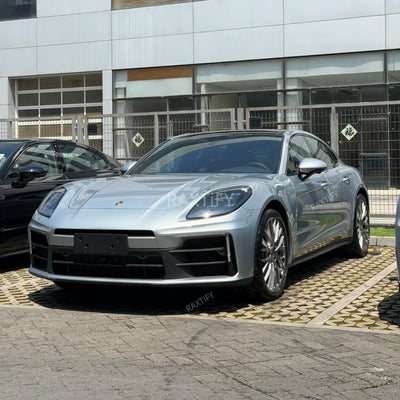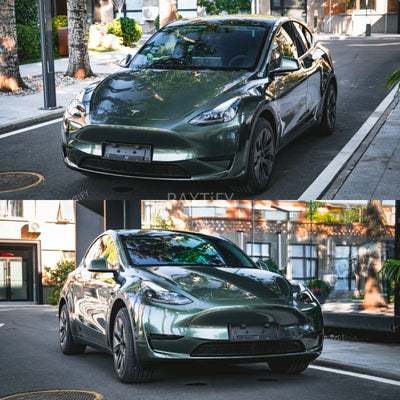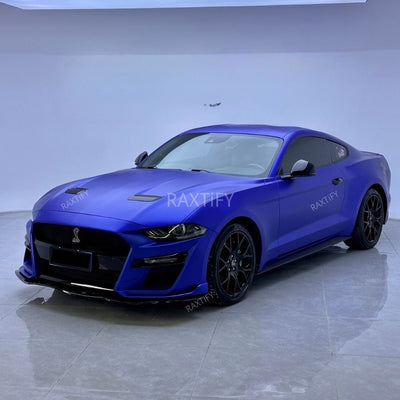

Over time, Color PPF may change in appearance, but yellowing is not inevitable and does not always appear as a clear amber tint. Modern Color PPF is typically engineered with UV-resistant components and a protective topcoat to reduce yellowing and discoloration.
The outcome depends on more than just the material name. How the finish appears after install is influenced by film construction, color, exposure to heat and sunlight, parking conditions, surface contamination and maintenance. Comparing how different colors age can be a challenge—white and pastel colors may start to show signs of staining earlier than dark colors, which may show signs of aging as fading, hazing, or loss of shine.

For most owners, it is not just a question of whether Color PPF can turn yellow. It's whether the color you want is suitable for the way you park, drive and take care of your car.
Does Color PPF Actually Turn Yellow?
PPF can yellow, but yellowing should not be seen as an inevitable consequence of installation. Today, the products typically feature UV-resistant components and a protective topcoat, which are designed to enhance long-term color stability.
But that does not leave the film forever unchanged. “Yellowing-resistant” is a phrase that indicates that the material is designed to reduce or slow yellowing under normal use. It does not imply the surface will be the same after years of sun exposure, road exposure, washing and contamination.
A vehicle that is parked in a garage most of the time will typically expose the film to less heat and UV than an Arizona, Texas or Florida daily driver parked outdoors. The hood and roof are also exposed to more direct UV and heat. Eventually, these differences will show up even if the same film was applied throughout the car.

There must also be a distinction made between material yellowing and surface discoloration. A single yellow or brown spot on the hood is more likely to be due to contamination or etching than to uniform film aging. Material yellowing is usually wider, more uniform and less responsive to regular cleaning.
Why Can Color PPF Change Over Time?
Color PPF is composed of multiple layers and each layer can impact the finished look. Over time, UV and heat can affect the appearance of the film.
Another possibility is fading in the colored layer. A deep blue film can fade without turning yellow. Fading is still a change in appearance. Red may look duller and black may develop glossy or hazy spots. Metallic and pearl films might look less clear when the topcoat is contaminated or damaged.
From the customer photos and aftercare questions we receive, many of the first visible issues appear at the surface rather than as uniform yellowing across the whole panel. Surface staining or etching can be caused by bird droppings, tree sap, dead insects, hard water deposits, road oil and the wrong kind of cleaning chemicals. A stain may become much deeper and visible etching may occur in the topcoat if the contamination is left on the hot hood for several days, even if the film underneath remains stable.
How Is Color PPF Yellowing Different From Clear PPF?
Clear and colored PPF may use similar TPU technology, but you do not see aging in the same way.
| Appearance Change | Clear PPF | Color PPF |
|---|---|---|
| Slight material yellowing | Often visible over white or silver paint | May be hidden or altered by the colored layer |
| Surface staining | Visibility depends on the original paint | More obvious on white, pastel, and light film colors |
| Fading | Usually does not involve a separate color layer | May appear as reduced saturation or a different tone |
| Gloss loss | Makes the paint look cloudy | Can make the color look flatter, darker, or less vivid |
| Panel mismatch | Often related to the paint underneath | May involve film color, lighting, orientation, or installation |
| Metallic or pearl variation | Mostly comes from the vehicle paint | Can be affected by film direction and viewing angle |
On white cars with clear PPF, even slight yellowing is easy to notice because you're seeing a transition over a bright, neutral background. Color PPF may make a small warm shift less obvious, but fading or tone variation can still become visible in the film's own color.
This difference is particularly critical when you're comparing Color PPF to standard vinyl wrap. Color PPF will offer thicker protection, but its opacity and construction vary by product, and it can be affected by the sun, washing and aging.
Which Color PPF Colors Show Changes Most Easily?
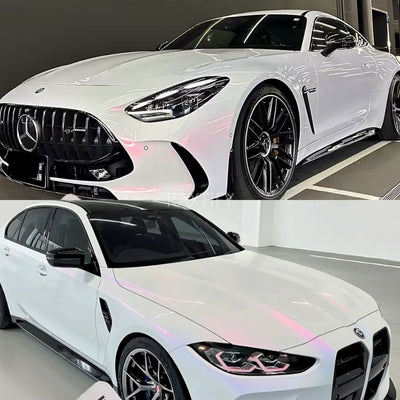
White and Pearl White Color PPF
Typically, yellow, brown or gray contamination will be easier to see on white and pearl white Color PPF. A small stain may not be noticeable on a dark green or black car, but it might stand out clearly on a white hood. However, a warm reflection does not always indicate yellowing as the reflection can also be warmer or cooler, depending on the lighting, viewing angle and pearl effect.
Silver and Light Gray Color PPF
Silver and light gray PPF often hide common dust and light road film better than white. They can cover up common dust and light road film better, but any warm discoloration may still become visible over time. Also metallic flakes alter the way light reflects off the film so you should compare both sides of the vehicle in the same conditions before concluding the film has faded on one side.
Pastel and Light Color PPF
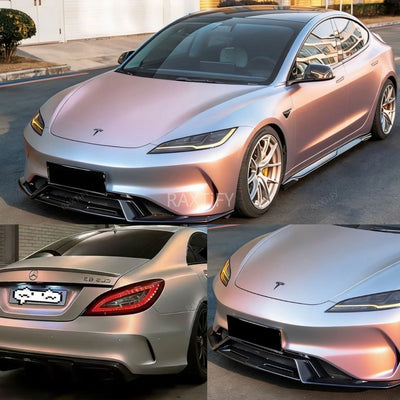
Lighter shades of pink, baby blue, lilac, etc. will need the same care. These colors are picked because of their specific tone, so even a small quantity of dirt, edge buildup, or reduced color saturation can be visible. They work best for owners who wash regularly and quickly clean up bird droppings, bugs and tree residue.
Dark Color PPF
Generally, dark colors tend to mask a slight yellowing, but they do have their drawbacks. The fine wash marks, water spots, surface haze or loss of gloss may be more evident in the black, navy, dark green and deep purple colors. While the film may not look yellow, you might notice that the film is less deep and clear than it was when first installed.
Metallic and Color-Shift Color PPF
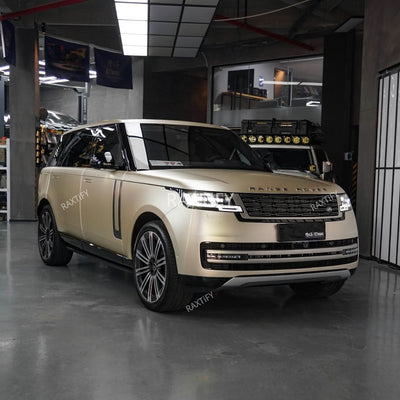
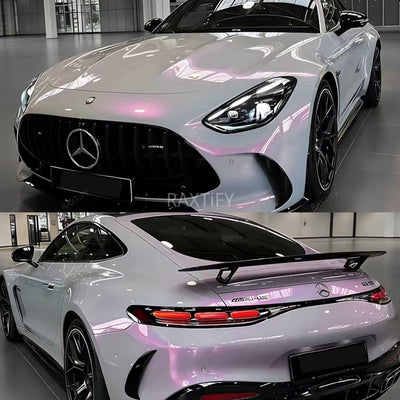
Metallic and color-shift PPF can mask some of the apparent changes, as their appearance also changes with the light. The tradeoff is that they are harder to judge accurately in photos. A warm reflection may not be discoloration: A white color-shift film might have a gold or pink hue by design. Installation direction also plays a role with directional metallic or color-shift films, as two panels can reflect differently if the film is turned around.
How Long Does It Take for Color PPF to Yellow?
Obvious material yellowing within a short period may justify closer inspection, but there is no universal timeline that applies to every Color PPF product or vehicle.
A warranty period will provide you with a sort of indicator of how the manufacturer is marketing the product, but don't read the warranty as if it says the film will be exactly the same until the end of the warranty. The film can develop fine scratches or top-coat wear, edge buildup, or loss of gloss without obvious material yellowing being immediately apparent.

However, when it is used, it is very common that small surface problems are detected before material yellowing is noticed. That can be a bird-dropping or tree-sap mark on a light colored vehicle. It could be water spots or an area on the hood that appears flatter when exposed to direct sunlight on a dark film.
So, the condition of the film is more important than the age of it. An older film that remains flexible, evenly colored and tightly bonded can look better than a newer film that has been exposed to unsuitable cleaning chemicals or persistent contamination.
Is It Yellowing, Staining, or Fading?
Overall, uniform discoloration throughout a panel is more indicative of a change in material, adhesive or overall color. A single yellow or brown stain is more likely to be a tree residue, bird droppings, insect, mineral or surface contaminant.
Fading is another possibility. The color doesn't turn yellow, but may become lighter or less vibrant. The blue film might appear to be gray and the red film might not seem as rich. A color may also look grayer or flatter if there is surface haze or a reduction in gloss.
Edges need to be treated separately. Dirt, wax, and adhesive residue or contamination around an exposed seam can often cause a yellow, black, or gray line around the edge of the film. It doesn't necessarily indicate that the whole panel has yellowed.
To make a warranty claim, wash the car in a way approved by the manufacturer for the film and perform a natural light inspection. If the appearance does improve, the problem will likely be in or around the surface. If the discoloration does not improve after cleaning or appears across multiple panels, ask the installer to check it.
How Can You Reduce the Risk of Yellowing and Discoloration?
Choose a Product With Clear Information
The first step is selecting a product that has written warranty terms, care instructions and material information. It's not enough to just be called “premium TPU” and “never yellows.” It is important to understand what is included in and excluded from the warranty and the documentation that you should retain.
Maintain the Film Regularly
Routine maintenance is important, too. The car/vehicle does not have to be washed every week, but organic contamination should not be left on a hot surface for extended periods of time. After multiple heat cycles, bird droppings, tree sap, insects and fruit residue are more difficult to remove.
Use PPF-Compatible Cleaning Products
Use cleaning products that are compatible with PPF. The top coat may be damaged or affected in its gloss by strong solvents or abrasive compounds. Both matte and satin Color PPF films need special attention as far as rubbing or polishing is concerned, especially when excessive rubbing or polishing causes the film to turn shiny on one surface area, resulting in a different look than the surrounding surface area.
Consider Where You Park
Parking practices make a difference. While a garage is a nice thing, it is not mandatory. If the vehicle remains in the open, exposure to trees, sprinklers and areas with significant industrial fallout can increase surface contamination.
Understand What Ceramic Coating Can Do
A compatible ceramic coating could help facilitate cleaning and minimize the adhesion of some contaminants to the film. It is not a protection against yellowing, but a maintenance aid. It does not prevent all types of TPU aging, changes in adhesive or pigment fading.
Should You Avoid White or Light Color PPF?
If you park the car in a garage, wash it regularly and clean off the organic contamination before it bakes onto the film, white, silver and pastel finishes can be effective. It's also good when you know that light colors are good at showing dirt and minor changes sooner.

For vehicles that are parked outdoors or under a tree, or are not washed for weeks, a darker or medium finish may be more useful. Dark colors are more effective at masking yellow and brown contamination, but may also accentuate dust and water spots as well as fine wash marks.
If you are not able to stand any change in color temperature, or if you expect the car to be absolutely pristine and showroom clean with virtually no maintenance, then light-colored Color PPF is probably not the best option. If you are only looking for protection and prefer to keep the original paint color, clear PPF might be a better option. If you're looking to switch the color of your vehicle in the short-term for less money, vinyl wrap could be a better option.
Another benefit of light Color PPF is that it provides you with a clean color change and provides stronger impact protection than standard vinyl wrap in one material. The downside is that the contamination and edge buildup will become more noticeable sooner than it would on a darker shade.
When Is Yellowing a Warranty Issue?
When the yellowing is uniform over a large area, does not improve with safe cleaning and is happening to multiple exposed panels, it may warrant a warranty inspection. If there are any cracks or the material is delaminating, it could be a more serious problem than just surface dirt. Bubbling or lifting should also be inspected, although they may be related to installation.
If there is only one bird-dropping stain, dirty edge, hard water mark or patch that has been damaged by chemicals, it may be treated differently. The cause should be determined through inspection, while the warranty coverage determines whether the condition is covered.
Final Verdict
Although Color PPF can turn yellow, many owners will notice that the film is stained, has edge build-up, or is faded before it actually turns yellow. When choosing a finish, yellowing is more noticeable and easier to see on white and pastel colors, whereas dark colors may mask warm discoloration while making water spots, haze and loss of gloss more visible. What works for one owner may not work for another. Light-colored PPF may be easier to maintain on a well-maintained, garaged vehicle. If the car is left outside beneath trees and is washed only occasionally, then a darker, more forgiving color might be better.
Frequently Asked Questions
Q1. Can one Color PPF panel be replaced without a color mismatch?
A: Yes, but it is not guaranteed that an exact match will be achieved. Older film may look slightly different because of sun exposure, washing and surface damage. Panel differences tend to be more noticeable with metallic, pearl, pastel and color change finishes.
Q2. Does matte or satin Color PPF discolor differently from gloss?
A: Matte and satin finishes can also develop darker areas, uneven sheen or shiny spots, rather than noticeable yellowing. The finish may be permanently altered by aggressive rubbing or harsh cleaning.
Q3. Is light Color PPF suitable for hot climates?
A: It is possible but maintenance is more important when the vehicle is kept outdoors, where heat and UV can play a role. Wash the car on a regular basis, remove dirt quickly, and park the vehicle inside if possible when using light colors.
Q4. What should you keep for a yellowing warranty claim?
A: Keep the invoice, product name, installation date, installer details, and clear daylight photos. Warranty providers may also ask for cleaning history and evidence that the issue is material yellowing rather than staining or maintenance damage.