



6D Carbon Fiber Silver Vinyl Wrap
- Sku: CF14
Air-Release Channel
PET Backing Liner
Low Initial Tack
Quality Warranty
1. Top Protective film is included only on full rolls (59ft) of gloss vinyls.
For smaller, pre-cut pieces of glossy vinyl, the protective film is removed before shipping to ensure a smooth surface without air bubbles or creases. This does not affect the quality of the vinyl.
All matte/ satin vinyl wraps do not have a protective film, as their surface is naturally resistant to minor scratches and does not require additional protection.
59ft = full roll
69ft = full roll + 10ft pre-cut
75ft = full roll + 16ft pre-cut
2. Products ordered separately may have slight color variations due to different color lots.
3. Use a bubble remover/defoamer on the surface before applying for best results.
4. CAUTION! The images, colors, and finishes on the screen are approximate. For accuracy, refer to the color book or samples.
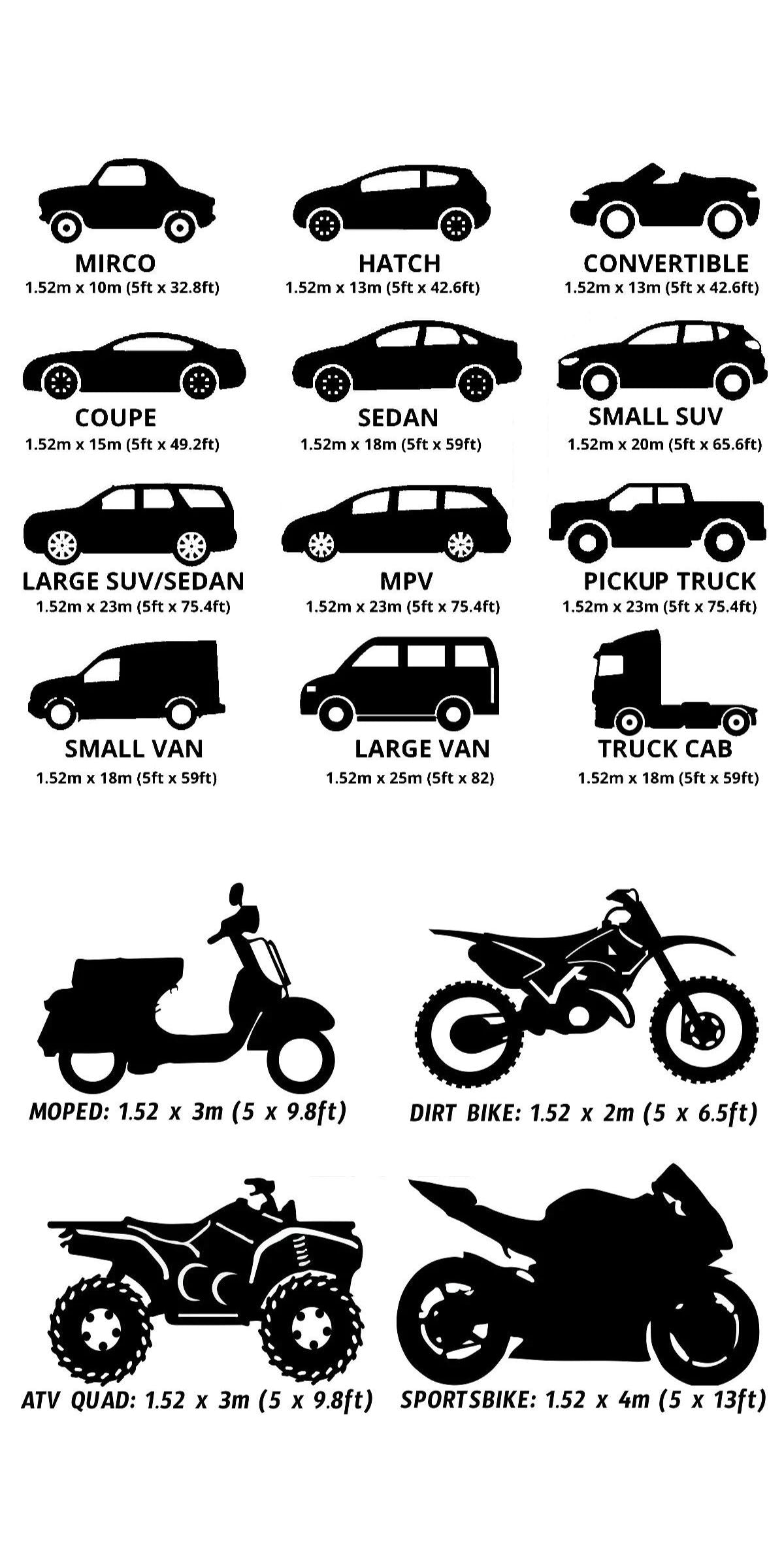
Size Chart
Motorcycles: 5ft * 16ft
Mini/ Small Cars: 5ft * 49 ft
Convertible: 5ft * 59 ft
Coupe: 5ft * 59 ft
Sedan: 5ft * 59 ft
Hatchback: 5ft * 59 ft
Sports Car: 5ft * 59 ft
Station Wagon: 5ft * 69 ft
Sport-utility Vehicle (SUV) : 5ft * 69 ft
Minivan: 5ft * 80 ft
Pickup Truck: 5ft * 92 ft

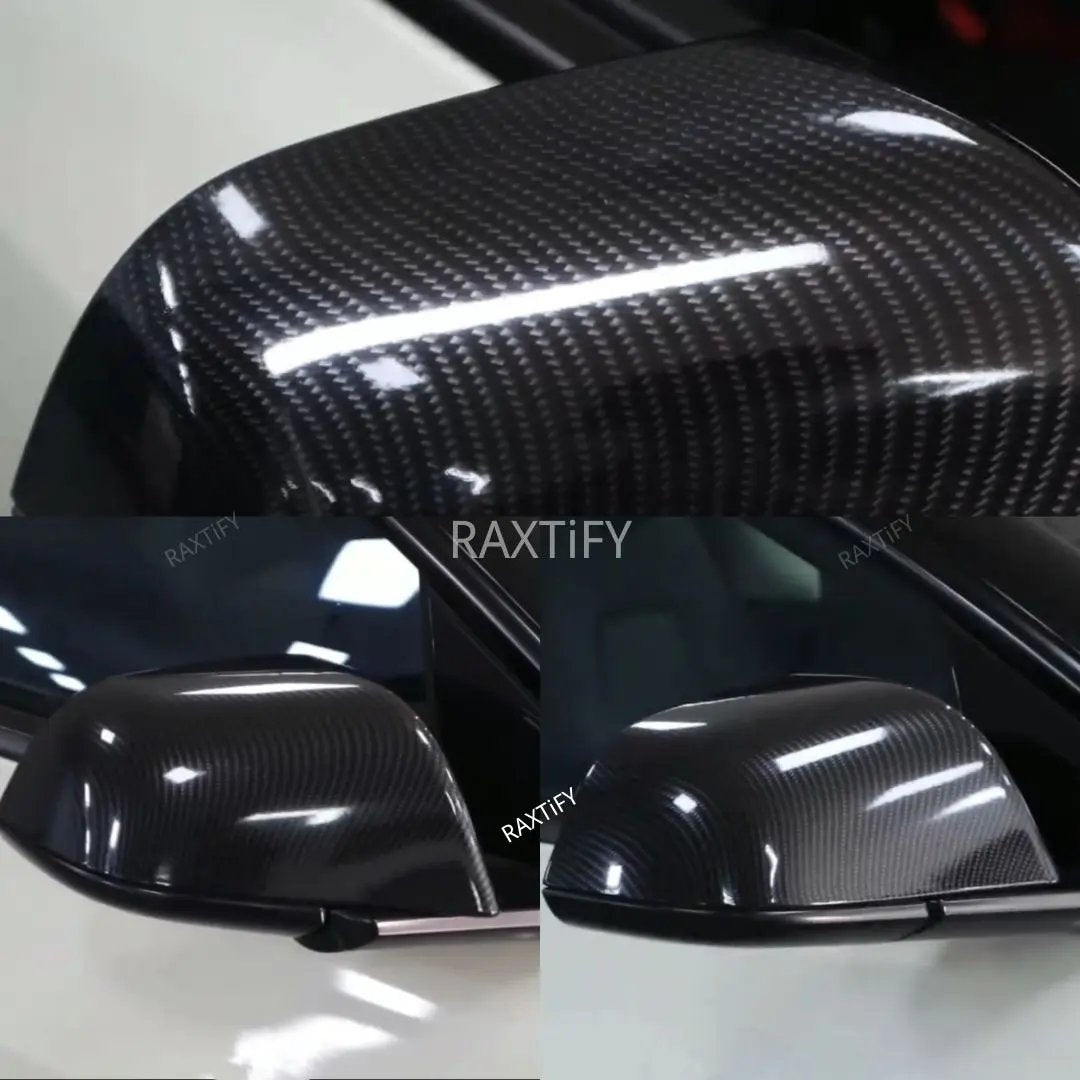


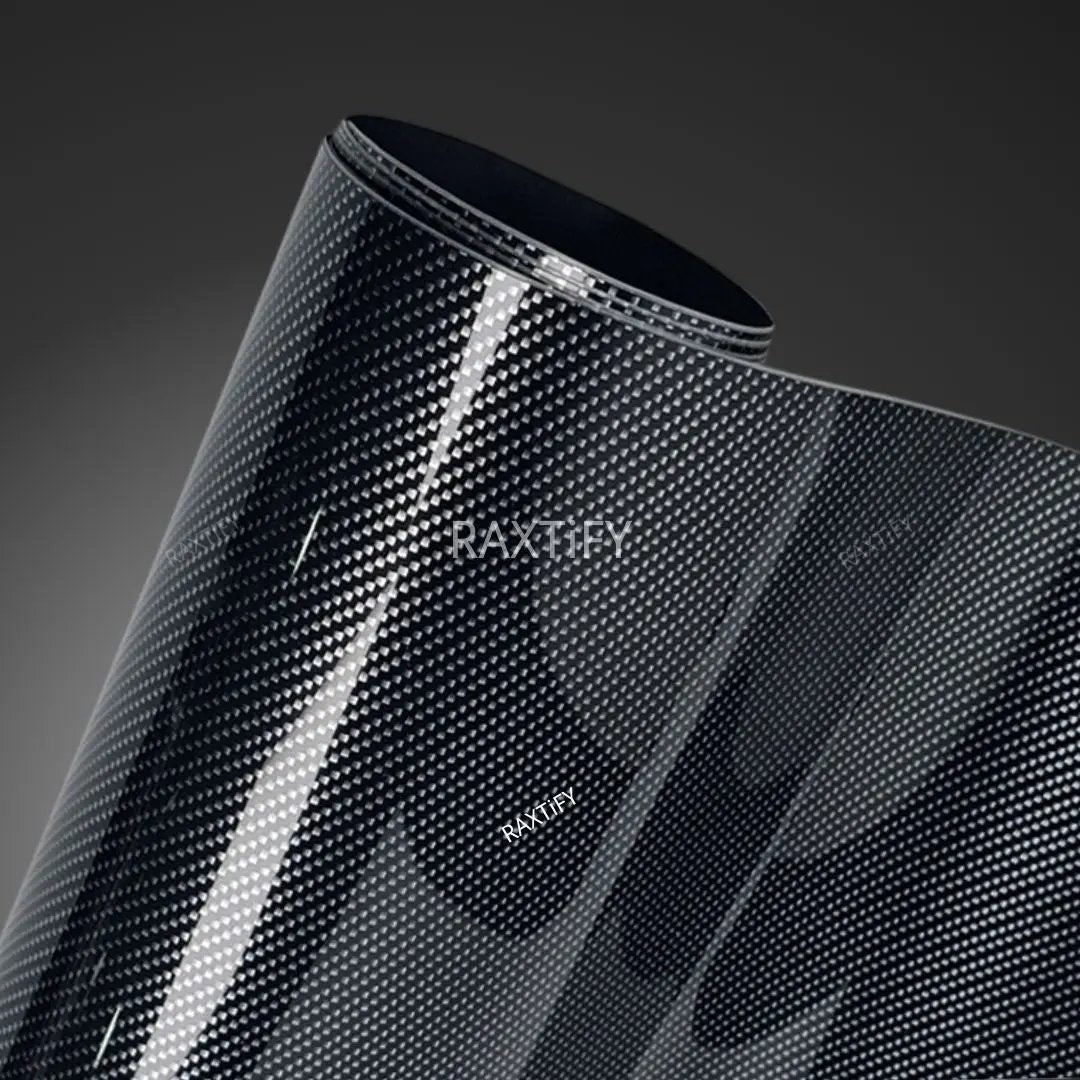
6D Carbon Fiber Silver Vinyl Wrap

Product Overview
The 6D Carbon Fiber Silver Vinyl Wrap is a combination of a silver woven carbon pattern with a glossy surface, creating a more layered surface appearance. In contrast to the darker black pattern found in conventional black carbon fiber, the lighter silver surface means that the pattern can still be seen more clearly over larger areas.
This is a more directional carbon fibre weave finish with silver highlights rather than giving a mirror like metallic appearance. It is a decorative automotive vinyl that was designed for appearance enhancement, and not to provide the structural performance of real carbon fiber.
Why Do Some Drivers Choose Silver Instead of Black Carbon Fiber?
The most significant difference between silver and the standard black carbon fiber is the amount of woven pattern that is visible once the carbon fiber is installed.
The darker background can make the weave blend into the background on black carbon fiber, particularly when viewed from a normal distance. Silver carbon fiber adds to the natural contrast between weave and the rest of the finish, to the extent that the pattern becomes a more visible part of the overall design.
For a texture to be visible, rather than just implied, you're often better off with silver carbon fiber than black carbon fiber. It gives the carbon look a more distinct woven appearance without the mirror-like effect of chrome finishes.
How Does 6D Silver Carbon Fiber Look in Different Light?
Brightness of the silver surface varies with respect to lighting, viewing distance and panel shape.
Direct Sunlight
Direct sunlight makes the silver weave shine more brightly and makes the contrast between the various sections of the pattern easier to see. The smooth finish also creates more noticeable changes in reflected light, resulting in a more pronounced carbon look in large areas such as hoods, roofs and more.
Shade and Overcast Conditions
The finish appears darker and more reserved in the shade or overcast conditions. It could appear as a deeper silver-gray or graphite color than it does in direct sun, and the weave may not be as reflective.
Indoor Lighting
The pattern is typically most apparent when light falls across the panel and you are closer to it, or when the light changes direction, under garage or indoor lighting. At a distance, the surface might appear more as a silver-grey tone than as a shiny carbon pattern.
Flat and Curved Panels
The silver weave tends to appear more consistent on flat panels than on curved ones. While the curved panels can provide more dramatic light changes, it's possible for some areas to look lighter than others. Excessive stretching may cause the spacing and/or the effect of the silver highlights to shift.
Where Does 6D Silver Carbon Fiber Work Best?
Hood and Roof
The weave is visible through the silver when it is used on hoods and roofs. Many black carbon fibre finishes are not as easy to identify from a normal distance as silver carbon fibre because of the lighter surface.
Chrome silver can create a very shiny and obvious look, while a carbon hood in a silver colour can create a mechanical or motorsport-inspired contrast without being as brilliantly shiny.
Interior Trim
Applications such as dashboard trim, center consoles, door trim and larger decorative panels are good choices because they are seen up close. The lighter weave is still noticeable under cabin lighting, and can offer more contrast than traditional black carbon fiber interior film.
The existing surface should be smooth, stable and without peeling coatings or heavy texture.
Trunk and Spoiler Accents
The silver weave can be a bright effect for trunks and spoilers without dominating the overall appearance of the vehicle. The pattern on smaller panels might need to be viewed more closely to appreciate, but the finish may achieve a better contrast than black carbon fiber.
Full Vehicle Applications
There is the option of a full vehicle wrap, but the wrap would be more impactful than a standard black carbon build. This silver-colored surface maintains the pattern through larger areas of doors, quarter panels and the rest of the body.
For a full wrap you also need to use the same direction of weave. The silver highlights will reflect differently if the neighboring panels are installed with different pattern orientations, even if the installation is clean.
6D Silver Carbon Fiber vs. Black Carbon Fiber
| Finish | Overall Appearance | Pattern Visibility | Best For |
|---|---|---|---|
| 6D Silver Carbon Fiber | Lighter, brighter, and more visibly woven | Easier to recognize from a normal viewing distance | Silver accents, monochrome builds, interiors, hoods, and visible carbon styling |
| Black Carbon Fiber | Darker and more traditional | More restrained until viewed closely or under stronger light | Black-out builds, darker accents, and conventional performance styling |
The main reason to opt for a silver color rather than black is pattern visibility. The black carbon fiber tends to bring out a more subtle weave, while the lighter silver base makes it easier to showcase the woven design in the overall look.
Silver carbon fiber should also be distinguished from chrome silver. It does not give a mirror-like effect, but rather a carbon pattern and a glossy surface that creates a layered visual effect.
Directional Pattern and Stretch Control
This woven pattern is directional, and the direction of the pattern across the panels should be considered before cutting the material.
Adjacent panels should be oriented in the same direction as much as possible. This is particularly important over the hood, roof, doors and across the side of the car where pattern direction changes can impact the reflections of the silver.
Strong or uneven stretching may:
- Widen the weave
- Rotate the pattern
- Reduce consistency between panels
- Change the contrast between the silver highlights
- Make curved areas appear different from flat areas
Broad panels are generally easier to keep consistent. More control is needed on bumpers, mirror caps, deep recesses and compound curves as the pattern may get distorted when forced over such curves.
Air-release channels will help minimize the amount of trapped air but can't substitute for good surface preparation, alignment, heat control, and edge finishing.
What We've Learned From Working With 6D Silver Carbon Fiber
When we have been working with 6D Silver Carbon Fiber, we've often found the size of the panel to have a lot more of an effect on how it looks than people realize.
With the larger panels like hoods and roofs, the lighter silver weave has enough uninterrupted space to become a clear visual pattern, and the carbon pattern is much easier to see from normal viewing distances. The reflective silver surface may appear more prominently than the weave on smaller components such as mirror caps or narrow trim pieces.
We've also observed that the direction of the weave is more distinct on silver carbon fiber than on darker carbon fibers. The slight misalignment of the pattern that may not be noticeable if black carbon fiber is used will become more noticeable with the lighter silver weave and the light moving across adjacent panels.
With this in mind, we suggest planning panel orientation prior to cutting, particularly in full wraps, where adjacent panels meet. Much of the final look can be determined by the direction of the weave as well as the skill of the installer.
6D Carbon Fiber Silver Vinyl Wrap Specifications
- Color: Silver
- Finish: Gloss 6D Carbon Fiber
- Pattern: Directional woven carbon pattern
- Product type: Decorative automotive vinyl wrap
- Adhesive: Pressure-sensitive acrylic adhesive
- Air release: Integrated air-release channels
- Application method: Dry installation
- Recommended applications: Hoods, roofs, trunks, spoilers, doors, interior trim, and accent panels
- Complex applications: Bumpers, mirrors, deep recesses, and compound curves require greater stretch control
- Surface requirement: Smooth, clean, dry, and stable painted or finished surfaces
- Protection level: Decorative vinyl surface layer; not paint protection film or structural carbon fiber
Who Is This Wrap Best For?
Silver carbon fiber isn't just a lighter version of black carbon fiber, nor is it meant to replace chrome silver.
Black carbon fiber is typically the more subdued option if you are looking for a classic OEM-style appearance that blends more naturally with darker body panels.
On larger interior trim pieces, or when you want the woven pattern to be seen as a visual accent, silver carbon fiber may provide better visual contrast because the pattern is easier to recognize at typical viewing distances.
If you are between the options of silver carbon fiber and chrome silver, it is most likely the texture that will help you make your decision. Chrome emphasizes reflection, while silver carbon fiber emphasizes the woven pattern
Final Verdict
The primary difference between 6D Silver Carbon Fiber and standard black carbon fiber is that the lighter surface keeps the woven pattern visible across more of the vehicle than black carbon fiber. On many builds, the finish reads more like a silver wrap with visible carbon texture than a traditional dark carbon fiber finish. The directional pattern works best on larger panels, such as hoods, when it is applied consistently.
Frequently Asked Questions
Q1. What does “6D” mean in carbon fiber vinyl?
A: The “6D” is a visual style name used to describe a deeper and more reflective carbon fiber look. It does not imply the vinyl has six actual layers of carbon or structural carbon fiber properties.
Q2. Does 6D Silver Carbon Fiber look like chrome silver?
A: Chrome silver is primarily designed to produce a highly reflective surface. The carbon texture is still the primary visual element in 6D Silver Carbon Fiber, which has a visible woven pattern and a glossy layered appearance.
Q3. Is the weave more visible than on black carbon fiber?
A: Generally, yes. The lighter silver surface provides stronger contrast within the woven pattern, making it easier to see from a normal distance. The actual visibility will still depend on lighting, panel size and viewing angle.
Q4. Is 6D Silver Carbon Fiber better for accents or a full vehicle wrap?
A: It may be used for both. The pattern is typically most visible on hoods, roofs, trunks, spoilers and interior trim. A full wrap produces a much more silver carbon look and requires more detailed pattern planning between adjacent panels.
Q5. Is 6D Silver Carbon Fiber real carbon fiber?
A: It is decorative automotive vinyl designed to reproduce the visual appearance of woven carbon fiber. It does not provide the strength, rigidity, or weight reduction of real carbon fiber parts.
Structure
Our wrap films consist of 4 layers designed to ensure exceptional performance:
The first layer serves as a protective barrier for the underlying vinyl.
Directly beneath, you'll find high-grade polymeric vinyl fortified with pressure-sensitive acrylic adhesive.
Finally, a layer of 130um release plastic liner adds an extra level of quality to our wrap films. This plastic liner ensures a smoother, super glossy, and lustrous finish.


Vinyl Specifications
| Specification | Details |
|---|---|
| Product Type | Automotive Vinyl Wrap |
| Film Type | Polymeric calendered vinyl film |
| Designed Use | Full vehicle wraps, partial wraps, and exterior accents |
| Film Construction | Polymeric vinyl with air-release adhesive channels |
| Face Film Thickness | 3.7–4.1 mil (approx. 0.094–0.104 mm) |
| Adhesive Type | Solvent-based pressure-sensitive acrylic adhesive |
| Adhesive Thickness | 1.6 mil (approx. 0.041 mm) |
| Initial Tack | Low Initial Tack, High Holding Power |
| Air-Release Channels | Yes |
| Release Liner | PET |
| Top Protective Film | PET, where supplied with the applicable finish or roll configuration |
| Directional Film | Yes — maintain a consistent film direction across adjacent panels |
| Application Method | Dry application |
| Recommended Installation Temperature | 20°C–30°C (68°F–86°F) |
| Service Temperature Range | −45°C to +45°C (−49°F to 113°F) |
| Roll Width | 60 in / 5 ft / 1.52 m |
| Full Roll Length | 59 ft / 19.7 yd / 18 m |
| Approx. Full Roll Weight | 28.7 lb / 13 kg |
| Expected Outdoor Service Life | 2-3 years, depending on climate, UV exposure, installation, parking conditions, and maintenance |
| Expected Indoor / Sheltered Service Life | 2-3 years, depending on use and maintenance |
| Installation Difficulty | Easy to Intermediate; DIY-friendly |
Technical Performance Data
| Test Item | Typical Result |
|---|---|
| Elongation at Break — MD | Approx. 200% |
| Elongation at Break — CD | Approx. 190% |
| Tensile Strength | 22.7 N/10 mm |
| Dimensional Stability | Shrinkage less than 4%* |
| Surface Tension | Approx. 34 dynes/cm |
| Release Force | 0.12 N/25 mm, tested at 25°C and 50% RH |
| Initial Tack | 1360 g/25 mm, tested at 26°C and 64% RH, GB31125-2014 |
| Peel Strength | 7.05 N/25 mm, tested at 25°C and 42% RH, GB/T2792-1998 |
| Holding Power | 72.09 h, tested at 25°C and 50% RH, GB/T4851-1998 |
| Aging Test 1 | 7 days at 65°C — no adhesive residue observed after removal with heat |
| Aging Test 2 | 10 days at 65°C — no adhesive residue observed after removal without heat |
Installation & Application
| Application Method | Dry application |
|---|---|
| Installation Temperature | 20°C–30°C (68°F–86°F) |
| Post-Heating | 95°C–110°C (203°F–230°F) |
| Curves & Recesses | Up to 120°C (248°F) |
| Directional Film | Yes — maintain consistent film direction across panels |
| Recommended Tools | Squeegee, knife, masking tape, magnets, gloves, heat gun, IR thermometer |
| Installation Notes | Avoid overstretching and overheating. Professional installation is recommended for complex curves and recesses. |
Care & Maintenance
| Washing | pH-neutral automotive shampoo; hand wash or touchless wash recommended |
|---|---|
| Pressure Washing | Below 2000 PSI; avoid spraying directly at exposed edges |
| Avoid | Brush car washes, abrasive cleaners, strong solvents, and harsh chemicals |
| Contaminants | Remove bird droppings, tree sap, fuel residue, and insects promptly |
| Wax & Sealant | Use vinyl-safe products only |
| Parking | Indoor, garage, or shaded parking recommended |
Lifespan & Warranty
| Outdoor Service Life | 2-3 years |
|---|---|
| Indoor / Sheltered Use | 2-3 years |
| Warranty | 2-Year Limited Warranty for eligible material defects |
| Warranty Exclusions | Improper installation, overstretching, overheating, misuse, accidents, environmental damage, incompatible chemicals, and pre-existing paint defects |
Storage & Shelf Life
| Shelf Life | Up to 2 years |
|---|---|
| Storage Temperature | 10°C–20°C (50°F–68°F) |
| Relative Humidity | Approx. 50% |
| Storage Conditions | Keep in original packaging in a clean, dry place away from direct sunlight, heat, dust, and moisture |
Frequently Asked Questions
RAXTiFY vinyl wrap is designed with air release channels to help reduce bubbles during installation, making it suitable for both professional installers and experienced DIY users.
However, installation difficulty may vary depending on the vehicle shape, surface condition, film finish, and installer experience. Full vehicle wraps, deep curves, bumpers, mirrors, chrome finishes, carbon fiber films, and other specialty finishes may require professional installation for the best result.
Yes. We recommend ordering a Small Size Sample before purchasing a full roll, especially if you are comparing colors or finishes.
Vinyl wrap color can look different under sunlight, shade, indoor lighting, camera settings, screen display, and different vehicle body lines. A sample helps you check the real color, finish, and texture before starting your wrap project.
Most RAXTiFY vinyl wraps come with a 2-year limited warranty against confirmed product-related defects. For full details, please read our RAXTiFY Warranty Policy.
RAXTiFY vinyl wrap is designed to last 2–3 years with proper installation and regular care.
Actual lifespan may vary depending on the film series, finish, climate, UV exposure, parking conditions, washing habits, and overall vehicle surface condition. Vehicles parked indoors or in shaded areas may help maintain the wrap’s appearance for longer.
For best results, hand wash the wrapped vehicle with clean water, pH-neutral soap, and a soft microfiber mitt or sponge. Dry the surface with a clean microfiber towel after washing.
Avoid harsh chemicals, abrasive cleaners, automatic car washes, polishing compounds, fuel spills, and high-pressure washing directly on film edges. Long-term exposure to intense sunlight, heat, rain, snow, dust, and pollution may affect the finish over time.
Yes. RAXTiFY vinyl wrap can be removed later when it is properly heated and removed with care.
Our vinyl wrap is designed to be removable without damaging factory OEM paint that is in good condition. For the safest result, we recommend professional removal, especially for full vehicle wraps, older installations, or vehicles with unknown paint history.
Please note that paint condition matters. Repainted surfaces, peeling clear coat, rust, dents, scratches, weak paint, or improper removal may increase the risk of paint damage.

Got your eyes on a color but not sure if it's the one? Get a FREE small sample first!