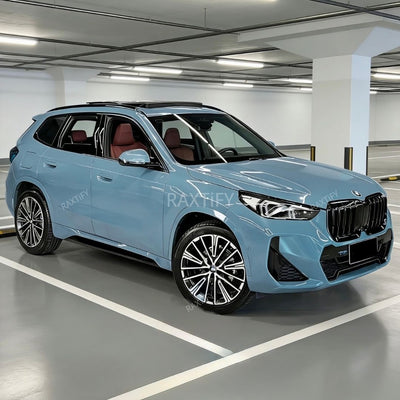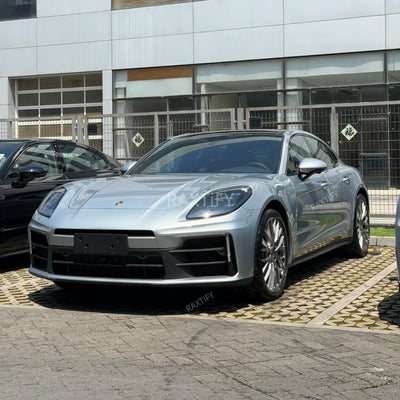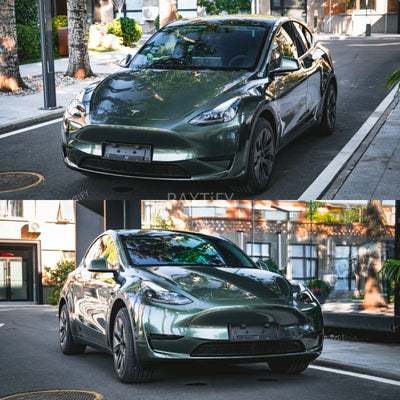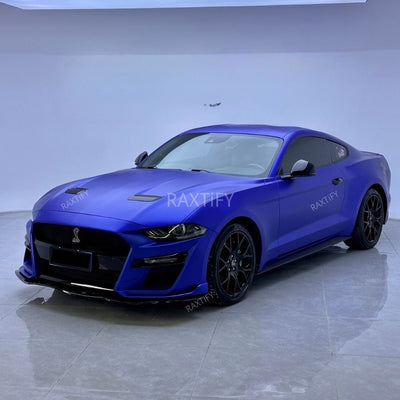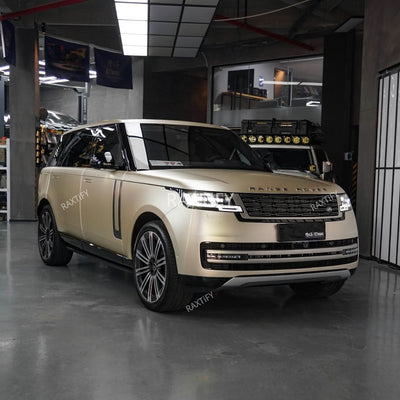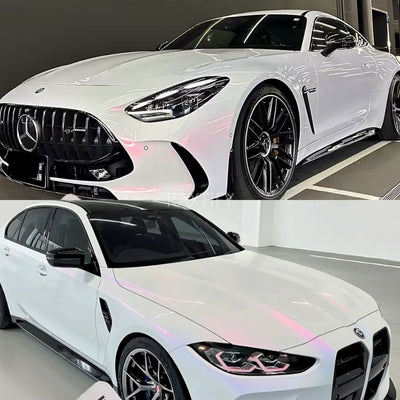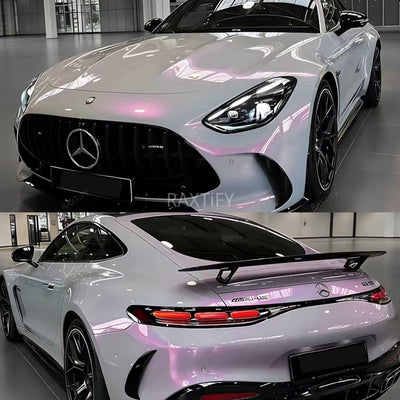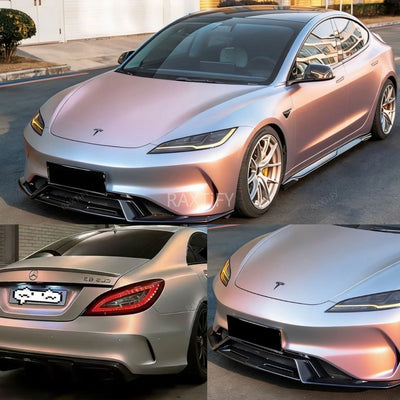


In the U.S. the federal law stipulates that headlights must not be more than yellow or red in color, and tail lights must be red, i.e. highly tinted or black headlights are not legal. In certain states, limited tinting is permitted as long as visibility is not impaired, although there are rules. It is always important to ensure that you check your local laws before modifying custom tail lights to remain safe and within the law.
Why Headlight and Tail Light Tinting Is So Popular?
When you are concerned about the appearance of your vehicle, it is not difficult to figure out the reason why tail light tinting and headlight tinting has become so popular of a customization. Most drivers are just responding to style before anybody will mention laws or regulations. The lights inside the factories are usually too bright, too clear or disconnected as far as their view is concerned to the rest of the vehicle. Colored lights provide an option of uniting everything.
Aesthetic Appeal — From Factory Look to Custom Style
The black headlights and tail lights that are customized transform the car character instantly. A light smoked finish will make a car appear cleaner and more sophisticated, whereas the darker appearance of the blackout will have a bold and aggressive appearance. A lot of drivers opt to tail light tint to suit body wrap, wheels, or trim to make a unified and purposeful design and not a combination of factory parts.
Functional Reasons Many Drivers Choose Light Tint
In addition to looks, there are those drivers that like light tint because of mild glare softening, visual balance as well as personal expression. Thoughtfully tinting will never be about covering the light as it is, it is more about creating the identity of a car to suit your preferences and way of driving.
What Federal Law Says About Tinting Headlights and Tail Lights?
DOT &FMVSS 108 — The Federal Baseline
You must first be aware of the federal minimum that governs every state in the country before you consider state-specific regulations. The lighting of all vehicles on the road in the U.S. is regulated by the Department of Transportation (DOT) under FMVSS 108. This criterion determines the brightness of your lights, the color of the lights and how visible they should be in traffic environment.
The regulations are straight forward at the federal level. Your headlights should give out white or selective yellow light and your tail lights and brake lights should give out red light which is easily seen at a safe distance. These provisions are not optional and are required in all vehicles that are operated in the public roads irrespective of the state.
Why Color-Altering Tints Are Almost Always Illegal?
Any color that alters the necessary color like blue, green, purple or greatly smoked black headlights presents an instant legal concern. Blue or red lighting may seem like emergency lights, and dark or color changing films may give a false impression of how the movement of your vehicle is perceived by the other road users. Although the light may still be operational, the fact of changing its color is in itself a breach of federal safety requirements.
Does Film That Reduces Brightness Violate Federal Law?
There is a myth that people have that says that as long as the color is the same, it is legal. Under the federal law, non-compliant light output may be less than a quarter of a light. A movie that reduces brightness or reduces visibility to unsafe levels will be considered in violation of FMVSS 108- although the color shift will not be visible. It is not about the appearance but the visibility that matters.
Can You Get Pulled Over or Fail Inspection for Light Tint?
You are seldom pulled simply because you have light tint but it is a problem when the same causes lack of clarity in the real driving scenarios due to your tinted headlights or tail lights.

When Tint Becomes a Traffic Stop Issue
Dark lenses or smoked lenses may result in dimming up or even uneven lights at night, which attracts attention when you are on regular patrol. During rain, fog, or snow, the light output will be more pronounced and the officers will consider the tinted lights as a safety hazard and not a fashion statement.
Inspection, Tickets, and Insurance Claims
The tint which decreases brightness or changes the required light color may result in failure and forced removal. More to the point, should you be in an accident, non-compliant of light tint can lead to more liability, rather, in case the visibility is called into question. Being up to date allows you to balance between customization and the practical responsibility.
Why These Laws Exist — Safety, Visibility, and Predictability
Light tint laws are not concerned with restricting style, they are in place to minimize the dangers of the real world. By turning on headlights or tail lights to the darkest, even slightly, you have an opportunity to influence how fast the other vehicles see your vehicle. The speed of reaction is of greater importance than most individuals take notice.

Visibility &Reaction Time
Brake lights are a very important means of communication. When the driver following you can not understand a bright red brake signal immediately or view it far away, it is more difficult to safely stop it, particularly at night or in bad weather.
Why Consistent Light Color Saves Lives
The drivers are trained to have expectations of red light behind and white light in front. Any change of those colors can lead to indecision or misunderstanding and red or blue can even be confused with an emergency vehicle which involves making split-second life-threatening decisions.
Is There a Legal Way to Tint Headlights or Tail Lights?
The answer is yes, and, again, in case of certain circumstances. To have the appearance of black headlights or tail lights that are custom on and off with no legal problems, it is important to know the location and use of light tint.
Off-Road, Show Cars, and Display Vehicles
The laws of light tints are applicable to cars being used in the highway. Tinting headlights or tail lights is not considered very bad in case you use your car purely off-road or trail it to car shows, or you construct it as a show car. When such happens the aesthetics prevails since no one is going to enforce on-road safety he to the vehicles.
Removable &Peelable Light Tint Films
Temporary tint films are flexible and come in removable tail light tint and headlight tint forms. You may use them on photos, occasions or performances and then peel them when you are driving on the roads. This will ensure minimal risk in the long run and make you adhere to it when it really counts.
Headlight Protection Film vs Tint
The safest one is usually a headlight protection film. It preserves the lenses against UV destruction, damage and oxidation without becoming dark or weakening light transmission. Insurance increases life span--colouring alters outlook. Difference will make you know, that allows you to customize responsibly.
Should You Wrap Your Lights at All? A Rational Take
Whether to wrap your headlights or tail lights is more of a question to be answered with regards to how you will use your car and not only the appearance of the tint when on the internet.

Who Light Tint Makes Sense For
Light tint may be a convenient option when you are creating a show car, an off road vehicle, or trying out provisional styling. Removable films give you the ability to get black headlights or even personal tail lights that you can use during an event, capture or just to use your own without the need of either permanently modifying it or putting your car at a risk.
Who Should Avoid Light Tint
Light tint may cause more trouble than good especially when your car is a daily commuter or registered in states that have stringent inspection policies. As even light tint tail lamps or dark films may cause inspections, as well as ticket, or even visibility problems, protection film becomes a safer option..
Final Thoughts — Style vs Legality, Make an Informed Choice
Light colors would appear fantastic, but they must always be legal before style. Your choice as a driver is based on your residence, the way you drive your car and the amount of risks you want to take. Even light tint would result in roadside problems or inspection in most states. Through years of practical experience in the environment of working with light films, we have realized that informed decisions are more important than trends.
FAQ: Headlight &Tail Light Tint Legality
Q1. Is it legal to tint headlights and tail lights in the U.S.?
A: Most states permit light tinting provided levels of brightness and visibility are not beyond legal requirements whereas others do not permit any setting which results in a diminished light output.
Q2. Are tinted headlights legal if they are still bright enough?
A: In most states, there is generally the consideration of visibility and lumen output and not appearance. Even light tint can be termed as illegal as long as it is known to be resulting in a significant decrease in the intensity of headlights at night.
Q3. Is tail light tint legal on daily driven cars?
A: In some states, lightly smoked tail lights can be passed, but tail lights which are dark or blacked out are widely described as unsafe and they always fail an inspection or roadside inspection.
Q4. Are headlight protection films legal compared to tint films?
A: Headlight protection films are usually tolerable especially with clear films or those of a light tint since they emphasize on protection and not darkness. Nevertheless, legality remains pegged on visibility standards.
Q5. Do inspection stations fail cars with tinted lights?
A: It is common that many state inspection will fail vehicles in which the aftermarket headlights or tail lights are tinted, especially when the tint changes the original light color or strength.
Q6. What’s the safest alternative to black headlights or dark tail lights?
A: If you desire style but would not risk the legal repercussions, you should use clear protective film, light smoke and high transparency, or custom tail lights which can be needed to suit the DOT requirement.
Q7. Is tinting headlights legal for show cars only?
A: Show cars and off road vehicles usually have less strict regulations although when operated on the street it is normally observed that they are also regulated by the same set of lighting laws as ordinary drivers.