

Average Cost to Vinyl Wrap a Car
Based on real-world installs we’ve seen across the US, the average cost of a full vinyl wrap done professionally is between $2000 - $5000.
This is an approximate price considering that it is professionally installed with good quality automotive vinyl and that it includes labor, surface preparation and normal wrap materials. A majority of the sedans and compact cars are located at the lower end of the scale but the larger vehicles, more complicated bodies, or even more expensive vinyl finishes make the cost more expensive.
These prices reflect the US market and they may change according to the region, experience of the installer, condition of vehicles and type of vinyl. Lower bids can imply less durable material, less preparation, or less warranty cover- all of which will have a direct impact on the final appearance and durability of the wrap.

Car Wrap Cost by Vehicle Type
Depending on actual professional applications throughout the US, a vinyl wrap of a car costs depend primarily on the size of the vehicle, amount of surface, and complexity of the body. Pricing is usually divided in terms of vehicle type as follows using the cost ranges as indicated in the chart above:
- Compact Cars: Around $2,000
- Coupes: $2,000–$3,000
- Family Sedans: Around $3,000
- Compact Crossovers: Around $3,000
- SUVs: Around $4,000
- Jeeps: $3,000–$4,500
- Trucks: $2,000–$4,000
- Commercial Vehicles (Vans): $3,000–$5,000
- Luxury Cars / Exotics: $5,000–$10,000
The prices are based on professional installation in the US market (standard to high quality vinyl wraps).Body lines are complex, aftermarket components are installed, the paint is in poor condition can increase the price, and simple designs are often at the lower end of either side.

Vinyl Wrap Cost for Popular Car Models
Should you not be certain of your vehicle type of classification, one of the simplest methods to approximate the price of a vinyl wrap is by viewing the specific automobile designs. Depending on the actual installations made around the US, the prices of one model to another can be very different.
As an example, a car wrap on a BMW would vary greatly with series and body design whereas Tesla models can be positioned in a different price bracket because of large panels and strict fit. The muscle cars such as the Mustang have their own considerations of costs depending on the body lines and size of panel.
The following are some of the estimated costs of professional vinyl wraps on some of the most widespread vehicles in the American roads.
- Audi A4: $2,800–$4,200
- Audi A6: $3,200–$4,800
- Audi RS Models: $4,500–$7,000
- BMW M3: $3,500–$5,000
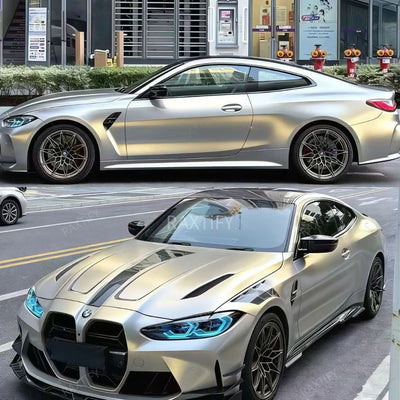
- BMW M4: $3,500–$5,500
- BMW 3 Series: $2,500–$4,000
- BMW 5 Series: $3,000–$4,500
- BMW X5: $4,000–$6,000
- Chevrolet Corvette (C7 / C8): $4,500–$7,000
- Chevrolet Silverado: $3,500–$5,500
- Chevrolet Camaro: $3,000–$4,500
- Chevrolet Camaro ZL1: $4,000–$6,000
- Dodge Challenger: $3,200–$4,800
- Dodge Charger: $3,500–$5,000
- Ford Mustang: $3,000–$4,500
- Ford F-150: $3,000–$5,000
- Ford Bronco: $3,500–$5,500
- Ford Explorer: $3,500–$5,000
- Honda Civic: $2,000–$3,500
- Honda Accord: $2,800–$3,800
- Honda CR-V: $3,500–$4,800
- Infiniti Q50: $3,000–$4,500
- Infiniti Q60: $3,200–$4,800
- Jeep Wrangler: $3,500–$4,500
- Jeep Grand Cherokee: $3,800–$5,500
- Lexus IS: $3,000–$4,500
- Lexus RC: $3,500–$5,000
- Mercedes-Benz C-Class: $2,800–$4,200
- Mercedes-Benz E-Class: $3,200–$4,800
- Mercedes-Benz AMG Models: $4,000–$6,500
- Nissan 350Z / 370Z: $3,000–$4,500
- Nissan GT-R: $5,000–$8,000
- Nissan Altima: $2,800–$3,800
- Subaru WRX: $3,000–$4,500
- Subaru BRZ: $2,800–$4,000
- Porsche 911: $4,500–$7,000
- Porsche Cayman / Boxster: $4,000–$6,000
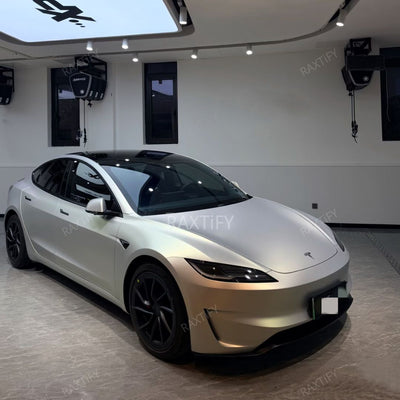
- Tesla Model 3: $3,000–$4,500
- Tesla Model Y: $3,500–$5,000
- Tesla Model S: $4,000–$6,000
- Tesla Model X: $4,500–$6,500
- Toyota Supra: $4,000–$5,500
- Toyota Camry: $2,800–$3,500
- Toyota Corolla: $2,000–$3,000
- Toyota Tacoma: $3,000–$4,500
- Toyota Tundra: $3,500–$5,500
These are prices that are professional instalment in the US market, with quality vinyl wraps. Accurate prices may fluctuate depending on the experience of the installer, the type of vinyl used, the condition of the vehicle and even the removal of different parts of the car such as bumpers and mirrors and even trim during the installation.

What Factors Affect the Cost of a Car Wrap?
Vinyl wrapping a car is not a fixed price. According to actual installs in the US, the prices could change greatly depending on a number of major attributes that directly influence the material usage, time of labor and also the complexity of installation.
1. Vehicle Size and Body Complexity
Big cars need more vinyl, and more time, but it is not only their size. Complexity of the body is of no less significance. Autos that have aggressive curves, wide fenders, deep bumpers, vents, spoilers, or jagged body lines require more time to wrap around and allow little room of error.
Considering the example of a small sports car with complicated lines, the wrap of it may be more expensive than a large sedan with flat surfaces. Stretching, trimming, and repositioning also add to waste of materials along with complex designs.
2. Type and Quality of Vinyl Wrap
Vinyl wraps are not of the same price. The more affordable is entry level cast vinyl, whereas higher quality finishes like satin, matte, metallic, color-shift or forged carbon are expensive and may be difficult to install.
Vinyl of higher quality usually includes:
- Improved curvature conformability.
- Better color stability and durability.
- Less finish with less imperfection.
These advantages tend to be accompanied by increased material prices and postponed time of installation which directly influences the ultimate price.
3. Professional Installation vs DIY
Professional installation costs more at the start, but it comes in with experience, the right tools, surface preparation, and warranty. Installers are familiar with the trick of working with such problem areas as bumpers, mirrors, door handles, and edges without ruining the vinyl.
DIY wrapping might seem less expensive but in the real world, the expenses are prone to go up because of:
- Waste of materials because of errors.
- Repurchase of faulty panels in the form of vinyl.
- Longer installation time
- Reduced life span due to wrong stretching or sticking.
In the case of a complex vehicle, professional installation can prove to be a cheaper option in the long run.
4. Labor Rates and Location
The cost of labor is unevenly distributed in the US. Big cities and regions that are more expensive to operate tend to demand more money to install professional wraps. Experience of installers is also a factor to consider, as the shops with reputed businesses and steady performance tend to be charged higher.
In most of these situations, labor constitutes a big part of total wrap cost, particularly on the vehicles that need some additional disassembly or extensive finishing work.
5. Surface Condition and Prep Work
Wrap cost is directly proportional to the state of the paint on your vehicle. Good, clean paint in good condition enables the installer work speedy, whereas any problem such as peeling clear coat, rust, severe scratches or adhesive residue will demand more preparation work. Extra prep may include:
- Paint correction or sanding
- Removing old vinyl or decals
- Washing and grease cleaning problem areas.
The longer time spent on the prep the more labor, the higher the cost at the expense of a clean and long lasting wrap- on.
How Much Does DIY Vinyl Wrapping Cost?
The DIY wrapping of vinyl appears to be cheaper on paper, yet the actual result is usually steeper than the majority of individuals have projected to pay, particularly when it comes to first-time usage. According to the results we have experienced in the real life in the US, a DIY wrap generally costs between 800 and 2000 dollars depending on the size of the vehicle, the quality of the vinyl and the number of errors that occur in the process.
Typical DIY Vinyl Wrap Costs
- Vinyl material: $500–$1,200
- Materials and equipment (heat gun, squeegees, blades, magnets, cleaners): $150-300.
- Other miscellaneous extras (knifeless tape, edge sealers, gloves): $50-150.
On the surface, DIY is much cheaper than professional installation. This is however where most individuals undervalue the actual price.
The Hidden Cost of DIY Mistakes (What Most Guides Don’t Tell You)
Wrapping DIY is not easy to learn. Typical costs incurred problems are:
Material waste
Large areas of vinyl are usually destroyed by misalignment, overstretching or contamination. Waste of 20- 40 percent of the material is common among the beginners, particularly when it comes to bumpers and complicated panels.
Bubbles and wrinkles
Bubbles may be seen or permanent wrinkles may form due to trapped air or uneven pressure or improper heat control which may need to be removed and rewrapped as a panel.
Edge lifting and peeling
Poor stretching or lack of adequate post-heating makes the edges and corners to raise out in a few weeks or even days, which necessitates reinstallation.
Re-buying vinyl
When a roll gets too small you usually have to purchase another roll, only this time with a different batch and this will result in a mismatch of color as well as cause extra expense.
Realistic DIY Cost Expectation
Once the cost of the material waste, failed panels, and rewraps are included, a first-time DIY project will with an approximation of 1,200-2,500 dollars still cost less, yet achieving a lower life cycle and less reliable finish as compared to a professional wrap.

When DIY Makes Sense—and When It Doesn’t
DIY wrapping of vins should be logical when it comes to smaller cars with simple body lines, partial or accent wraps or those who already have practical experience in installing the wrap themselves.
Nonetheless, DIY wrapping is associated with learning curve. In case you are planning to do it yourself, it is important to know the entire process, including surface preparation and post heating. To see a step-by-step, in-depth explanation of it, please check our full guide on how to wrap a car by yourself before you invest in the venture.
In vehicles of larger size, with complex body designs or excellent finish in premiumed vinyls, professional installation is usually cheaper as well as much less risky over time.
Cost of Partial Vinyl Wraps
The partial car wrap is a good alternative to full car wrap where the owner wants a visual upgrade but cannot afford the full wrap. According to actual installations in the US, partial wraps are cheaper in terms of their initial investment, quicker to install, and there is less wastage of materials, yet they still give a very visible change of style.
Roof Wrap Cost
In the US, a vinyl wrap of the roof costs around $300 - $600 with a professional worker. The pricing is based on the size of the roof (larger rooms are more expensive), availability of sunroof or roof rails in the vehicle, and the extent of trimming that is necessary on the edge. The most popular finishes on roof wraps include gloss black, satin black, and carbon fiber which provide a strong contrast with the least material consumption.
Hood Wrap Cost
Depending on its professionally installed hood wrap is between $250 and $500. Flat or gently curved models are cheaper whereas hoods with vents, scoops or aggressive lines consume more labor time and waste materials. Hood wraps can be applied to style or to reduce glare or to protect paint on high impact areas.
Mirror and Accent Wrap Cost
Coating mirrors, trim pieces or small accent areas usually cost between $100 and 300, depending on the number and complexity. Side mirrors are pretentious with high curves and low stretch abilities. Accent wraps Window dressings, door handles, spoilers or badges are also known as accent wraps often installed to complete or incomplete a wrap to keep the final cost down.

Commercial Wrap Cost
When it comes to custom designs or wraps designed for commercial use e.g. advertisement purposes, the cost of installation can vary largely based on several factors. A full wrap with a custom design is more complex and requires more materials and more prep time so will be more expensive. A basic commercial wrap can start on the low side, like $3,000, whereas a complex custom wrap could price over $10,000. Therefore your design and use for which it is intended should provide for a good estimate of the costs for installation.
Is Vinyl Wrapping Worth the Cost?
To a good majority of car owners in the US, the price of a vinyl wrapping is justified - but this is all dependent on your car usage, and the future expectations. None of them has a universal solution but actual experience of the process can make it easier to decide. Vinyl wrapping would most likely be reasonable to:
Daily drivers
A wrap gives it a new appearance whilst shielding the original paint against UV rays, light scratches and road debris. The factory paint has been found to be in better condition when stripped compared to unwrapped cars.
Leased vehicles
The vinyl wraps can be customized since they can be fully reversed and therefore, the wrap does not change the car permanently. This renders wraps an ideal option among leaseholders wishing to have a special appearance without facing the risk of reselling or return charges.
Style-focused builds
Wraps enable one to get finishes that are very costly or unattainable with paint, like satin, matte, color-shift, or textured.
Budget-conscious projects
Vinyl wrapping provides high visual impact compared to high-quality custom paint jobs at a lower initial outlay, particularly with standard or mid-range vinyl.
Nevertheless, the wrapping with vinyl is not the most appropriate option when:
- You desire a lasting, life long finish.
- The car is in bad paint state which needs a lot of preparation.
- There is a lot of exposure of the car to extreme conditions without much care.
As a rule, the application of vinyl wrapping gives a good combination of price, versatility, and look. Installed right and maintained well it provides an effective substitute to paint- without the commitment and cost of a complete repaint.
How Long Does a Vinyl Wrap Last?
An average vinyl car wrap has a lifespan of between 2 and 3 years when used in the US under normal driving and weather conditions. This is the reality of practical use, rather than laboratory results, and presupposes that the wrap is installed and in working condition at a minimum. With that said, the length of a wrap is very much dependent on how the vehicle is utilized and how it is maintained.
How to Extend the Life of a Vinyl Wrap
Park in the shadowed or covered places.
The largest contributor to the aging of vinyl is prolonged exposure to the sun. The amount of UV damage and fading of colors is greatly mitigated by parking in a garage or a shaded structure.
Wash gently and regularly
Mild soap should be used to wash hands. Automatic car washes should be avoided particularly those with stiff brushes that will scratch the surface and lift edges.
Avoid harsh chemicals
Powerful cleaners, oil-based products, and abrasive instruments may ruin the surface of the vinyl and loosen the bond with time.
Dry the wrap after washing
Leaving water to rest at edges and seams raises the possibility of lift-off. The microfiber towel is useful in eliminating the presence of moisture.
Address edge lifting early
Small lifted edges may be addressed in a short amount of time. Leaving them unattended enables dirt and water to creep under thus reducing the life span of the wrap.
Follow post-install care guidelines
Do not wash the vehicle within 48 hours after installation as this will help the vehicle to be completely cured.
When well maintained, the life expectancy of many vinyl wraps is 3 years or maybe a little bit more, and in poor condition or when exposed to the sun, the life expectancy is much shorter.

The Cost of Wrap Materials
Cost of vinyl wrap material will depend primarily on the type of finish used since there are a range of finishes that apply to the material which have varying film structures, pigments, and manufacturing techniques. With typical full-roll prices in the US market, here is a definite break down of what you should anticipate to spend- and what makes each finish unique.
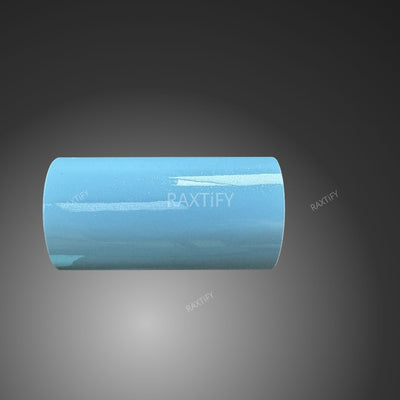
Gloss Vinyl Wrap: $500–$600
The gloss vinyl is intended to resemble the appearance of factory paint and has a smooth reflective finish that can be applied to most vehicles. It is also one of the most preferred options because it has a ratio of being cheap, easy to install, and has a clean look.
Matte Vinyl Wrap: $500–$600
Creating a matte vinyl provides a flat, yet non-reflective surface that offers cars a sleek and low profile appearance. Although the matte finishes cost in much the same way as gloss, they are more easily prone to dirt, fingerprints and scratches, therefore where the matte is not well maintained, it will show up over time.
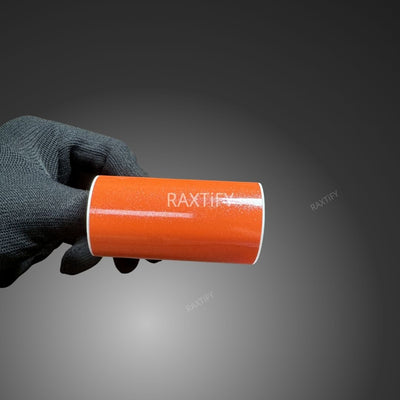
Metallic Vinyl Wrap: $600–$700
Metallic vinyl incorporates some minute metal flakes or pearl which adds depth and glitter to the underwriting. They are more aesthetically dynamic than regular gloss or matte, but add complexity and raise the cost of the material and the installation work.
Color Shift Vinyl Wrap: $700–$900
Color shift (chameleon) vinyl The color shifts based on lighting and viewing angle. This effect demands more high-end film layering and pigments and is therefore more costly and difficult to install, with any stretching distorting the final effect.
Chrome Vinyl Wrap: $700–$900
Chrome vinyl is very reflective, just like a mirror, and it is very conspicuous. It is also among the hardest materials to install because it has little stretch and is sensitive to handling, and the reason why chrome wraps are expensive to install is that the labor costs associated with it become higher than the average.
Laser Vinyl Wrap: $600–$800
Holographic or prism like effects are holographic processes, which are highly responsive to light, used in laser vinyl. These films are usually more stiff and thick and thus need to be carefully installed in order to prevent distortion or disproportional outlines.

FAQs
Q: How much does a full wrap cost?
The average price of a professionally installed full vinyl wrap is 2000 to 5000 dollars in the US. The low end is commonly smaller vehicles with plain lines on their bodies; the high end can be a big automobile, or elaborate designs, or expensive vinyl finish.
Q: Is vinyl wrap cheaper than paint?
In most cases, yes. Vinyl wrapping is not as expensive as a good quality custom paint job. Simple paint jobs may be cheap, but a professional paint job with good preparation, finishing and sealant clear costs a lot more than a complete vinyl wrap.
Q: Does wrapping damage paint?
No - vinyl wrapping does not harm factory paint when it is put on and taken off. As a matter of fact, the wraps tend to cover the original paint against UV as well as minor damages. The problems can only arise when the paint has been damaged in the first place or in case of improper removal.
Q: What is the duration of a vinyl wrap?
A vinyl wrap, on average, has a life of 2-3 years in the real world environment. It can be increased in life by proper installation, washing it lightly and avoiding exposure to the sun.
Q: Can I wrap my car myself?
Yes, however, there are risks of DIY wrapping. Although it can save on initial cost, novices will tend to encounter waste of materials, bubbles, wrinkles, and edges lifting which may end up being very costly and less durable. Professional installation is typically the safest place to go with more complicated cars or full wraps.

Conclusion
Vinyl wrapping cost per car varies depending on the various factors; such as; the size of the vehicle, the type of vinyl, mode of installation, and longevity of the wrap, however, to the majority of car drivers in the US, vinyl wrapping provides a good combination of affordability and options, as well as the appearance.
Vinyl wraps are cheaper (usually between 2,000 and 5,000) than professional paint and can be removed, but with a wide range of offered colors and finishes, they still give the opportunity to customize and have a unique look. Wrapping can be a viable investment that is very convenient in the case of budget-friendly projects, everyday drivers, and leased cars.
Finally, the ultimate decision would be on how you utilize your car, duration of retention and finish of car level you anticipate. Real life expenses such as knowing the true cost of things and not the advertised cost can assist in making a decision that would provide value in the long run.