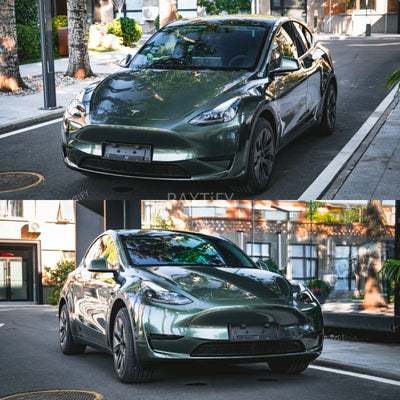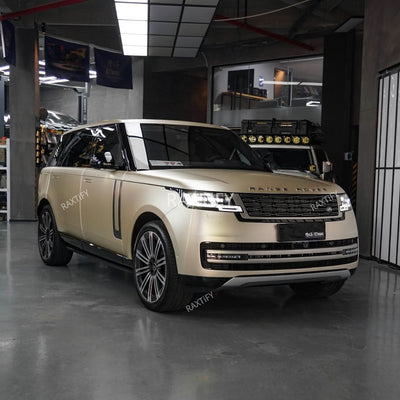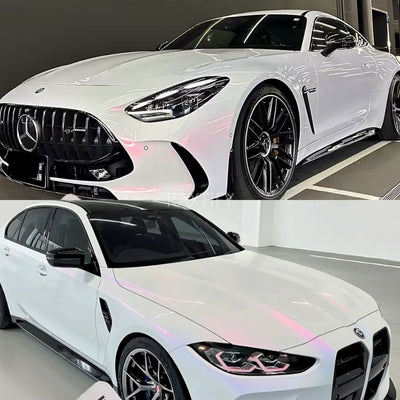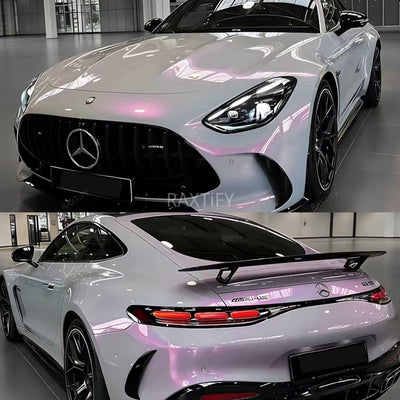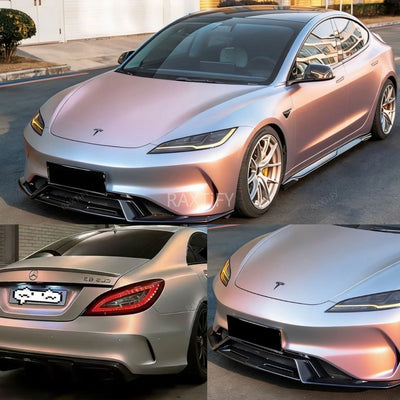


If you want to give your vehicle’s interior a fresh, distinctive look, a vinyl dash wrap is one of the easiest and most effective upgrades you can make. A high-quality dash wrap instantly transforms your dashboard with a sleek, modern finish—while also protecting it from everyday scratches, scuffs, fading, and wear.
Unlike a full repaint or interior replacement, vinyl dash wraps offer a customizable, affordable, and reversible way to personalize your car. Whether you want a clean matte finish, a sporty carbon-fiber texture, or a bold color shift effect, dash wraps allow you to express your style while adding practical protection.
From our experience helping thousands of customers customize their interiors, vinyl dash wraps consistently deliver two major advantages:
- They elevate the appearance of the cabin
- They protect high-use areas that would otherwise wear down over time
At RAXTiFY, our vinyl dash wraps are designed with durability, flexibility, and ease of installation in mind. Each wrap works seamlessly on dashboards, center consoles, trim panels, and other interior surfaces—allowing you to create a refined, premium look without the cost of professional refurbishment. With the right material and proper installation, your interior gains a luxurious finish that stands out from the crowd.
Best Vinyl Wrap Materials and Colors for Dashboards
Choosing the right vinyl material is essential for achieving a clean, durable, and stylish dashboard finish. Interior surfaces experience heat, sunlight, and frequent touch, so not every vinyl wrap performs equally well. Below are the most recommended vinyl types—based on durability, texture, heat resistance, and real installation results.
Carbon Fiber Vinyl
Carbon fiber is the top pick for dash wraps because it delivers a sporty, high-end appearance while offering excellent grip and durability.
Why it works well for dashboards:
- Heat-resistant and long-lasting
- Texture hides fingerprints and minor imperfections
- Premium, performance-oriented look
- Available in gloss, matte, and forged carbon patterns
Best for: sports cars, SUVs, trucks, and drivers wanting a modern, high-tech cabin feel.
Color Wraps (Gloss, Satin, or Chameleon)
While less common than textured wraps, some drivers prefer bold dashboard colors for show cars or themed interiors.
What they offer:
- Endless color options
- Perfect for artistic or show builds
- Can be paired with other interior accents
Caution: avoid highly reflective gloss colors near the windshield to minimize glare.
What Are The Benefits Of Dash Vinyl Wraps?
Vinyl dash wraps offer one of the most cost-effective ways to refresh, protect, and personalize your vehicle’s interior. Whether your goal is better style, improved comfort, or added protection for high-touch areas, dash wraps deliver impressive value without the high cost of interior replacement or repainting. From our experience helping thousands of drivers customize their cabins, these are the key advantages of using a high-quality vinyl dash wrap.

Easy to Apply and Maintain
Modern vinyl dash wraps are engineered for simple, user-friendly installation—even on curved or textured dashboards. With proper tools and heat, a wrap can be installed in under an hour, leaving your interior looking clean, polished, and professionally finished.
Maintenance is just as easy:
- Wipe clean with a mild interior cleaner
- No oiling, conditioning, or re-coating required
- Resistant to fingerprints and everyday dirt
Quality vinyl films include UV-resistant coatings, which help minimize fading over time. For vehicles parked in direct sunlight daily, rotating or refreshing heavily exposed sections every few years keeps the interior looking new.
Affordable and Flexible Price Options
Compared to interior repainting or replacing dashboard panels, vinyl wraps are significantly more budget-friendly. Your cost typically depends on:
Dashboard size: Sedans may require one sheet; larger SUVs may need multiple pieces.
Material type: Standard matte, carbon fiber, brushed metal, forged carbon, etc.
Complexity of the surface: Deeper curves, vents, and recessed areas require more precision.
DIY vs professional installation
Most drivers can wrap their dashboard for a fraction of the cost of traditional interior customization—making vinyl one of the most economical upgrades available.
Security and High-Quality Material Protection
High-grade automotive vinyl is designed to be:
- Durable
- Flexible
- Heat-resistant
- Smooth and non-sticky
- Easy to clean
Strong adhesive backing keeps the wrap firmly in place without peeling, lifting, or bubbling during normal use—when installed correctly.
Unlike rubberized coatings or low-grade plastics, vinyl does not become oily, gummy, or sticky over time. This makes it ideal for high-contact interior surfaces that require both visual appeal and daily practicality.
Built to Last: Outstanding Durability
Premium vinyl dash wraps are engineered to withstand:
- Heat cycles from sun exposure
- Cooler temperatures during winter
- Everyday wear-and-tear from driving
- UV exposure that causes fading in factory dashboards
When properly installed and cared for, a vinyl dash wrap can last 2–3 years or longer while maintaining its appearance and structural integrity.
This combination of durability and visual appeal makes vinyl an excellent material for long-term dash protection.
Protect Your Interior with Style
Dashboards endure constant exposure to sunlight, dust, and physical contact. Over time, this leads to cracking, fading, and discoloration. A vinyl dash wrap provides:
- A protective barrier against UV damage
- Extra resistance to surface scratches
- Shielding from dirt, debris, and minor abrasions
By adding a wrap, you preserve your dashboard’s original surface while upgrading its appearance—creating a stylish, functional enhancement that blends seamlessly with the rest of your interior.

Endless Customization Options
One of the biggest advantages of vinyl is the sheer variety of finishes available. With countless colors, textures, and patterns, you can create any look—from subtle OEM-style refinements to bold, statement-making designs. Popular choices include:
- Matte black
- Carbon fiber (gloss, matte, forged)
- Brushed metal
- Leather-texture vinyl
- Gloss color options
- Color-shift / chameleon styles
Vinyl allows you to achieve a premium, high-end interior appearance without spending thousands on real materials like leather, aluminum, or carbon fiber.
Reduces Heat Build-Up
Dash wraps help reduce interior heat by limiting the dashboard’s ability to absorb and radiate heat through the cabin. Darker and textured wraps often reflect sunlight more effectively than worn or faded dashboards. This contributes to:
- A cooler cabin on hot days
- Less glare from the windshield
- A more comfortable driving experience
Plus, the smooth vinyl surface makes cleaning effortless—just wipe and go.
UV Ray Protection
UV exposure is one of the leading causes of dashboard cracking and fading. Vinyl wraps act as a physical barrier that blocks a significant portion of harmful UV rays, helping your dashboard stay vibrant and protected over time.
By reducing UV penetration, a dash wrap helps maintain the “like-new” appearance of your interior—even in hot climates where sun damage is common.
How Much Does It Cost To Wrap A Dashboard?
Wrapping a dashboard is one of the most affordable interior upgrades you can make. In the U.S., the cost to wrap a dashboard typically ranges from $150 to $400, depending on the size of the vehicle, the number of panels being wrapped, and the type of vinyl you choose. Here is a general breakdown:
- Small cars (compact sedans / coupes): $150–$200 (Usually requires one sheet and minimal trimming)
- Midsize vehicles (SUVs, crossovers): $200–$300 (Multiple pieces, more curves and panels)
- Large SUVs, trucks, or complex dashboards: $300–$400+ (Dashboards with deep curves, vents, large trim sections, or multi-piece panels)
These estimates apply to DIY installations. If you choose professional installation, expect to pay an additional $100–$250 for labor depending on your location and the complexity of your dashboard.
How To Apply Vinyl Dash Wraps?
Installing a vinyl dash wrap is a straightforward process when you follow the right steps and use proper tools. Heat—applied through a heat gun or hair dryer—makes the film flexible enough to contour around curves, edges, and textured surfaces. Some installers also use a light adhesive promoter on tricky sections, but most high-quality vinyl dash wraps already include the necessary tack for a clean installation.
For best results, install vinyl in a controlled temperature environment (ideally 65°F–80°F). Extreme heat or cold can affect adhesive performance and may shorten the lifespan of the wrap. Avoid installing near active heaters, AC vents, or in direct sunlight, as excessive heat can stretch the vinyl or cause premature lifting.

Tools You Need Before Installing Dash Wraps
1. Heat Gun or Hair Dryer
Heat softens the vinyl and allows it to contour around curves, edges, and textured areas.
A heat gun offers more control
A hair dryer works for beginners or lighter materials
Avoid overheating to prevent overstretching or weakening the adhesive.
2. Squeegee or Felt-Edged Card
A vinyl squeegee helps push out air bubbles and smooth the material evenly across the dashboard.
Felt-edged cards prevent scratching on textured or matte finishes.
3. Precision Cutting Tools (Vinyl Knife or Craft Blade)
Used to trim excess material cleanly around vents, seams, and tight corners. Choose a blade that is:
Sharp
Easy to control
Able to create clean cuts without tearing
Safety Tip: Always cut away from the vinyl surface to avoid accidental scoring.
4. Knifeless Tape (Optional but Highly Recommended)
Great for creating clean, precise cuts without using a blade near delicate surfaces. Perfect for dashboards with complex curves or multi-piece layouts.
5. Isopropyl Alcohol (IPA) & Microfiber Cloths
This cleaning combo removes oils, dust, and contaminants that can prevent proper adhesion.
IPA evaporates quickly and leaves no residue—ideal for prepping interior surfaces.
6. Plastic Scraper or Adhesive Remover
Useful for removing old adhesive, stickers, or residue without damaging the dashboard.
Choose plastic, not metal, to prevent scratches.
7. Adhesion Promoter (Optional)
Helps the vinyl stick more securely on:
- Deep curves
- Edges
- Textured plastic surfaces
Use sparingly—too much can affect removability later.
8. Gloves (Cotton or Anti-Static Vinyl Gloves)
Keeps oils from your hands off the adhesive surface and helps you glide smoothly over the vinyl during installation.
9. Masking Tape
Helps temporarily hold vinyl in place while positioning and aligning before applying heat.
10. Tack Cloth (Optional)
Removes fine dust particles after cleaning, ensuring the vinyl sits on a perfectly clean surface.
Step-by-Step Application Process
1. Remove Old Residue
Remove any old adhesive, tape residue, or deteriorated trim material using a plastic scraper or adhesive remover. Avoid using sharp metal blades on the dashboard, as they can leave permanent scratches. A clean, residue-free foundation is crucial for proper bonding.
2. Clean the Dashboard Thoroughly
Clean the surface using a microfiber cloth and isopropyl alcohol (IPA). This removes oils, dust, and contaminants that can interfere with adhesion. Avoid using water-based cleaners—they can leave moisture trapped under the film, affecting long-term durability.
Professional Tip: Use a tack cloth afterward to remove any remaining fine dust for a perfect surface.
3. Position the Vinyl Dash Wrap
Lay the vinyl loosely over the dashboard to check coverage. Allow a few extra inches of material on all sides to account for stretching, trimming, and wrapping around edges. Make sure the alignment follows natural contours and that patterns (like carbon fiber) run in a consistent direction for a professional look.
4. Apply Adhesive (Optional)
If your dashboard has deep curves, textured plastics, or small edges that are prone to lifting, you may apply a vinyl adhesion promoter sparingly along those trouble areas. Use only a thin, controlled layer—too much can affect removability later.
5. Smooth Out the Material
Start pressing the vinyl from the center outward, applying gentle heat to make the wrap flexible. Use a squeegee, felt-edged card, or plastic scraper to remove air bubbles as you move outward. Work in small sections:
- Heat → Stretch slightly → Press → Squeegee smooth
- Repeat around curves and recessed areas
Avoid overstretching, which can distort patterns or reduce the vinyl’s durability.
6. Allow Adhesion Time (Curing Phase)
Let the wrap sit undisturbed for 8–12 hours, ideally overnight, so the adhesive can fully bond to the dashboard surface. If possible, keep the vehicle in a garage or shaded area during curing to avoid premature lifting, bubbling, or stretching.
How Do You Remove The Vinyl Wrap From The Car Interior?
Removing a vinyl dash wrap is straightforward when you use the right methods and tools. Without proper technique, it’s easy to scratch interior plastics, leave behind stubborn adhesive, or even damage delicate dashboard components. The following step-by-step process will help you remove interior vinyl safely, efficiently, and with minimal risk to your vehicle.

1. Prepare the Right Tools
Before starting, gather the tools you’ll need:
- Heat gun or hair dryer (to soften the adhesive)
- Plastic scraper or squeegee (to lift edges safely)
- Microfiber cloths
- Isopropyl alcohol or adhesive remover
A heat source is essential because it loosens the adhesive, allowing the vinyl to release smoothly without tearing or leaving residue behind.
2. Warm Up the Vinyl
- Gently heat the vinyl wrap using a heat gun or hair dryer.
- Move the heat in slow, circular motions and start from one corner.
- Avoid holding heat in one spot, as this can warp or discolor the dashboard plastic.
- The goal is to make the vinyl soft and flexible, not hot or melting.
3. Peel the Vinyl Carefully
Once the adhesive softens, begin peeling the vinyl back slowly and evenly. Tips for safe removal:
- Pull at a 45–60 degree angle instead of straight up
- Keep heat applied as needed for stubborn areas
- Be extra careful around vents, buttons, and textured areas
Patience is key. Rushing the process could tear the vinyl, leaving behind more residue and increasing the risk of damaging dashboard components.
4. Handle Edges with Precision
Edges, corners, and recessed sections are often the most challenging.
- Reheat these areas lightly to loosen the adhesive
- Use a plastic scraper—not metal—to lift the edge safely
- Avoid pulling too hard, as interior trim clips and thin plastic components can crack
A careful approach here ensures a clean removal without damaging the underlying surface.
5. Clean Any Residue
After the vinyl is removed, some adhesive may remain. Use:
- Isopropyl alcohol (IPA)
- or a non-aggressive automotive adhesive remover
Apply the solution to a microfiber cloth and rub gently in circular motions. This prevents scratches or discoloration and restores a clean, smooth finish.
6. Seek Professional Guidance If Uncertain
If your wrap has been installed for many years, is heavily baked by the sun, or feels difficult to remove, consider consulting a professional installer. Experienced technicians have the right tools and methods to remove old vinyl without damaging your dashboard or interior trim.
FAQs:
Q1: What is a vinyl dash wrap?
A: A vinyl dash wrap is an automotive-grade film applied to your dashboard to enhance its appearance and protect the surface from scratches, fading, and everyday wear. It offers an affordable alternative to painting or replacing dashboard components.
Q2: Can I install a vinyl dash wrap on my own?
A: Yes. With the right tools, proper preparation, and patience, most drivers can install a dash wrap themselves. A heat gun, squeegee, and clean working area make the process much easier. Beginners may find practice on a small panel helpful before wrapping the entire dash.
Q3: Are vinyl dash wraps durable?
A: High-quality vinyl dash wraps—like those offered by RAXTiFY—are designed to be scratch-resistant, heat-tolerant, and long-lasting. With proper installation and care, they can maintain their appearance for several years.
Q4: Will a vinyl dash wrap damage my dashboard?
A: No. When installed and removed correctly, vinyl dash wraps will not damage the underlying dashboard. They are designed to adhere securely without permanently altering or staining interior plastics.
Q5: Do vinyl dash wraps come in different colors or textures?
A: Absolutely. Dash wraps are available in a wide range of colors, patterns, and textures, including matte, gloss, carbon fiber, brushed metal, forged carbon, leather-texture finishes, and more. This allows you to fully customize your interior to match your preferred style.
Q6: How long does a vinyl dash wrap last?
A6: Most high-quality wraps last 2–3 years depending on sun exposure, material type, and maintenance. Vehicles stored indoors typically see even longer lifespan.
Q7: Can dashboard vinyl withstand heat and sunlight?
A7: Yes. Automotive-grade vinyl is designed to handle heat cycles and UV exposure. However, extreme or prolonged direct sunlight can shorten lifespan, so choosing a UV-protected film is recommended.
Q8: Can I remove the dash wrap later if I change styles?
A8: Yes—vinyl is fully removable. When heated properly and peeled carefully, it comes off cleanly without harming the dashboard surface. This makes it ideal for drivers who like changing interior styles.
Final Words
Vinyl dash wraps offer one of the most effective ways to refresh and personalize your vehicle’s interior without the high cost of repainting or replacing dashboard components. They not only elevate the appearance of your cabin but also protect the dashboard from scratches, fading, and daily wear.
After working with vinyl on multiple vehicles, we’ve found that a clean surface and careful, step-by-step installation make all the difference. When applied properly, the wrap conforms smoothly to the dashboard’s contours, leaving behind a sleek, professional finish with no bubbles or wrinkles.
Whether you're aiming for a subtle OEM-style upgrade or a bold, custom interior design, a vinyl dash wrap gives you the flexibility, affordability, and durability to transform your cabin with confidence.